
Last updated November 21, 2026
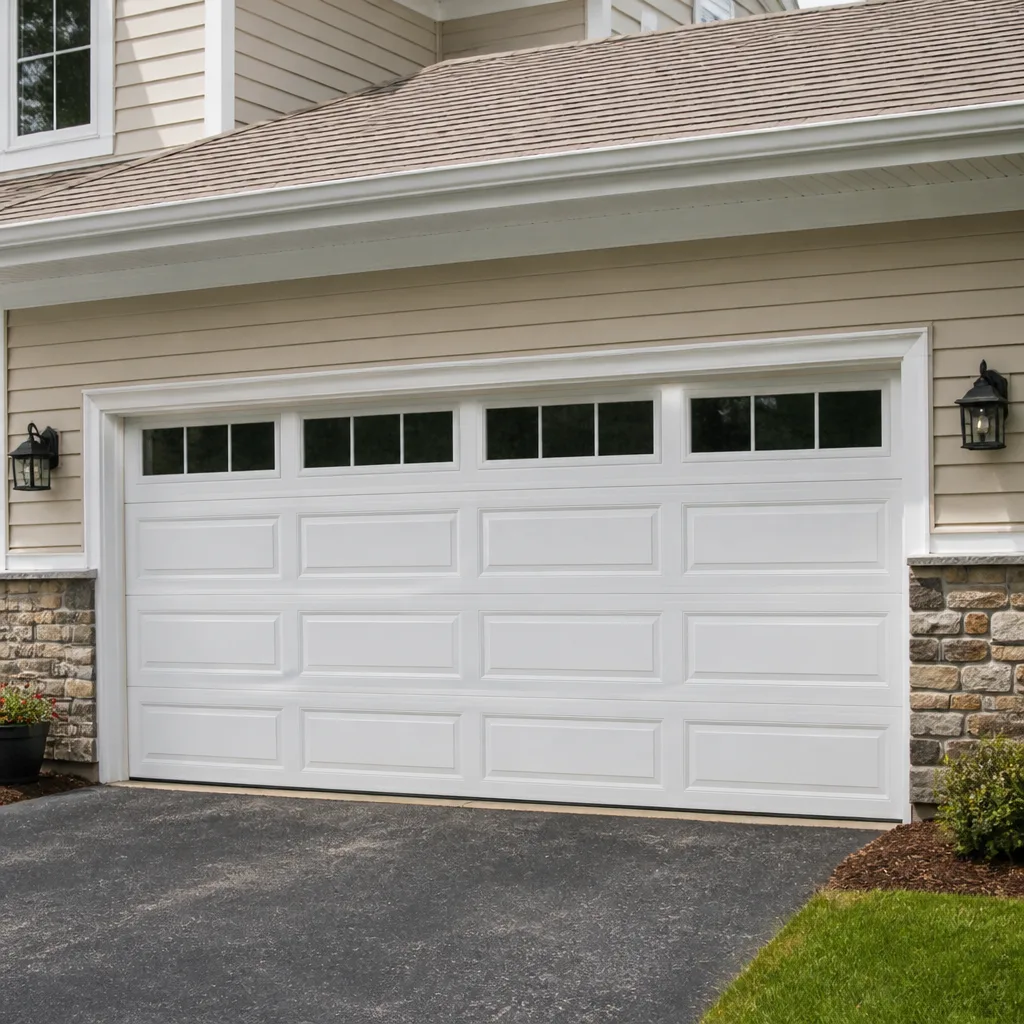 Raised-panel steel
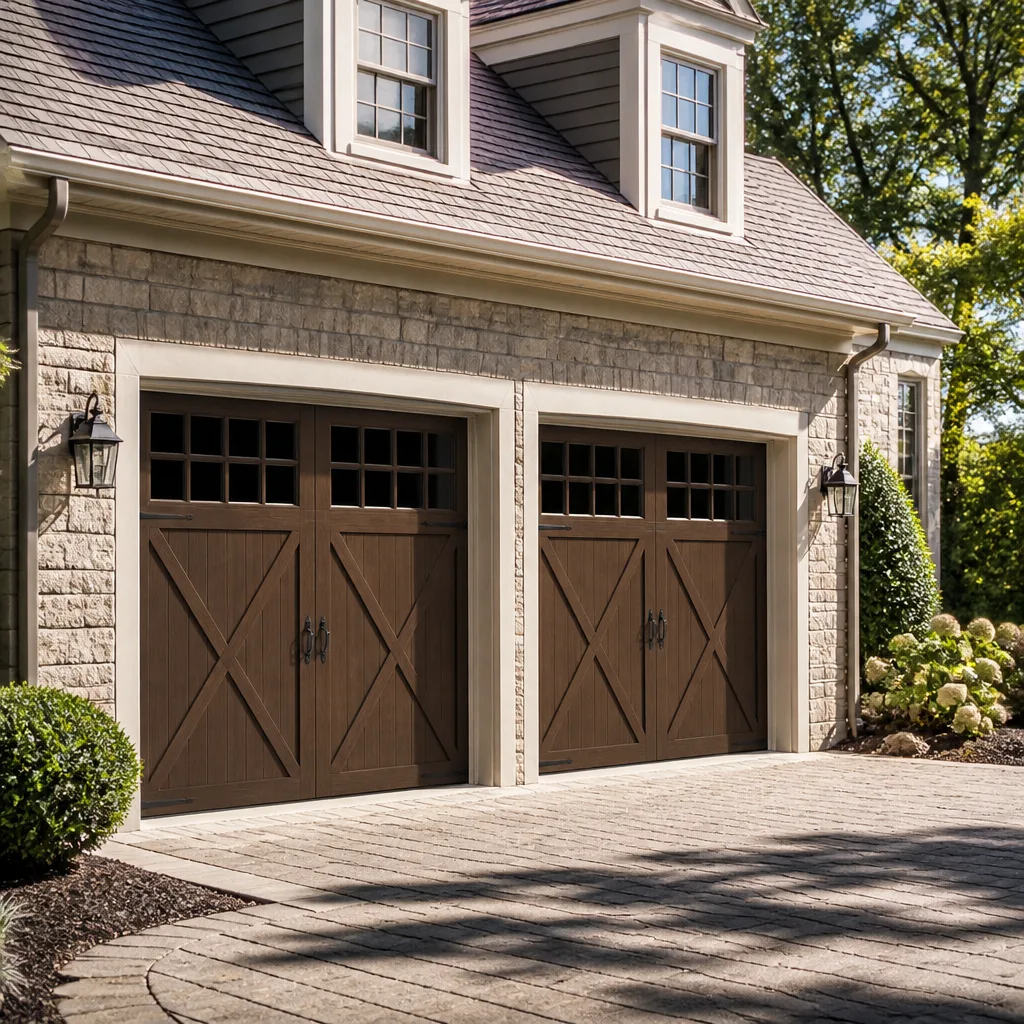 Carriage house
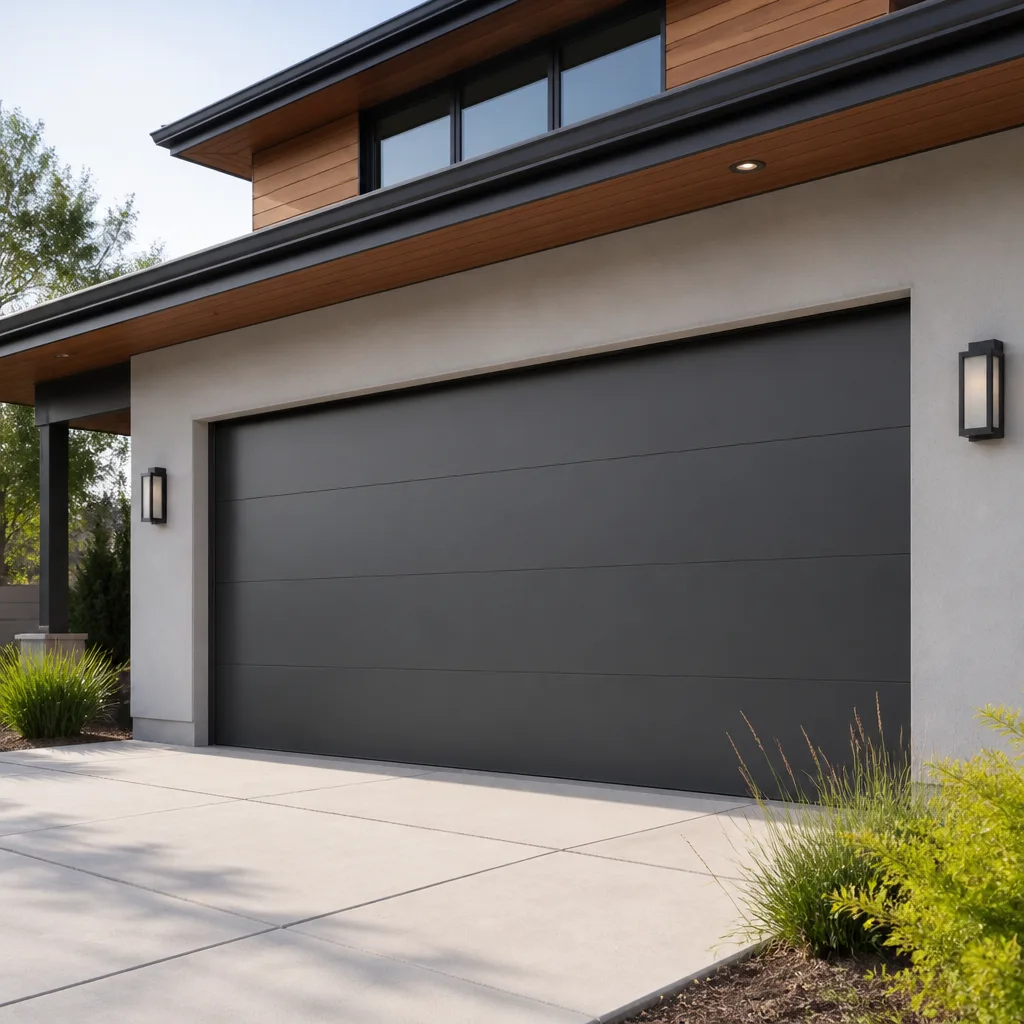 Modern flush
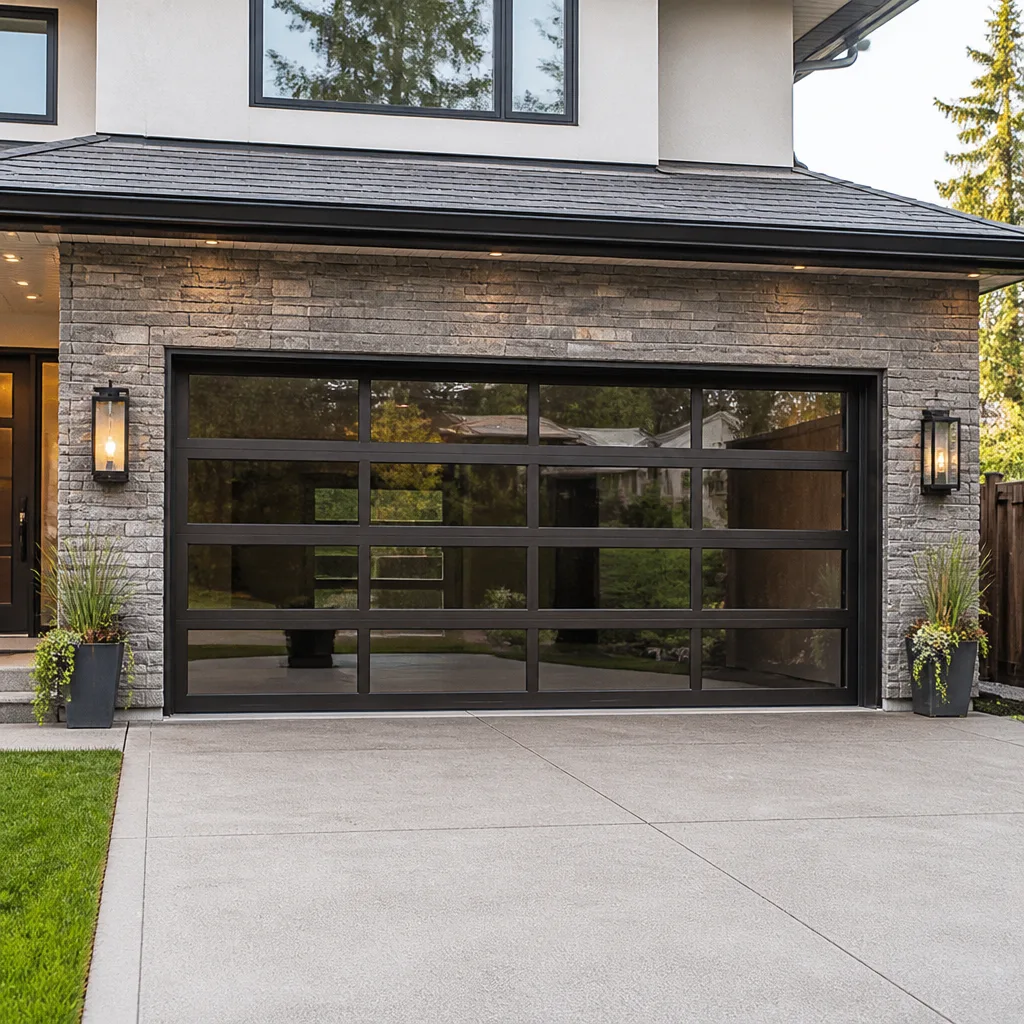 Full-view glass
 LiftMaster openers
 Chamberlain openers
Full 25-point door and opener safety check with every visit - springs, cables, rollers, tracks, and your LiftMaster or Chamberlain opener included
You get a price before we start. It does not change when the pro arrives.
Get your free estimateDIY vs Professional Garage Door: The Astoria Homeowner’s Decision Guide
Torsion springs store enough mechanical energy to throw a grown adult across a garage in under a second. That isn’t a liability disclaimer tacked onto the bottom of a service page – it’s physics, and it’s the one fact that separates garage door work from almost every other project a capable homeowner takes on. The rest of that energy is held by two thin cables and a pair of brackets, all of it sitting a few feet above your head in a space where you’ll be standing on a ladder. This guide is written from Astoria, for Astoria homeowners, and it draws a hard line where the line actually belongs: weatherstripping and sensor alignment you can handle; springs, cables, and track geometry you should not touch. By the end, you’ll know exactly which jobs are yours, which aren’t, and how to diagnose your own door so that any professional call you make is faster and cheaper.
Quick Answer
Roughly 80 percent of garage door problems are safe for a homeowner to handle, and 20 percent are genuinely dangerous. Weatherstripping, lubrication, sensor alignment, and visual inspection are DIY work. Torsion springs, extension springs, cables, and track replacement are not – the stored force and the alignment tolerances involved cause serious injuries every year, and a mistake there can turn a repair into a full door replacement. If your door won’t open, hangs crooked, or has a visible broken spring, call a professional. If it squeaks, rubs, or the safety sensor blinks, that’s yours to fix.
Styles & brands we work with
- Raised-panel steel
- Carriage house
- Modern flush
- Full-view glass
- LiftMaster openers
- Chamberlain openers
Table of Contents
- Why Springs Are a Different Category of Repair
- What’s Genuinely DIY-Safe on a Garage Door
- What Requires a Professional (And Why)
- What Spring-Replacement Videos Don’t Show You
- The Real Cost of a Failed DIY Attempt in Astoria
- What “Professional-Grade Parts” Actually Means
- How to Diagnose Your Door Before You Call
- How Astoria’s Buildings Shape What Fails
Why Springs Are a Different Category of Repair
A torsion spring on a standard single-car door carries several hundred pounds of lifting force, coiled into a steel bar above the door opening. An extension spring carries the same load along a track. Both are wound under tension, and both release that tension instantly if they fail during handling. That release is violent: it happens in under a second, it travels at speed, and the winding bars and cables involved become projectiles. There’s no analogy in plumbing or carpentry, because a failed plumbing joint gets your floor wet and a failed spring can break your arm.
This is why we treat spring work as its own service category rather than a line item on a general repair list. Torsion and extension spring replacement is the most technically demanding job in the trade, and the variables are unforgiving. Door weight, spring gauge, wire diameter, and the number of turns all have to match, or the door will bind, the opener will strain, and the spring will fail again early. A general handyman who “does doors on the side” usually gets the first part right and the second part wrong.
Astoria’s housing stock makes this more relevant than it might be elsewhere. Many homes here have older steel doors on tracks that were installed decades ago, and plenty of those have already had one spring replaced at some point. Mixing a new spring with an old one on a two-spring door is a common shortcut, and it produces a door that lifts unevenly and wears the opener faster. If your door has one spring that looks noticeably newer than the other, that’s worth flagging when you call.
If your spring has already broken – you’ll know, because the door weighs roughly what it did when the spring wasn’t there and won’t lift more than a few inches – that’s an urgent situation, not a weekend project. A suspended door in an Astoria home means a car trapped inside or a house left open. When the door won’t move, we do: garage door repair covers broken springs and the rest of the door.
What’s Genuinely DIY-Safe on a Garage Door
Several garage door jobs are safe, useful, and worth doing yourself. The key word is “genuinely” – plenty of DIY advice online describes jobs that are easy until the door lands on you. Here’s the list we’d hand a homeowner in Astoria, sorted by what’s actually safe.
- Weatherstripping replacement. The rubber seal along the bottom of the door and the foam strips down the sides. Old seals harden with age and let cold air and water in. This is a genuinely easy job: pull the old strip out of its channel, slide in the new one, and you’re done.
- Lubrication. A quick pass with a proper door-track lubricant on the rollers, hinges, and spring once or twice a year. Not grease and not WD-40 as a substitute – those attract grit and make the problem worse.
- Safety sensor alignment. Two small photoelectric eyes near the floor on both sides. If one is knocked out of position, the door won’t close, and it’s worth knowing how to check them. Look for a clean line of sight between them and a steady (not blinking) indicator light. Realign carefully, and if the wiring itself is damaged, stop.
- Visual inspection. Standing well back and looking at the door’s balance, the track alignment, and the straightness of the panels. Any sagging or wallowing is worth a call.
- Remote and keypad programming. Replacing a remote, resetting a keypad code, or pairing a new opener is usually a manual or an online step-by-step job, no tools needed.
- Wiping down the track. A dry cloth to clear built-up dust and grit. Not a solvent, which can strip the manufacture’s surface.
That’s it. Everything else – springs, cables, brackets, rollers under load, track straightening, panel replacement, opener motor work – is a professional job. Not because homeowners can’t learn, but because the consequence of a small error is not a redone job. It’s an injury.
One more thing worth knowing: if you can’t remember the last time your door was lubricated, that’s the best place to start. A well-lubed door runs quieter, lasts longer, and gives you a better feel for what “normal” sounds like. When something changes, you’ll catch it sooner.
What Requires a Professional (And Why)
This is where we don’t offer a both-sides answer. Some jobs are simply not homeowner work. The safety case is the first reason, and it’s the strongest. Here’s the list.
- Torsion spring replacement. Winding and unwinding a torsion spring is a two-bar sequence that requires the correct diameter bars, a firm grip, and the physical positioning to control the release if something goes wrong. The stored tension doesn’t warn you before it lets go.
- Extension spring replacement. Same principle, different geometry. Extension springs live above the horizontal tracks, and they can be replaced safely only by someone trained in how the balance system works.
- Cable replacement. Cables hold the door’s tension. A cable that fails under load whips. They can’t be replaced safely without unloading the spring first.
- Track replacement or realignment. Tracks need to be plumb, level, and parallel. Getting one out of true creates binding, and binding wears out the opener and the rollers. A bent track isn’t a bend-back-into-place job; it’s a replace job.
- Bottom-bracket and bracket work. The bottom bracket holds the cable. If it’s under tension, it’s a professional job, full stop.
- Panel replacement. Yes, it’s mostly unbolting, but the door has to be rebalanced afterward, or it will bind and the opener will strain.
- Opener motor replacement. Not the highest-risk job in isolation, but the motor is matched to the door’s weight and balance. If the opener is the wrong size or the door is out of balance, the new motor will fail too.
We offer garage door opener repair because the opener is often the first thing a homeowner notices failing, and the actual cause is usually elsewhere. A door that reverses on the way down, for example, is more often a sensor or a track problem than a failing motor. Diagnosing the whole system rather than just swapping the motor saves real money and time.
If none of the jobs above apply and you’re just after a new door, that’s a different conversation. A garage door installation is a measured, ordered, scheduled project. You’ll get a free measure and a written price before anything gets ordered.
What Spring-Replacement Videos Don’t Show You
There are hundreds of spring-replacement videos online, and they all show the same sequence: wind the bars, count the turns, swap the spring, wind it back. It looks simple. Three things sit outside the frame, and they’re the three things that cause injuries.
- Torque calculation. The turns count isn’t a fixed number. It depends on the wire diameter, the inside diameter, the length of the spring, and the door weight. A video made on a different door will give you a number that’s wrong for yours.
- Winding bar technique. The bar has to be the correct diameter for the spring’s set screws, seated fully into the cone, and held with the hand and body positioned so that if it slips, it isn’t pointing at your face or chest. Videos show the motion. They don’t show the safety positioning, and they can’t, because it depends on the door.
- Door weight variation. A door with insulation, glass panels, or an oversized width weighs more than the door in the tutorial. The spring has to match. A mismatched spring may work briefly and then fail.
We work on the brand you already have – including Clopay, Amarr, Wayne Dalton, and Craftsman doors – because the balance system varies by manufacturer. A spring from one door rarely fits cleanly on another brand’s hardware. The video doesn’t tell you that. A technician who’s seen the door in person can.
This is also why we won’t give step-by-step spring-replacement instructions over the phone or in an article. The risk isn’t theoretical, and a homeowner who follows a video with confidence isn’t safer than one who follows it with hesitation. We’d rather give you the diagnostic steps below and then do the repair.
The Real Cost of a Failed DIY Attempt in Astoria
Plenty of homeowners try the DIY route, and the majority of attempts on the low-risk jobs go fine. The expensive failures are concentrated on the high-risk jobs, and when they happen, four cost lines stack up – not one.
- The original repair didn’t go away. You still need the spring replaced. That’s the same job you started with.
- New damage. A spring that releases mid-wind can bend track, strip brackets, or bend the door’s panels. Now you need both a spring and a door repair.
- Unreusable parts. Springs, cables, and brackets that have been stressed or distorted don’t get reused. That’s new parts added onto the original job.
- The emergency call. A door stuck in the open position in an Astoria home leaves the garage open to the street. A door stuck closed traps the car. Both are emergency situations, and both need the door back in working order today, not next week.
We don’t price emergency work higher than scheduled work. The written estimate is the price, and the estimate sets it before any work starts. But an emergency call for a door that’s partially disassembled after a failed attempt can still be more expensive overall than the scheduled repair would have been, because there’s more to fix.
For the planned repairs, here’s the pricing we see in Astoria. These are typical estimates, not exact quotes – the written estimate sets the final price.
- Broken torsion spring replacement. Typically $180-$340 for one spring. A matched pair is usually replaced together; a pair runs roughly twice that.
- Broken extension spring replacement. Typically similar to torsion, sometimes slightly lower for a single spring.
- Cable replacement. Typically $150-$300, depending on whether one or both sides are involved.
- Track replacement. Typically $200-$450 per side, depending on track length and bracket condition.
- Opener repair (for example, a failed logic board or sensor harness). Typically $150-$350, typically less than a new opener.
- New opener installation. Typically $350-$700, depending on belt vs. chain, motor size, and door type.
- New single-car garage door. Typically $900-$2,200, depending on door style, insulation, and window options.
One thing worth stating directly: the price of the job is quoted and agreed before any work starts. You’ll see the amount in writing before a technician touches your door.
What “Professional-Grade Parts” Actually Means
Retail channels sell garage door hardware, and a lot of it is fine – for small things. The gap between retail and professional parts shows up on springs, cables, and roller assemblies, and it’s not a marketing distinction. It’s a difference in what’s stocked and what’s rated.
- Springs are matched, not picked from a bin. A technician carries springs by wire diameter, inside diameter, and length, and matches the spring to the door. A retail replacement spring is often a one-size approximation that may work briefly and then fail early.
- Cables are rated for a specific load. Retail cables are typically unrated. Professional cables are matched to the door and the spring system.
- Rollers have different bearing quality. Nylon rollers with sealed bearings are standard in professional service work; the cheapest retail rollers are steel and wear the track faster.
- Opener parts are brand-specific. Retail usually stocks universal parts. Technician stocks for the brand you actually have – LiftMaster, Chamberlain, Genie, Clopay, Amarr, Wayne Dalton, Craftsman, Raynor – which means the repair matches the system instead of approximating it.
That’s the practical side of “we work on the brand you already have.” It isn’t a slogan; it means the technician arriving is carrying the right part for your system, not a universal substitute.
For everyday maintenance – weatherstripping, lubricant, sensor alignment – the retail version is usually fine. For anything in the balance system, it’s not.
How to Diagnose Your Door Before You Call
The most useful thing a homeowner can do is watch and listen – not take anything apart. A clear description over the phone shortens the visit and often reduces the job to a single trip. Here’s how to diagnose, in order.
- Look at the door’s rest position. Standing well back, look at the horizontal line across the top. If it’s sagging or tilted, note which side.
- Try the door by hand with the opener disconnected. This is the pull cord on the opener carriage. With the door disconnected, lift it halfway and let it back down. It should move smoothly and stay put without help. If it falls or takes effort, the balance is off.
- Test the safety sensors. Wave a hand through the beam between the two sensors near the floor. The door should reverse or refuse to close, and the sensor lights should show one steady, one solid. A blinking light means misalignment or a fault.
- Listen for the sound. Squeal at the start of a cycle is usually rollers or hinges needing lubricant. A grinding noise at the opener is usually gear wear inside the motor. A bang or clunk when the door hits the floor is usually a spring or balance issue.
- Check the spring visually. On a torsion spring, look at the spring above the door for a visible gap or a visibly separated coil. On an extension spring, look for a gap in the spring. A visible break is a stop point – don’t run the opener.
- Check the track visually. A bent or dented track, or a track that looks out of line with the door’s edge, is worth a call.
- Reconnect the opener and stop. Don’t try to lift a door that failed any of the above tests.
A short, specific description – “the left side hangs low, the sensor blinks, and the door reverses immediately” – gets you a faster answer and a more specific estimate. It’s the least expensive diagnostic step available: five minutes in the garage, no tools.
How Astoria’s Buildings Shape What Fails
Garage doors fail in patterns that follow the buildings around them. In Astoria, a few of those patterns are worth knowing.
The winters here bring freeze-thaw cycles that work on anything rubber. Weather seals harden and crack seasonally, which means the bottom seal is the first thing most Astoria homeowners replace. The springs aren’t affected by temperature the same way, but the grease in the rollers is: cold weather makes old grease stiff, which makes the door harder to lift, which puts added strain on the opener and the spring.
Astoria has a lot of attached garages and shallow lots, which means the door often faces a street or a tight drive. A door stuck open is more than inconvenient in that situation: it’s an open invitation for anyone walking past. Homes with detached garages at the back of the lot have the same problem, made worse by distance from the house. That’s one reason we take emergency calls seriously and treat a security issue as a priority – the door in the open position needs to be closed, not scheduled for later in the week.
The mix of older and newer homes in Astoria makes brand fluency necessary in a way it isn’t in newer-built suburbs. Craftsman openers are common on older homes; Clopay and Amarr doors are common on newer renovations. A technician who only works with one brand or one type of system will eventually meet a door they can’t diagnose cleanly – and the typical response is an upsell to a replacement. Our position is the opposite: we work on the existing system unless the existing system isn’t worth repairing.
If you’re anywhere in Astoria and the door is doing something new – louder, slower, crooked, stuck – a professional look costs nothing for the estimate. Call (866) 657-1039. We answer 24/7. Fast dispatch from 7am to 7pm, Sunday through Friday.
Common Mistakes to Avoid
- Trying a spring replacement after watching a tutorial. The tutorial doesn’t account for your door’s weight, spring diameter, or winding bar size. This is the mistake that causes the most serious injuries, and it’s the one we see most often on doors that have been partially disassembled before we’re called.
- Ignoring the safety sensors. A blinking sensor is treated as a small nuisance until the door closes on a bicycle or a pet. Stopping the sensor alignment is a two-minute check; ignoring it isn’t worth the risk.
- Using the opener to “force” a stuck door. Running the motor against a door that’s binding or off track strips the opener gears and can bend the panel. If the door doesn’t move by hand, don’t ask the motor to move it.
- Replacing only one spring on a two-spring door. It’s tempting because the new spring is cheaper than the pair. The result is an uneven door and a short service life for both springs.
- Calling a general handyman for a balance-system repair. Generalists can handle the sensor and the weatherstripping well. Springs, cables, and track need someone who does only this. A dedicated garage door specialist is a better fit for anything under tension.
- Leaving the door open in the “stuck” position because it still lifts by hand. A door that’s off its guides can fall. It’s not something to live with overnight. In Astoria, a door in the open position is also an open door on the street.
- Skipping lubrication because the door “still works.” A dry door wears the rollers, the hinges, and eventually the opener. One pass a year stretches the life of the whole system.
See the difference
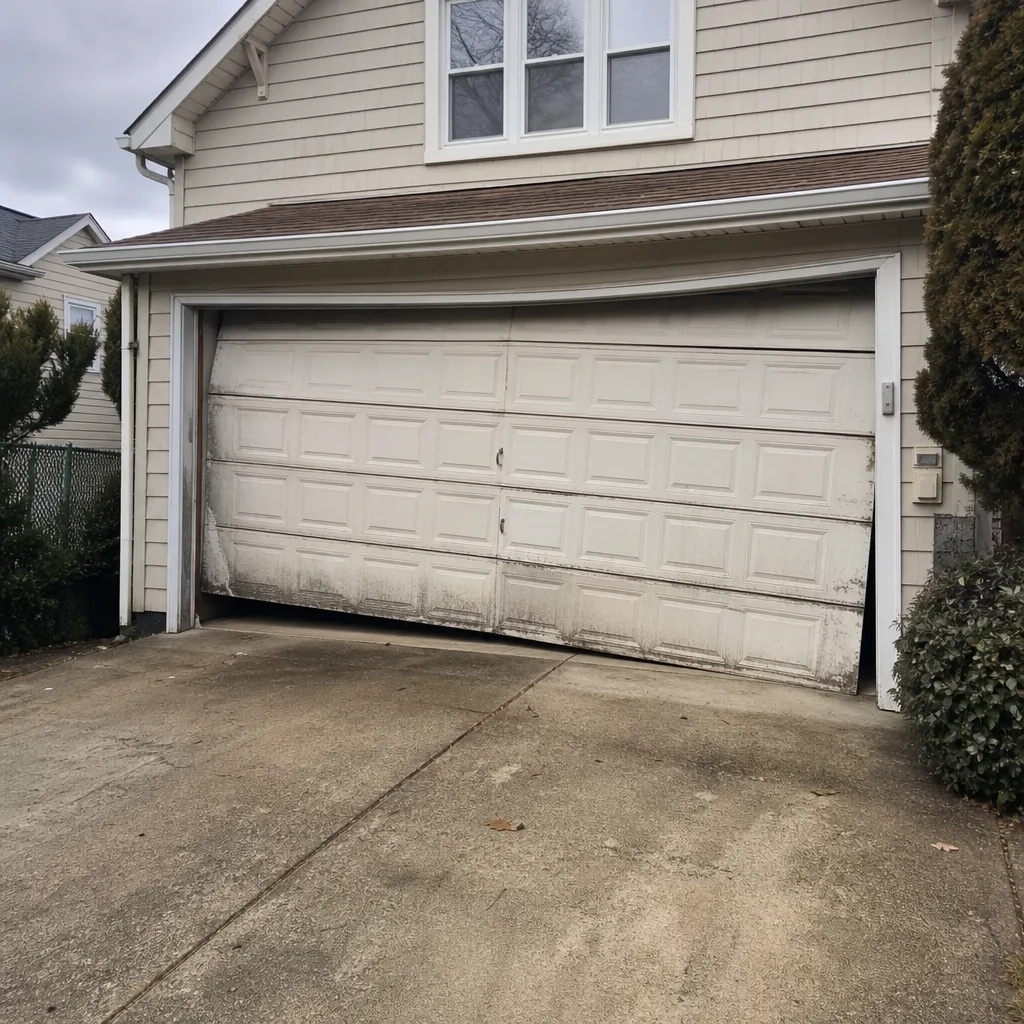 Before
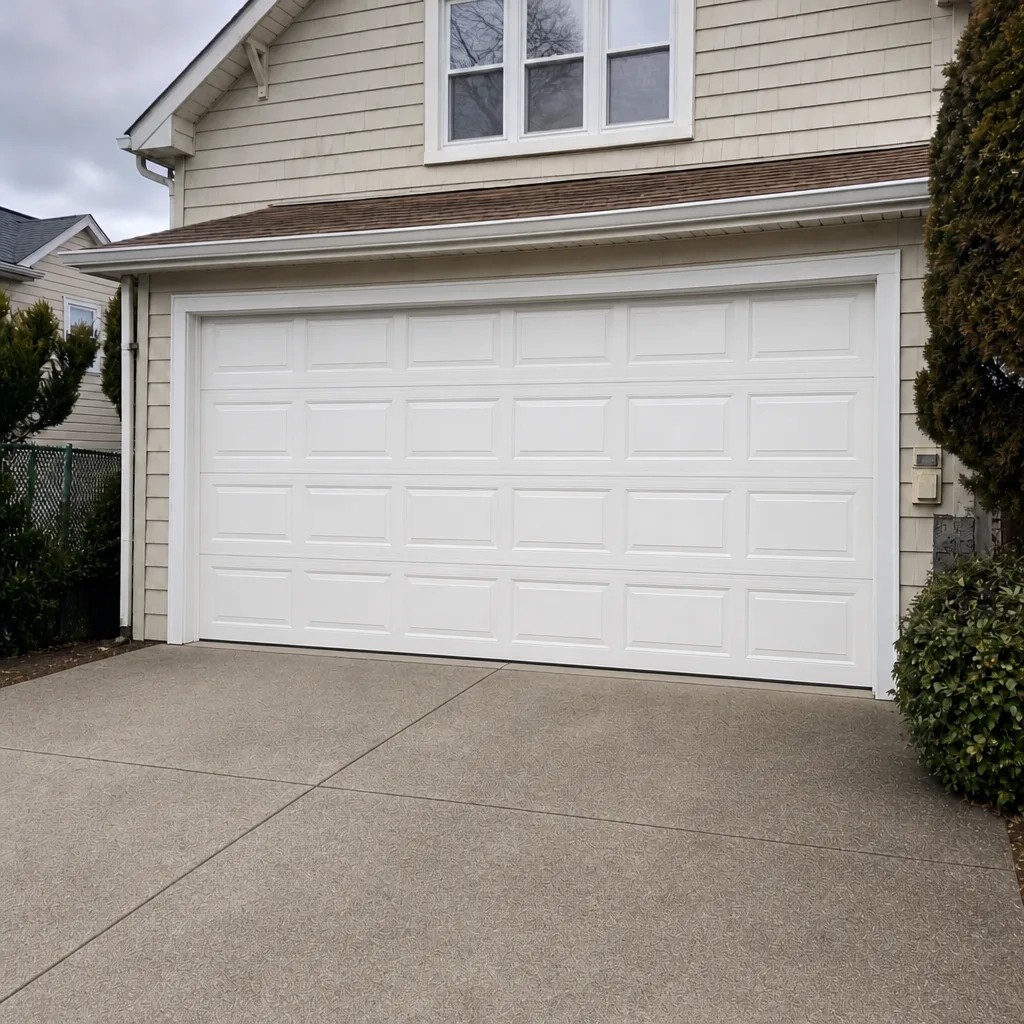 After
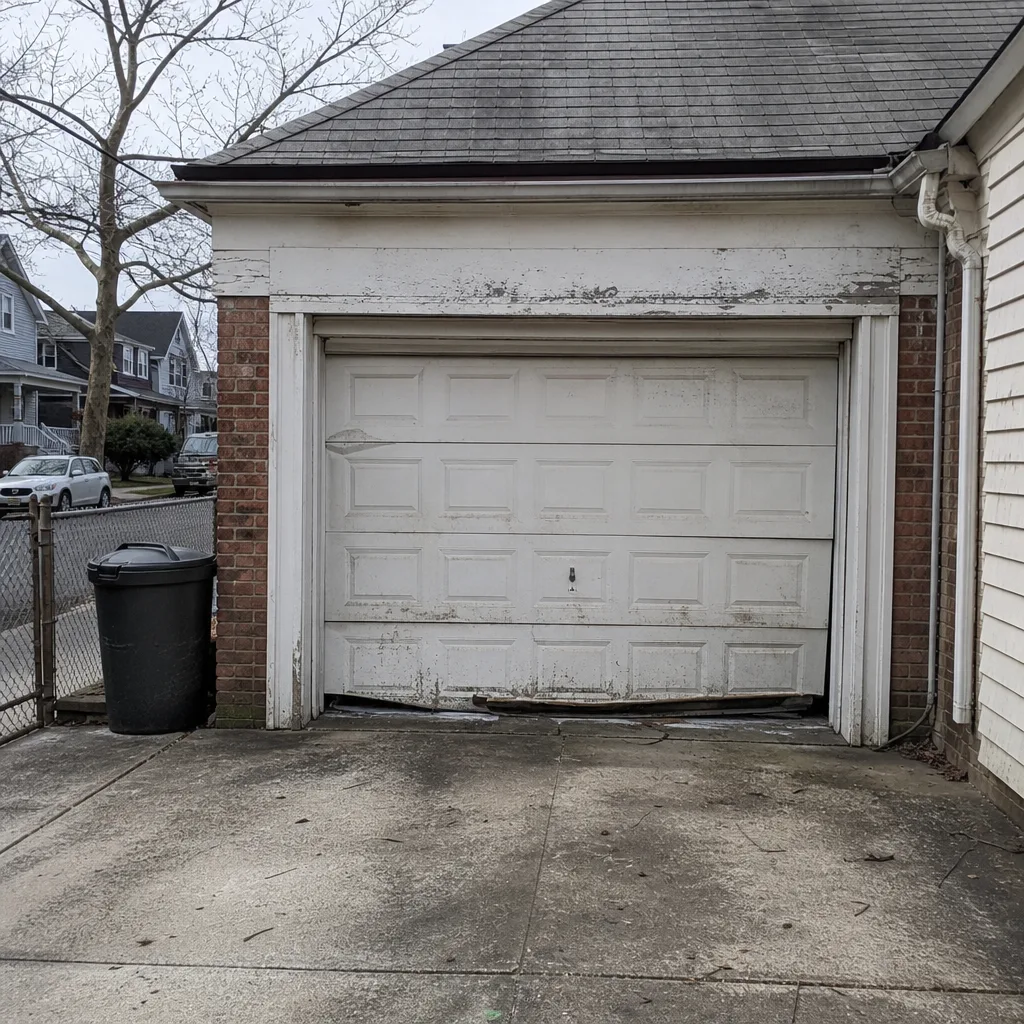 Before
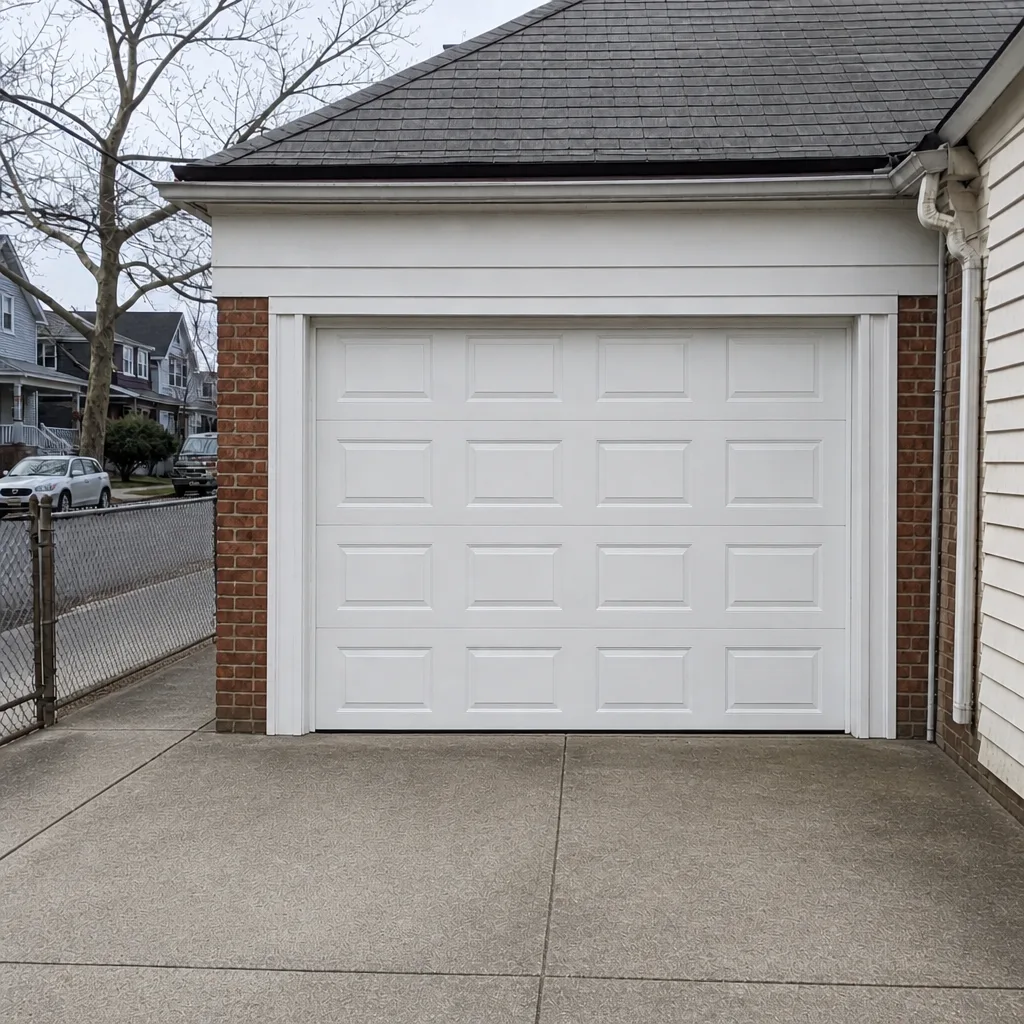 After
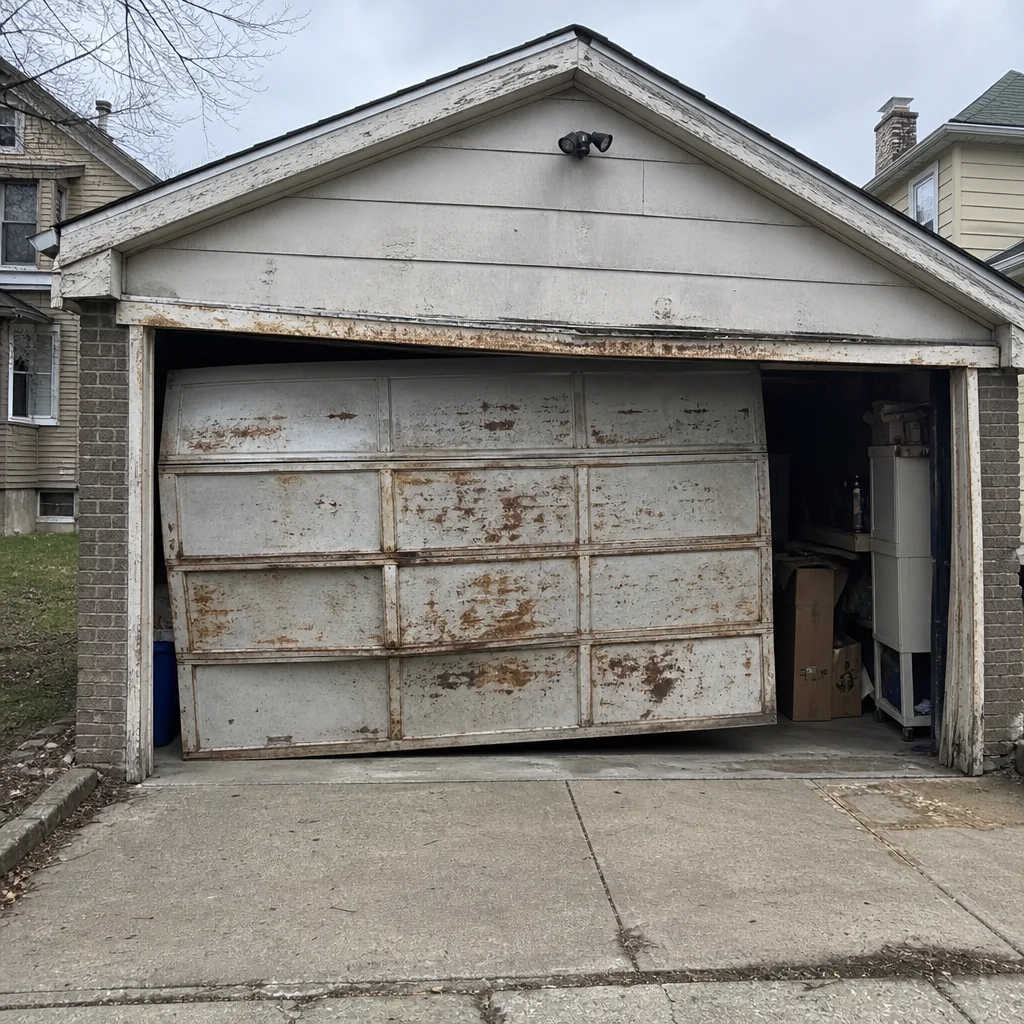 Before
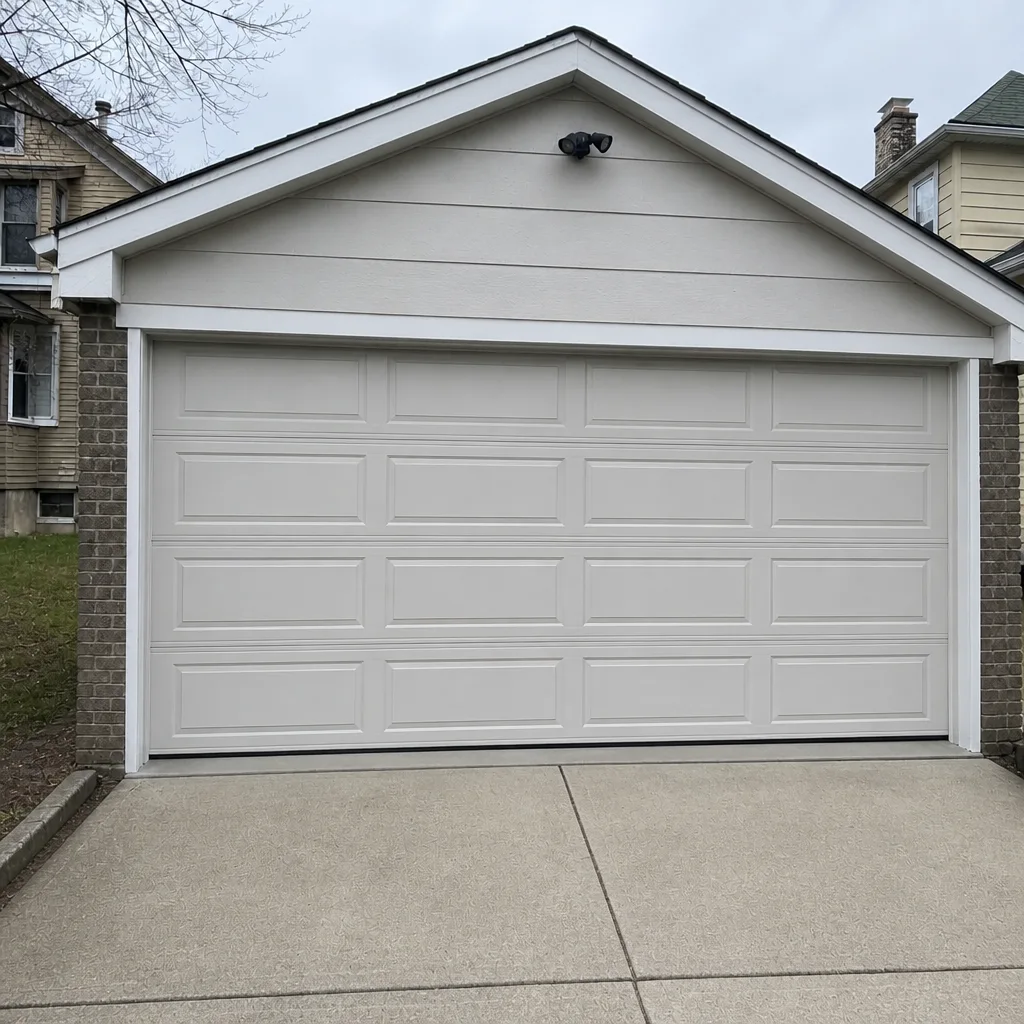 After
When to Call a Professional
Call a professional immediately if any of these are true: the door won’t open at all, the door is visibly crooked or hanging low on one side, you can see a broken spring or a gap in a torsion spring, a cable looks frayed or is off its pulley, the door reverses for no reason, or a bracket has pulled loose from the wall or the door. These are safety-related failures; don’t keep running the opener on them.
Call for a scheduled visit if the door has started running louder, is showing steady wear on the rollers or the weather seal, needs an opener replaced, or you’re thinking about a new door. Those are planned work. A free measure and a written price is the first step.
Garage Door Repair Astoria offers free estimates in Astoria. Call (866) 657-1039. We answer 24/7. Fast dispatch from 7am to 7pm, Sunday through Friday.
Frequently Asked Questions
No. Torsion and extension springs are under hundreds of pounds of tension, and a release during handling happens in under a second and can cause serious injury. The winding bar, the correct spring size, and the door’s actual weight all have to match, and a homeowner has no practical way to verify any of it. Call (866) 657-1039 for a free estimate and have a trained technician handle the repair.
Broken spring repair in Astoria typically runs $180-$340 for one spring, with a matched pair usually replaced together at roughly twice that. The written estimate sets the final price, and you’ll see it before any work starts. Our technicians have up to 9 years of experience. Call (866) 657-1039 for an exact quote – estimates are free.
Replacing the opener can be a DIY job for a careful homeowner, but it’s more complex than the manual suggests. The motor has to be matched to the door’s weight and balance, the safety sensors need to be installed and aligned correctly, and the door has to be tested for reversal on contact. If the existing opener failed for a reason other than age – binding door, worn rollers, weak spring – a new opener will fail too. Call (866) 657-1039 for a free diagnosis before deciding.
Call a professional if the door won’t open, if it hangs crooked, if you see a broken spring, if a cable looks frayed or has come off, if a bracket is pulled from the wall, or if the opener reverses without a clear cause. Of all the signs, a visibly broke spring or an off-track door are the two that need immediate attention. Call (866) 657-1039 for a free estimate.
No. A written estimate is provided before any work starts, and that estimate is the price. If we find something the homeowner didn’t know about – damage from a failed DIY attempt, a second spring near its end of life, or a bent track – we quote it before the work continues. It’s your call to approve or decline. Call (866) 657-1039 for an estimate.
The local professionals we connect you with are licensed and insured as their state requires. We work on the brand you already have, across LiftMaster, Chamberlain, Genie, Clopay, Amarr, Wayne Dalton, Craftsman, and Raynor systems, and we don’t push a replacement because a technician is unfamiliar with the system. Call (866) 657-1039 for a free estimate.
The Bottom Line
Garage door work splits cleanly into two categories, and pretending otherwise puts homeowners in the wrong bucket. Weatherstripping, lubrication, sensor alignment, remote programming, and visual inspection are yours to do. Springs, cables, track work, brackets, and balance are not – not because homeowners can’t learn, but because the consequence of a small error is an injury, not a redone job. If you’re in Astoria and the door is stuck, crooked, or making a sound that’s new, the fastest, safest path is a diagnostic call followed by a written estimate. The estimate is free, the price is set before the work starts, and the technician arrives prepared for the brand you already own.
Call us at (866) 657-1039 for a free estimate. We answer 24/7. Fast dispatch from 7am to 7pm, Sunday through Friday. Whether the door needs a spring, a cable, an opener or a whole new door, one call resolves it: our technicians work on the brand you have, and they can get your door back into working order today.
Written by the team at Garage Door Repair Astoria.