
Last updated November 21, 2026
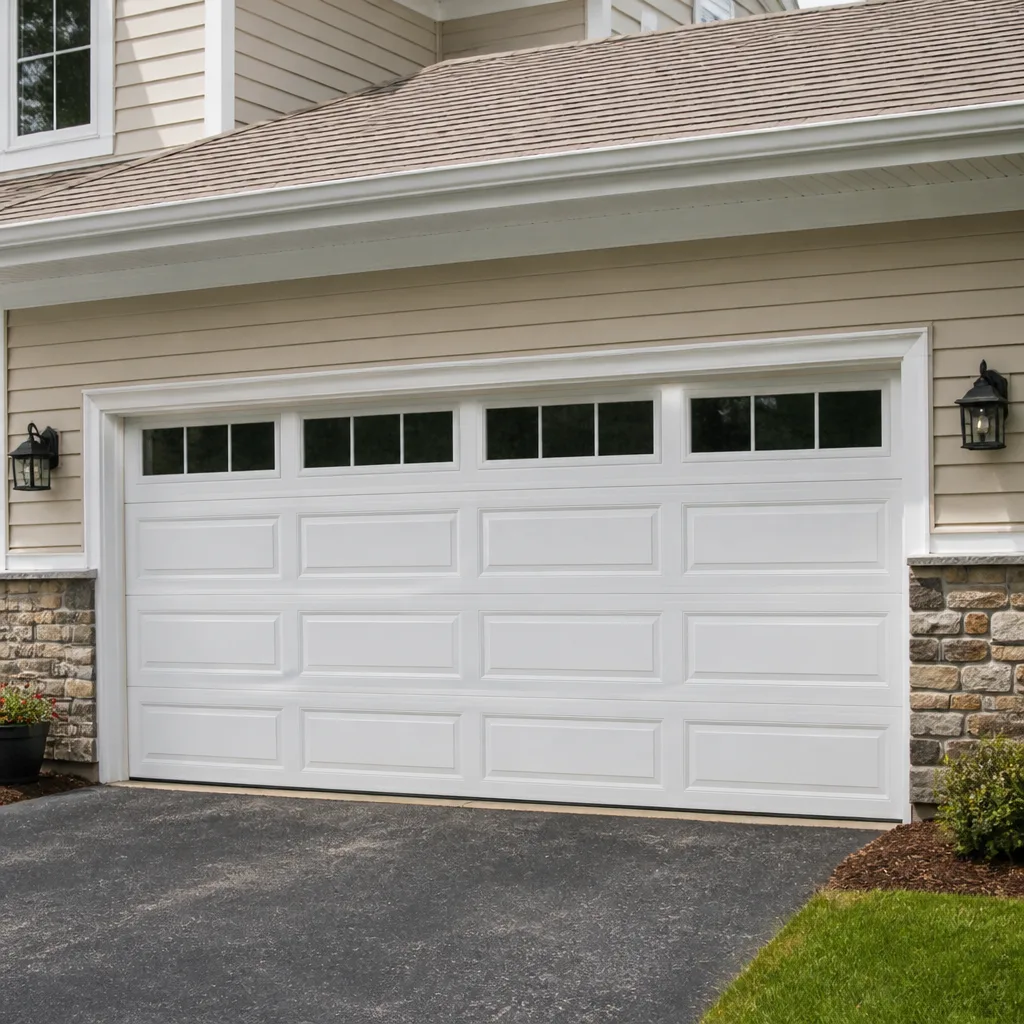 Raised-panel steel
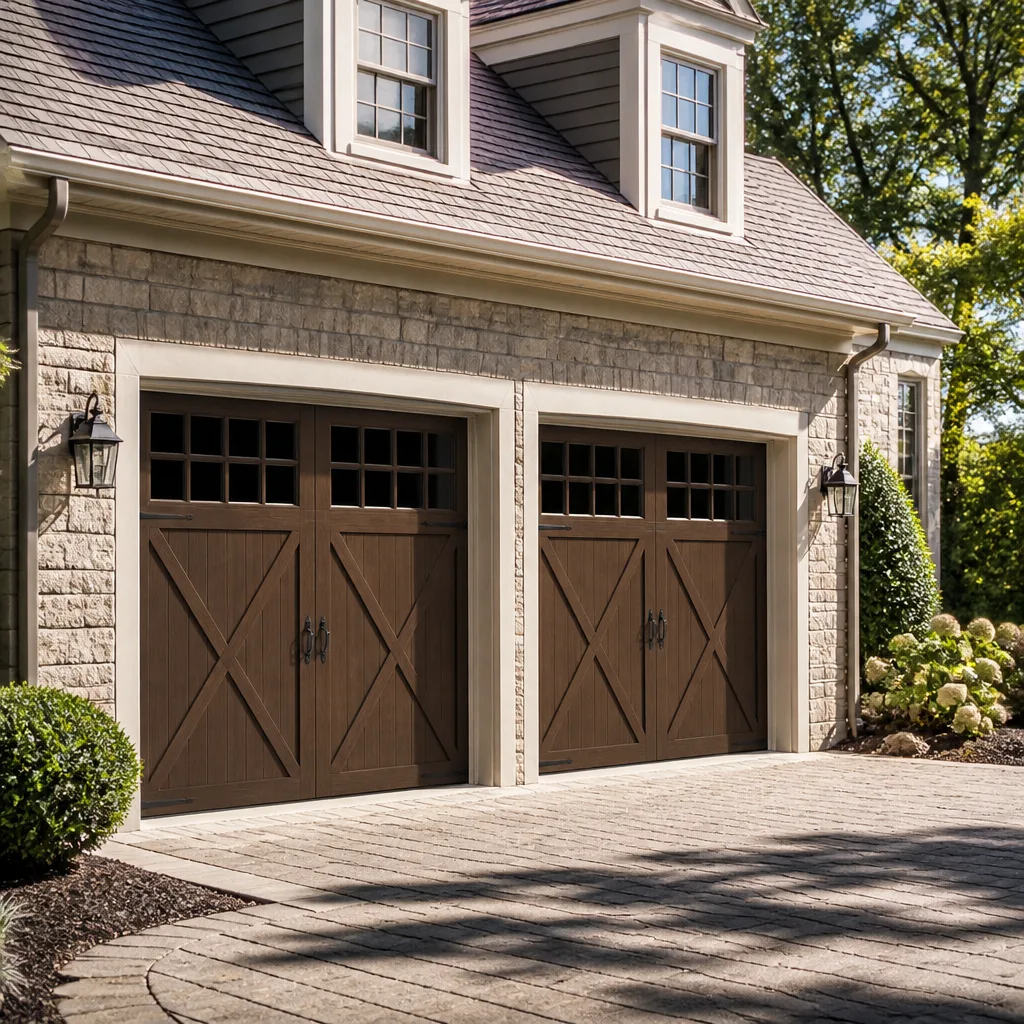 Carriage house
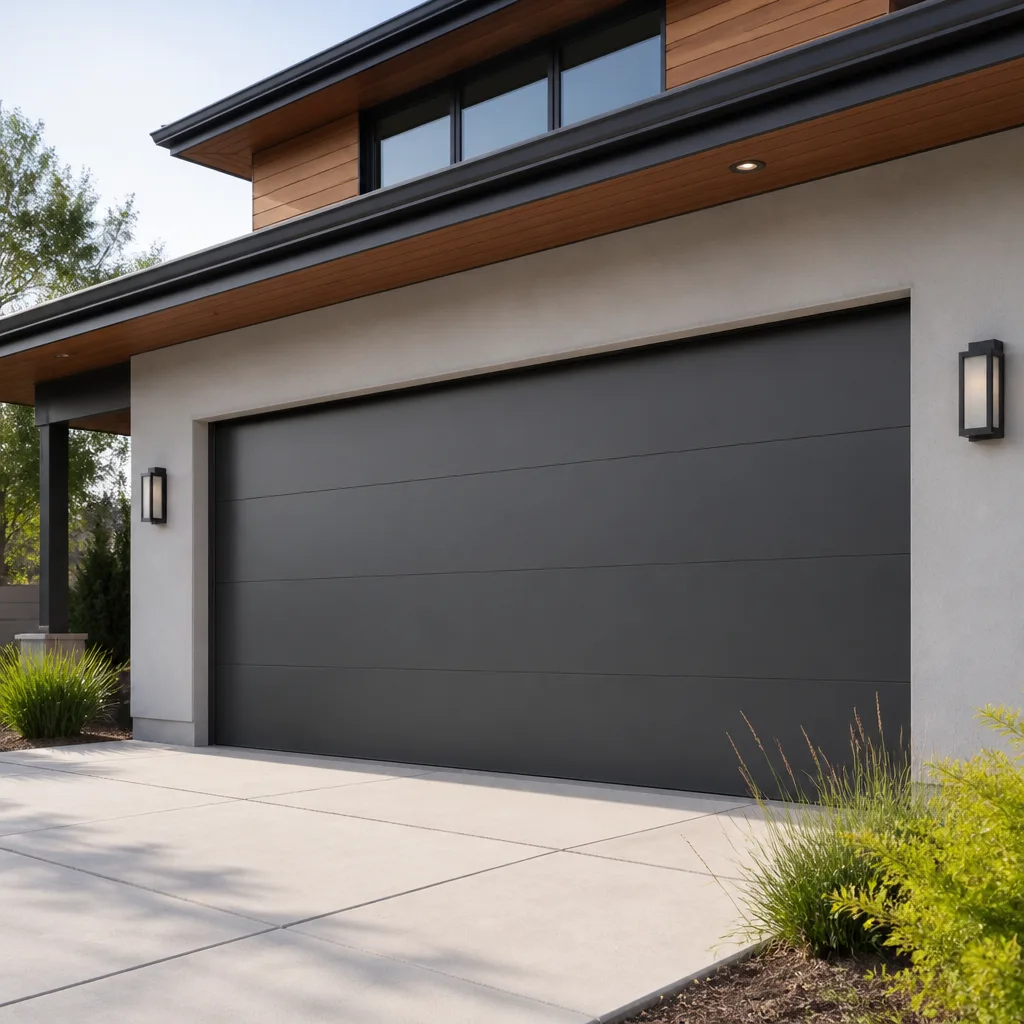 Modern flush
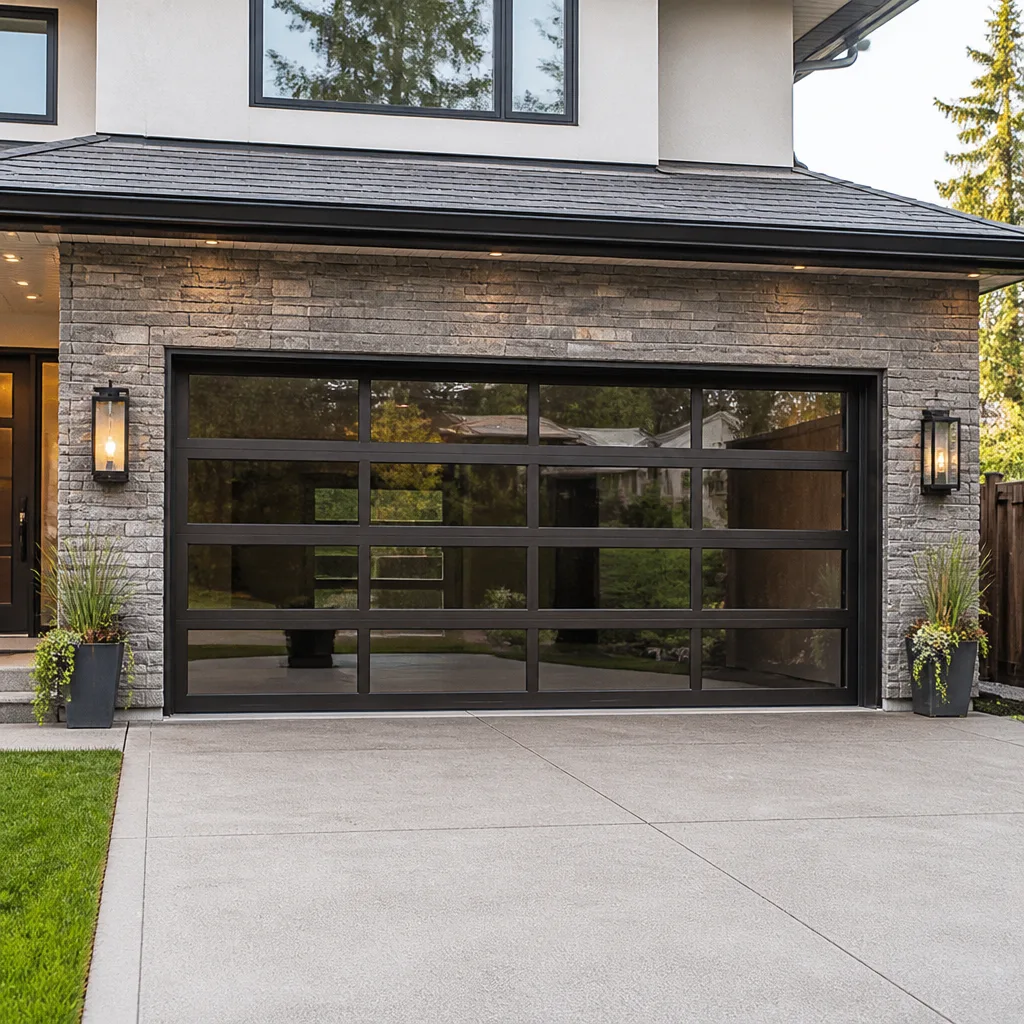 Full-view glass
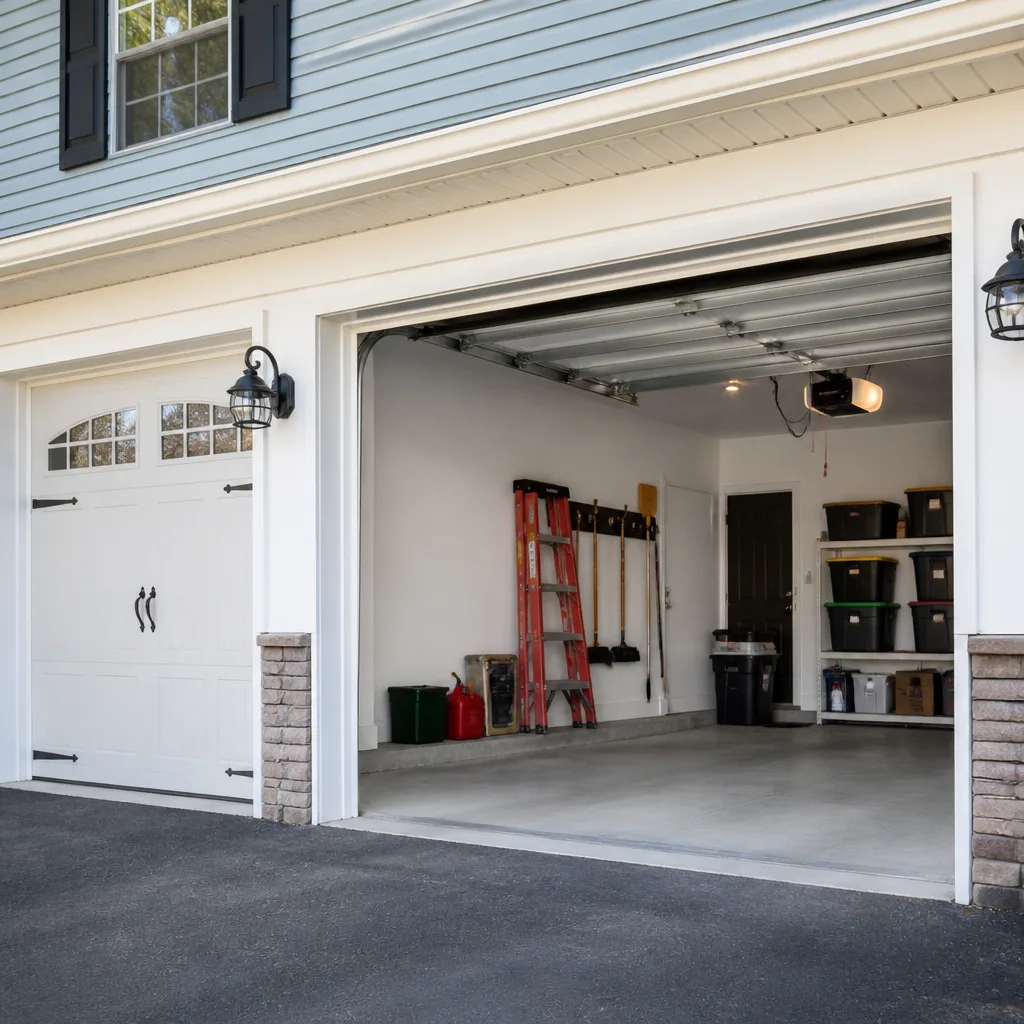 LiftMaster openers
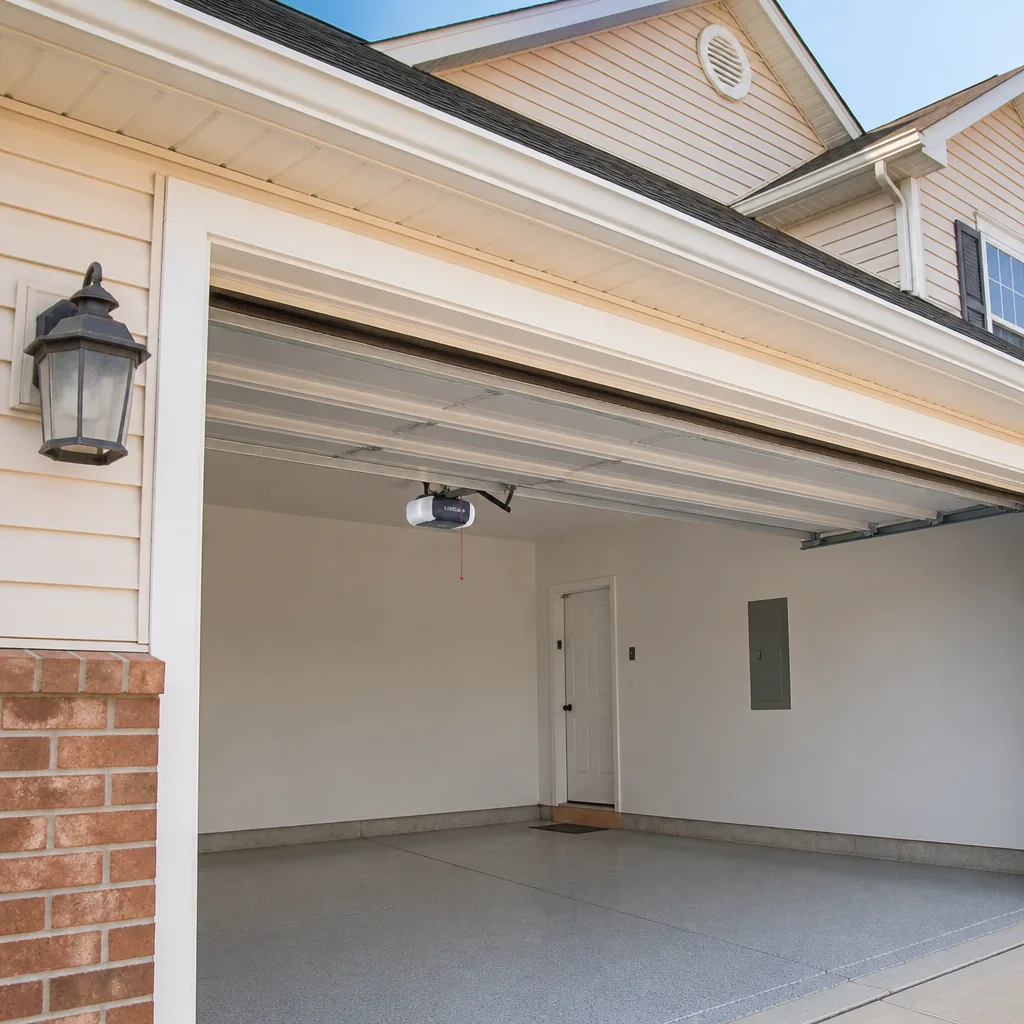 Chamberlain openers
Full 25-point door and opener safety check with every visit - springs, cables, rollers, tracks, and your LiftMaster or Chamberlain opener included
You get a price before we start. It does not change when the pro arrives.
Get your free estimateThe Complete Guide to Garage Doors in Astoria
Most Astoria garages were built before automatic openers existed. That single fact explains more failed installations and mismatched doors in this neighborhood than any brand choice or budget decision. The standard “pick a door, book the install” advice assumes a modern opening with generous headroom, clean side clearance, and a flat driveway apron. Many Astoria attached garages have none of those. This guide starts where the generic advice stops: the actual architecture of the borough’s rowhouses, converted carriage bays, and shared driveways. You’ll learn how to measure low headroom and side room before you shop, which materials survive Astoria’s humidity and street grit, how party walls and shared driveways change the whole project, and how to tell whether your existing frame can carry a new system at all.
Quick Answer
Choosing and installing a garage door in Astoria starts with the opening, not the door. Measure headroom, side room, and backroom clearance first, because many older attached garages here can’t accept a standard torsion setup or a belt-drive opener without modification. Match the material to the block’s reality, humidity and street grit included, then confirm your frame can carry the new door. Get a free measure and a written estimate before you buy anything.
Styles & brands we work with
- Raised-panel steel
- Carriage house
- Modern flush
- Full-view glass
- LiftMaster openers
- Chamberlain openers
Table of Contents
- Why Headroom and Side Room Decide Everything in Astoria
- Which Door Materials Hold Up in Astoria
- Shared Driveways and Party Walls in Astoria Rowhouses
- How to Measure Your Opening: Step by Step
- Does Your Existing Frame Need Reinforcement?
- Brand Availability and Parts Realities in Astoria
- Choosing an Opener for an Older Astoria Garage
- Repair, Replacement, or New Installation?
Why Headroom and Side Room Decide Everything in Astoria
Garage doors in Astoria are usually limited by the building, not the budget. Before a single door is ordered, three measurements determine what will actually fit and work: headroom, side room, and backroom.
- Headroom is the vertical space between the top of the door opening and the ceiling. Torsion springs and the tracks that carry a standard sectional door need space above the opening. Many older attached garages in Astoria have a shallow ceiling because the garage sits under the house, so headroom is the first number to check.
- Side room is the clearance on each side of the opening. A door with a horizontal track needs room beside the opening for the vertical track and the spring shaft. Attached rowhouse garages that were cut into a narrow bay often have very little.
- Backroom is the distance the door travels into the garage when it opens. If a door is too deep for the space, it stops short and never fully clears the opening.
When headroom is tight, the door system has to change: a low-headroom torsion setup, a different track configuration, or in some cases a different door type entirely. This is where a lot of online door-shopping goes wrong. The door on the page is fine; the opening can’t carry it. We’ve seen plenty of Astoria garages where the right call was a lower-profile system rather than a bigger door. Measure before you choose. Every time.
Which Door Materials Hold Up in Astoria
Astoria’s climate is humid in summer and cold in winter, and the density of the neighborhood means your door faces more street grit, exhaust, and splash-up than a suburban one. Material choice isn’t cosmetic here. It affects how long the door lasts and how much upkeep it needs.
- Steel is the workhorse. It holds paint well, resists humidity, and handles a low-maintenance routine. In a block with heavy street traffic, steel takes the grit better than softer materials. Go for a heavier gauge if the door is large or on an exposed face.
- Insulated steel with a foam core is worth it on attached garages, especially when the garage shares a wall with living space. The insulation helps moderate temperature swings next to the house, and it stiffens the door.
- Aluminum is lighter and resists rust, which matters in a humid climate, but dents more easily. It suits smaller doors and low-traffic situations.
- Wood and wood-composite look right on some of Astoria’s older properties but need more maintenance in a humid climate. Paint and sealant matter far more than they would in a dry region.
One thing to plan for: in Astoria, the door sits close to the street in many blocks. Street-level grit and occasional splash from gutters and paving work mean the bottom section takes the worst of it. A door that looks beautiful in a showroom still needs to survive that. We’d rather fit a door the block won’t punish than one that looks good for a season.
Shared Driveways and Party Walls in Astoria Rowhouses
A huge share of Astoria garage doors sit on shared driveways or against party walls, and that changes the job. You’re not just fitting a door; you’re fitting it without disturbing the neighbor’s side.
- Confirm who owns the driveway and the apron. Shared driveways mean shared decisions about paving, drainage, and access. Before work starts, know which surfaces you’re allowed to touch.
- Check clearances against the party wall. When a garage shares a wall with the property next door, track mounting and spring placement have to respect that wall. There’s no room to drill into what isn’t yours.
- Plan the install around access. A shared driveway can be blocked by a neighbor’s car or a delivery. The door and its parts need to get in, and the old door needs to get out. A little coordination saves a wasted trip.
- Account for drainage and splash. Shared hard surfaces push water toward the garage opening. That’s a sealing and threshold question, not just a door question.
None of this is exotic to anyone working in Astoria, but it’s absent from most door guides. Rowhouse garage doors live in tight quarters. Common sense and a tape measure handle most of it. Where a party wall or shared driveway is involved, ask about it up front rather than discovering the problem mid-install. If you need work on the door itself, garage door repair is where most of these jobs start.
How to Measure Your Opening: Step by Step
You don’t need to do the install yourself to give a useful measure. These numbers help you compare quotes and catch a bad quote early.
- Measure the opening width and height. Take width at the top, middle, and bottom of the opening; use the smallest number. Same for height at both sides; use the shortest.
- Measure headroom. From the top of the opening straight up to the lowest obstruction (ceiling, beam, or duct). This decides whether a standard torsion setup fits.
- Measure side room. From each side of the opening to the nearest wall or obstruction. The tighter side governs.
- Measure backroom. How far the door can travel into the garage before it hits something. If it can’t clear the opening, plan for a different door type.
- Check the frame itself. Look for rot, movement, or sagging in the jambs and header. A crooked frame will make a straight door bind.
- Note the driveway slope. A sloped apron affects sealing and how the door meets the floor.
Write it all down, take photos, and bring the numbers to your estimate conversation. A good quote accounts for all six. A quote that skips headroom is answering a different question. For a full replacement, the measure is the step that protects you most – it’s covered in depth in garage door installation.
Does Your Existing Frame Need Reinforcement?
An older frame in Astoria should be checked before any new system goes in. Between decades of humidity and the weight of a door that was often added after the fact, frames that look fine can be carrying more than they should.
- Sagging header: if the beam above the opening has bowed, the door will bind and the tracks will fight the frame.
- Soft or rotted jambs: humidity finds weak wood. Push on the jamb near the floor; if it gives, it needs attention.
- Loose anchor points: tracks and spring brackets pull hard on their fasteners. If the wood around them is soft or the bolts turn freely, the mount is compromised.
- Out-of-square opening: measure both diagonals. If they don’t match, the frame is twisted and a new door won’t sit right until it’s squared.
Reinforcement is usually straightforward when it’s caught before installation. It’s a much bigger job when it’s discovered mid-install or after a door has already been hung. The check takes minutes and saves the whole project. If you’re not sure what you’re looking at, have it looked at before you buy the door. For spring or opener problems specifically, our garage door opener repair team deals with the aftereffects of a compromised mount regularly. A door’s hardware is only as strong as the frame it’s fixed to.
Brand Availability and Parts Realities in Astoria
One real difference between Astoria and a suburban market: parts for less common brands can be a wait. Suburban installers often work in a handful of models; here, the housing stock is so varied that you meet nearly every system.
We work on the brand you already have. Our technicians are factory-familiar with LiftMaster, Chamberlain, Genie, Clopay, Amarr, Wayne Dalton, Craftsman, and Raynor. That matters in Astoria because the door that’s already on the building is usually the one worth keeping. A Wayne Dalton opener that’s still serviceable doesn’t need replacing just because a generalist has never opened its panel. A Craftsman system that’s simply out of adjustment is a repair, not an upsell. Brand-agnostic fluency is why the single-source model works here: one visit handles the whole door, whether it’s a spring, a panel, or the opener. Built for the job, not the upsell. Our technicians have up to 9 years of experience across these systems, and it shows on the awkward jobs that an older Astoria garage throws at you.
Choosing an Opener for an Older Astoria Garage
The opener should match the door and the garage, not the other way around. In Astoria’s older attached garages, the quietest suburban default isn’t always the right answer.
- Drive type: belt drive runs quietest, chain drive is tough and simple, screw drive sits in between. In a garage under the living space, quiet matters more than it would in a detached building.
- Power and weight: match the opener’s capacity to the door’s weight and insulation. A heavy insulated door on an undersized opener will strain and fail early.
- Safety features: a working auto-reverse and a properly aligned safety sensor aren’t optional. On any older opener, verify both before trusting the system.
- Controls and battery backup: a battery backup keeps the door usable during a power cut (common enough after a storm in a dense block), and smart controls help if you’re a property manager with several units.
- Compatibility: older LiftMaster and Genie configurations often have proprietary quirks that a universal kit handles poorly. That’s a system-matching question, not a guessing one.
If your current opener still works but is finicky, adjustment or parts replacement is often the fix. When the door won’t move, we do. Back in working order today is the goal on repair calls, and a well-matched opener is the cheapest way to keep it that way.
Repair, Replacement, or New Installation?
Most Astoria homeowners ask the same question first: can this be fixed, or do I need a new door? Here’s the short version.
- Repair is usually the right call when the door structure is sound and one component has failed: a spring, a cable, a roller, a hinge, or the opener.
- Replacement makes sense when the door panel itself is failing, when the frame can’t be saved, or when the door is consistently out of balance and the cost of repair approaches the cost of a new section.
- New installation applies when you’re fitting a door to an opening that has none, converting a carriage bay, or replacing a door that was never the right system for the opening in the first place.
Be wary of the contractor who jumps straight to replacement on a door that’s clearly serviceable. Springs, openers, panels, tracks – we handle the whole door, so there’s no incentive to push a sale. Some jobs are genuinely a big one: a door that’s been binding for years, or a frame that needs work before a new system can go in. Others are a single part and an adjustment. Either way, the estimate tells you what’s needed before anything is ordered. For a repair or an emergency, that’s garage door repair Astoria starting point. For a new system, it’s a free measure and a written price.
Common Mistakes to Avoid
- Ordering a door before measuring headroom. The most common Astoria mistake. The door looks perfect and doesn’t fit the opening. Measure first, choose second.
- Assuming side room equals what a showroom has. Showrooms are wide. Many attached garages in Astoria are not. Check both sides of the opening, and go by the tighter one.
- Ignoring the frame because the old door “worked.” A sagging header or soft jamb will fail a new system quickly. Check the frame before installation, not after.
- Letting a generalist swap a brand they don’t know. A system the installer understands is always better than a new system they don’t. Ask what brands they actually work on.
- Forgetting the shared driveway and party wall. Access and clearances are part of the job in Astoria rowhouses. Plan them into the install, not after.
- Skipping the opener-door match. An undersized opener on a heavy insulated door is a short-lived pairing. Match the two before you buy either.
- Treating a low-headroom garage like a standard one. The right answer there is often a low-headroom configuration, not a standard one squeezed in. Ask about it.
See the difference
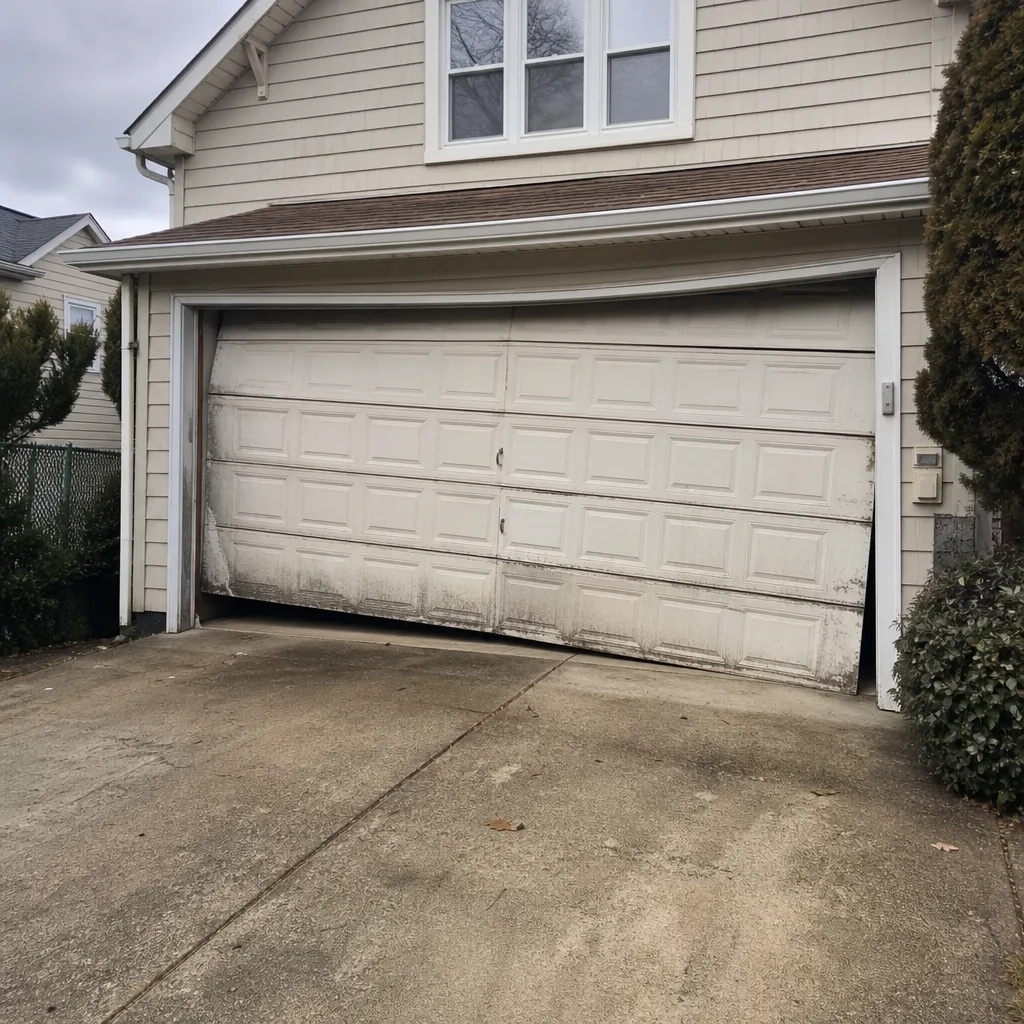 Before
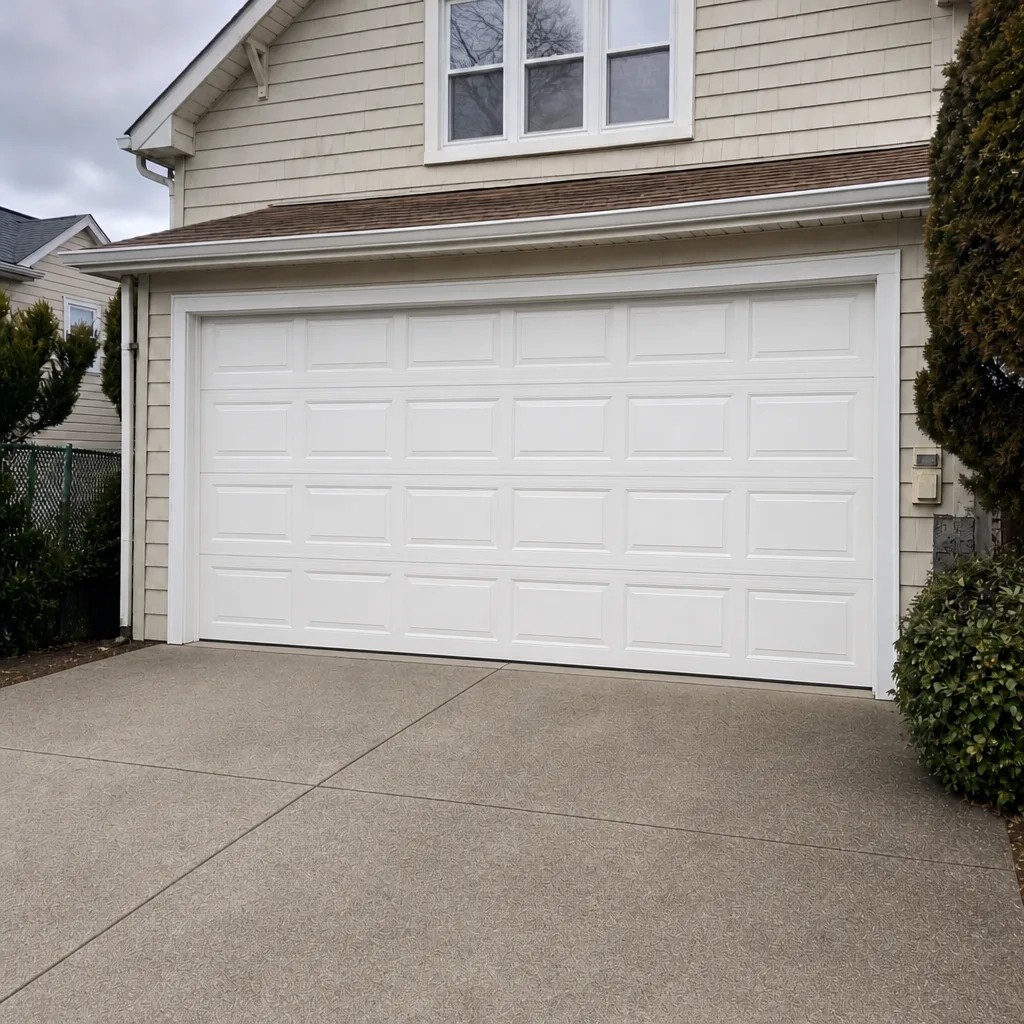 After
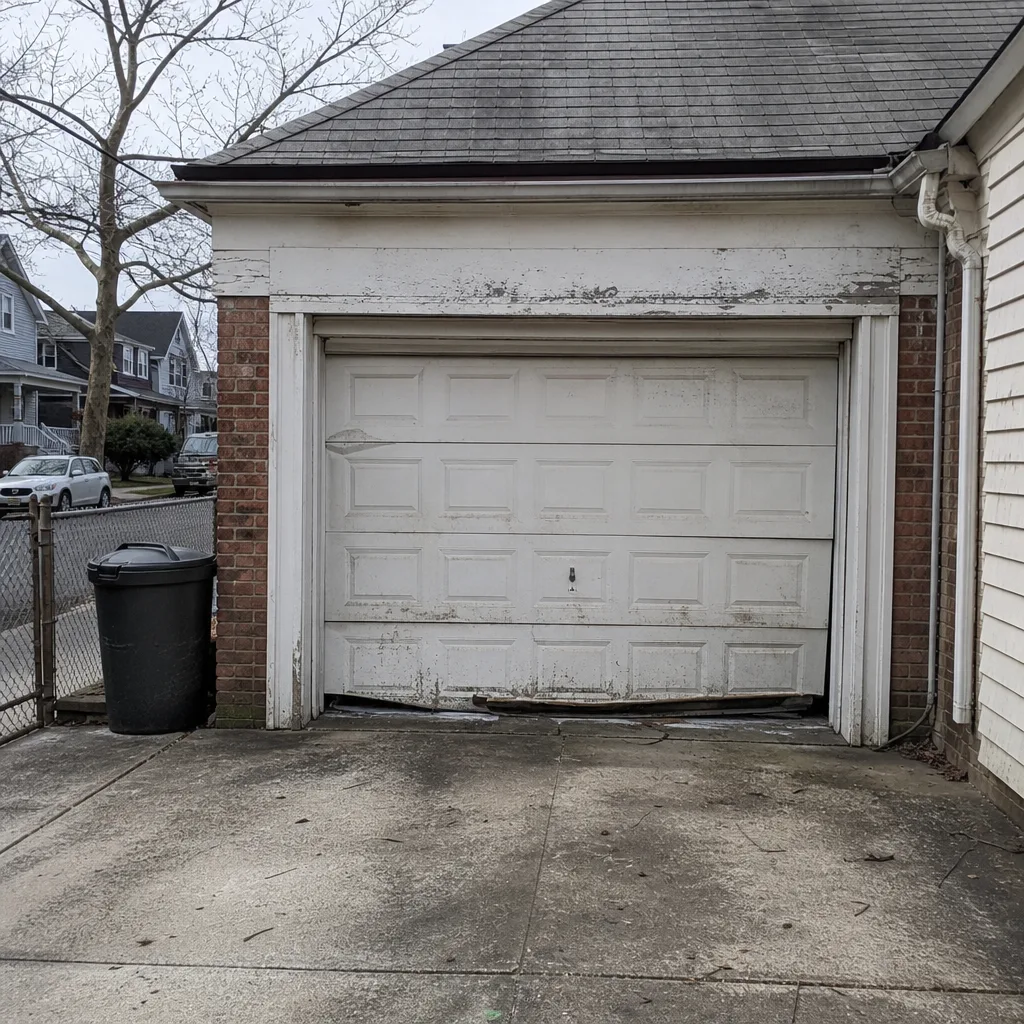 Before
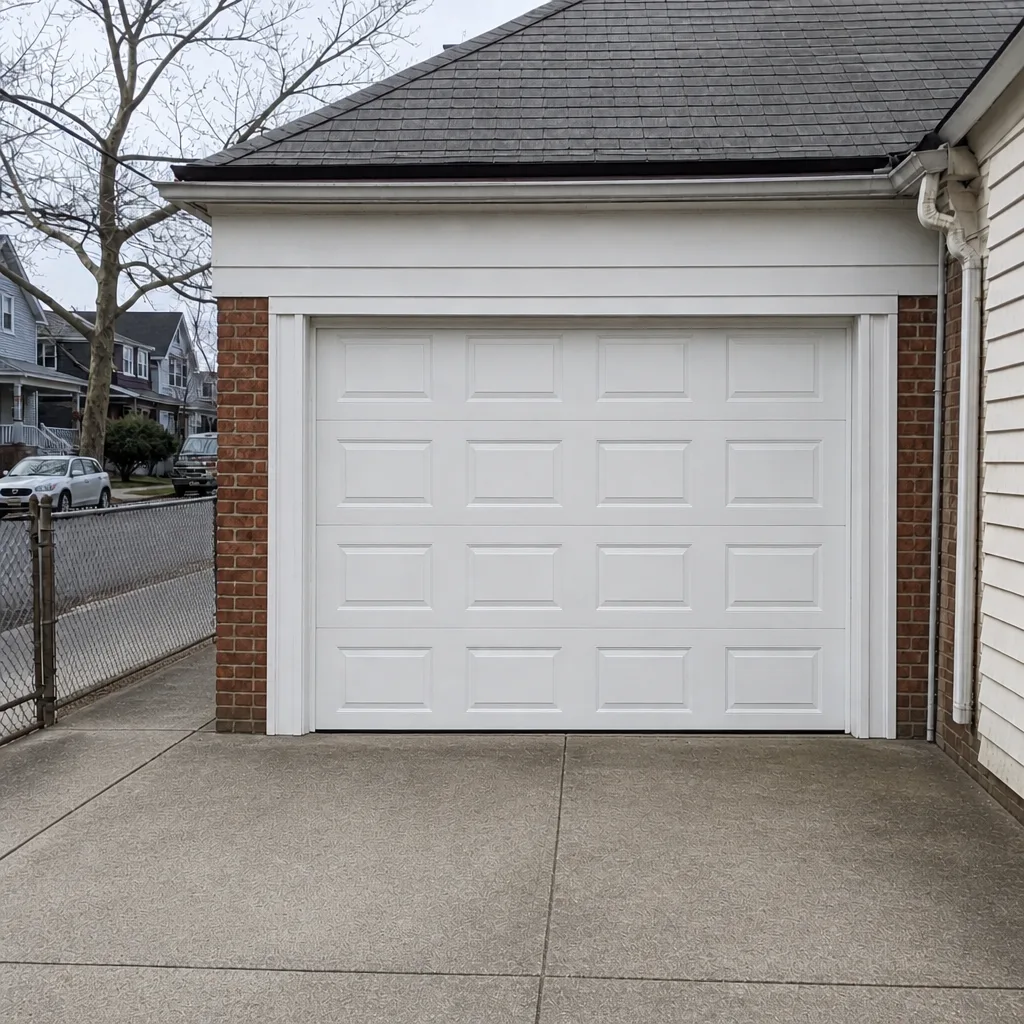 After
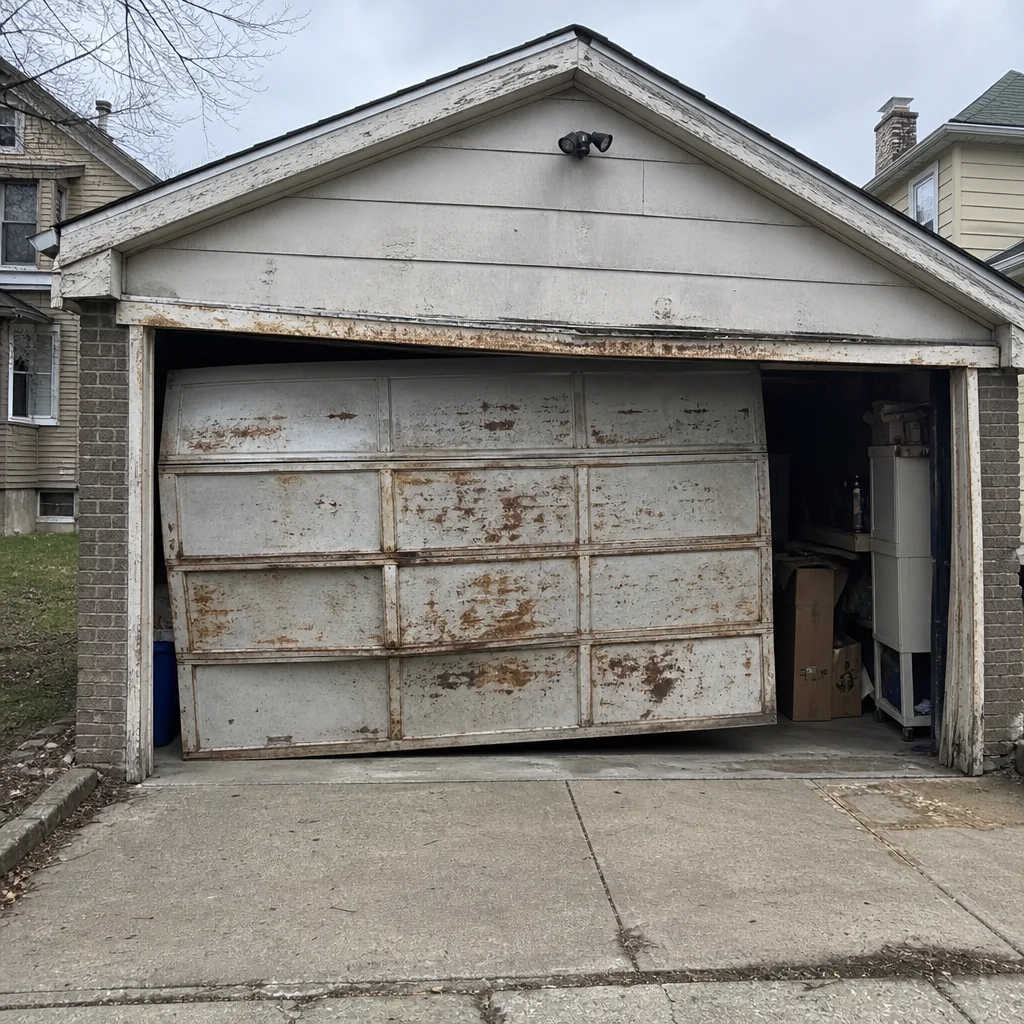 Before
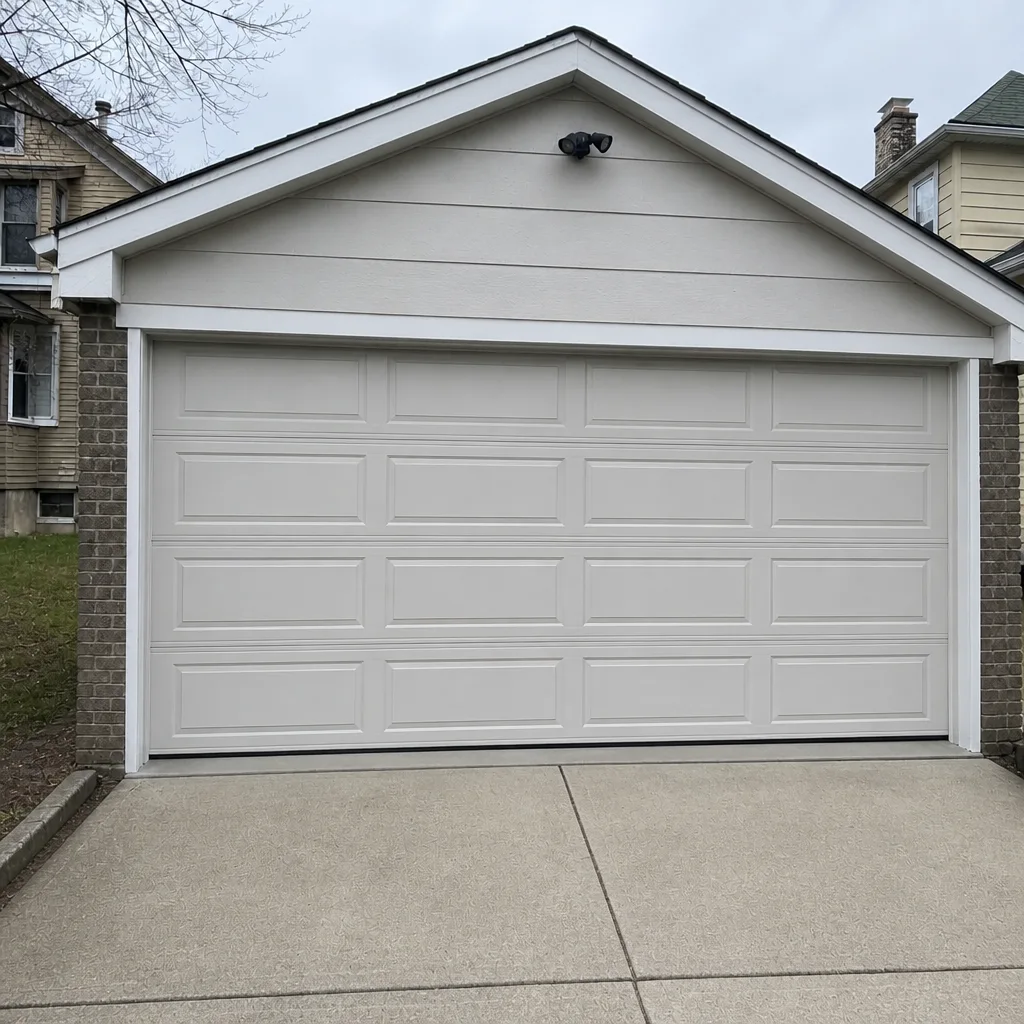 After
When to Call a Professional
Springs and cables under tension are genuinely dangerous. The torsion spring above an opening stores enough force to cause serious injury, and the cables and brackets that carry it require the right tools and know-how. That’s the first and clearest call-a-professional case. Beyond that, call a specialist when: the door won’t travel evenly or comes off the track; the opener hums but doesn’t lift, or lifts crookedly; the door lifts by hand harder than it should; panels or hardware are loose; you’re planning a new door and aren’t certain the frame can carry it; or the opener strain is already showing. If you’re on a shared driveway or party wall and aren’t sure who’s responsible for what, put that in the conversation too. Garage Door Repair Astoria offers free estimates in Astoria. Call (866) 657-1039. We answer 24/7. Fast dispatch from 7am to 7pm, Sunday through Friday.
Frequently Asked Questions
In our experience, the most common issue is a door system that was never correctly matched to the opening. Low headroom, tight side room, and frames that weren’t reinforced before a heavy door went on are behind a lot of the repair calls. Spring and opener failures follow close behind. The fix usually starts with a proper measurement and a system that fits, not a part swap.
We’d advise against it, and not because of difficulty. The high-tension components (springs, cables, and their brackets) are dangerous and can cause serious injury if handled without the right tools and know-how. Beyond that, an older Astoria frame often needs evaluation and reinforcement before a new door goes in. Have a free measure done first, then decide. Call (866) 657-1039 for that estimate.
Measure headroom, side room, and backroom; check the frame for sagging or rot; and note the driveway slope. If you’re on a shared driveway or party wall, note the clearances. Bring those numbers to the estimate. It’s the difference between a door that fits and one that doesn’t. Free estimates are available.
Sometimes. Low headroom and tight side room limit which configurations fit, and a heavy insulated door needs an opener sized for the weight. A battery backup matters more when power flickers in a dense block. The best answer is to match the opener to the door at the measure, rather than buy one and hope. Call (866) 657-1039 for that estimate.
The price is set per job by the written estimate, and the estimate is agreed before any work starts. The measure is where the estimate comes from, so it accounts for the opening, the frame, and the system. If the job changes at the measure, that’s reflected in the written price before you commit. Free estimates. Call (866) 657-1039 for an exact quote.
Yes, reach out the same day. Emergency service is a core offering, and a door that’s off its track, a broken spring, or an opener failure that leaves the home unsecured gets treated as urgent. We answer 24/7. Call (866) 657-1039. A call outside dispatch hours is booked into the next opening, Sunday through Friday, 7am to 7pm.
The Bottom Line
Garage doors in Astoria are a building question before they’re a shopping question. Measure headroom, side room, and backroom first. Check the frame before you order. Plan around shared driveways and party walls. Then match the door and opener to the opening, on the brand you already own. Get a free measure and a written estimate, and don’t let anyone tell you the door is the starting point. The opening is. Our technicians have up to 9 years of experience with LiftMaster, Chamberlain, Genie, Clopay, Amarr, Wayne Dalton, Craftsman, and Raynor, and we work on the door you already have.
When you’re ready to move forward, or when the door won’t move, call (866) 657-1039 for a free estimate. We answer 24/7. Fast dispatch from 7am to 7pm, Sunday through Friday.
Written by the team at Garage Door Repair Astoria.