
Last updated November 21, 2026
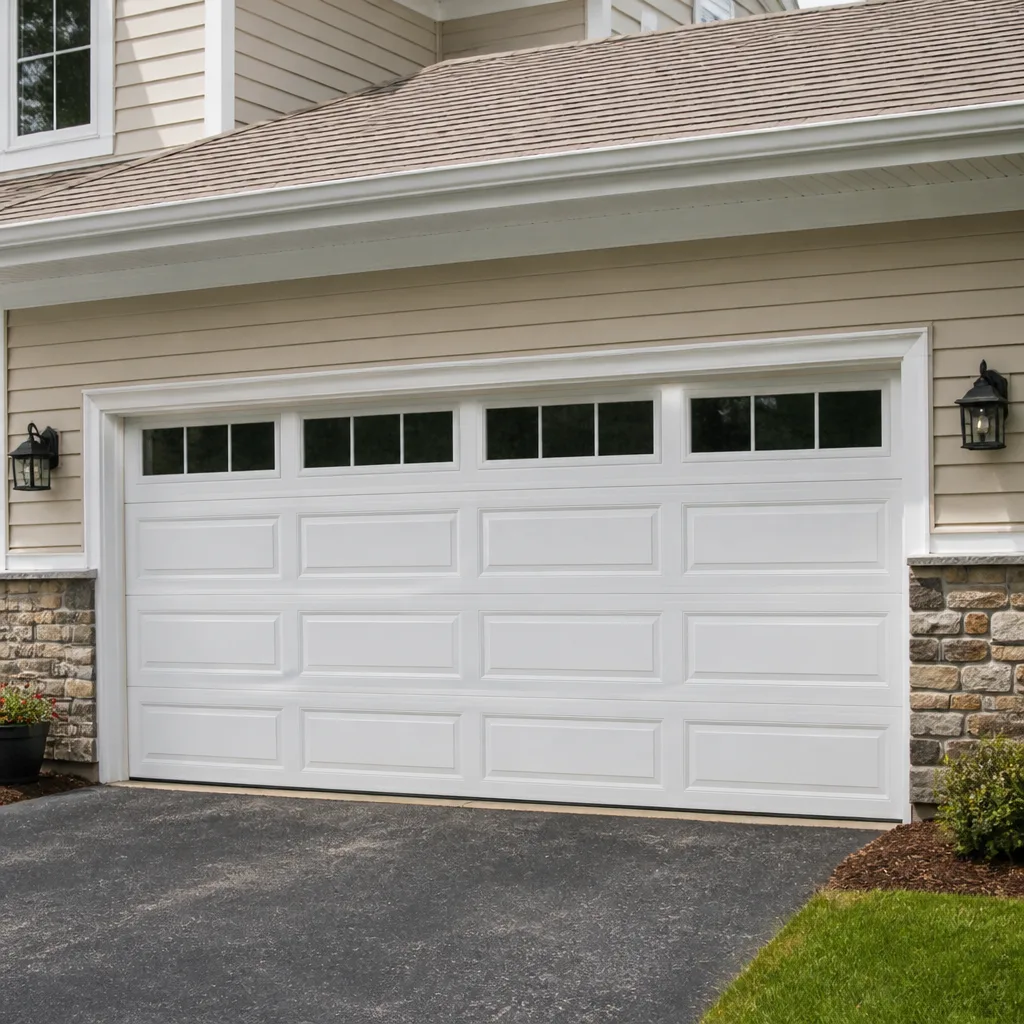 Raised-panel steel
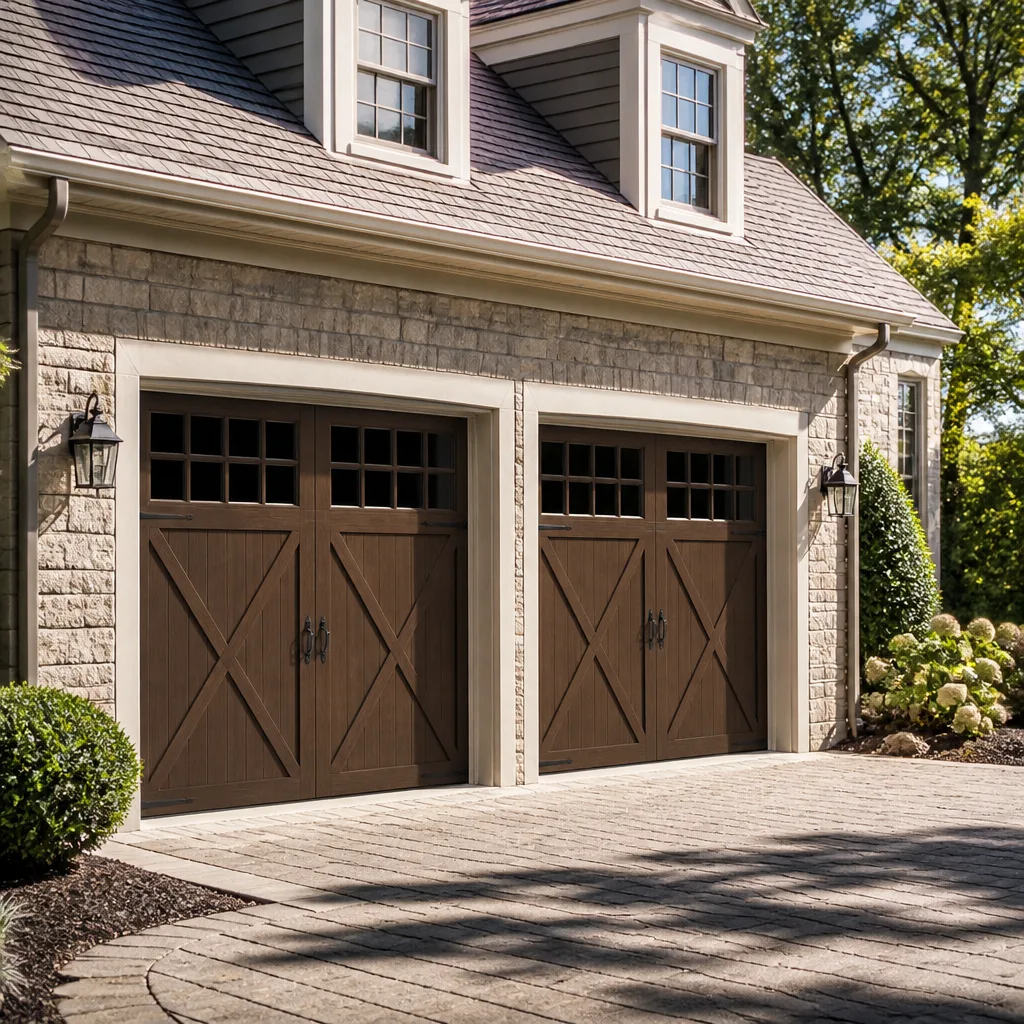 Carriage house
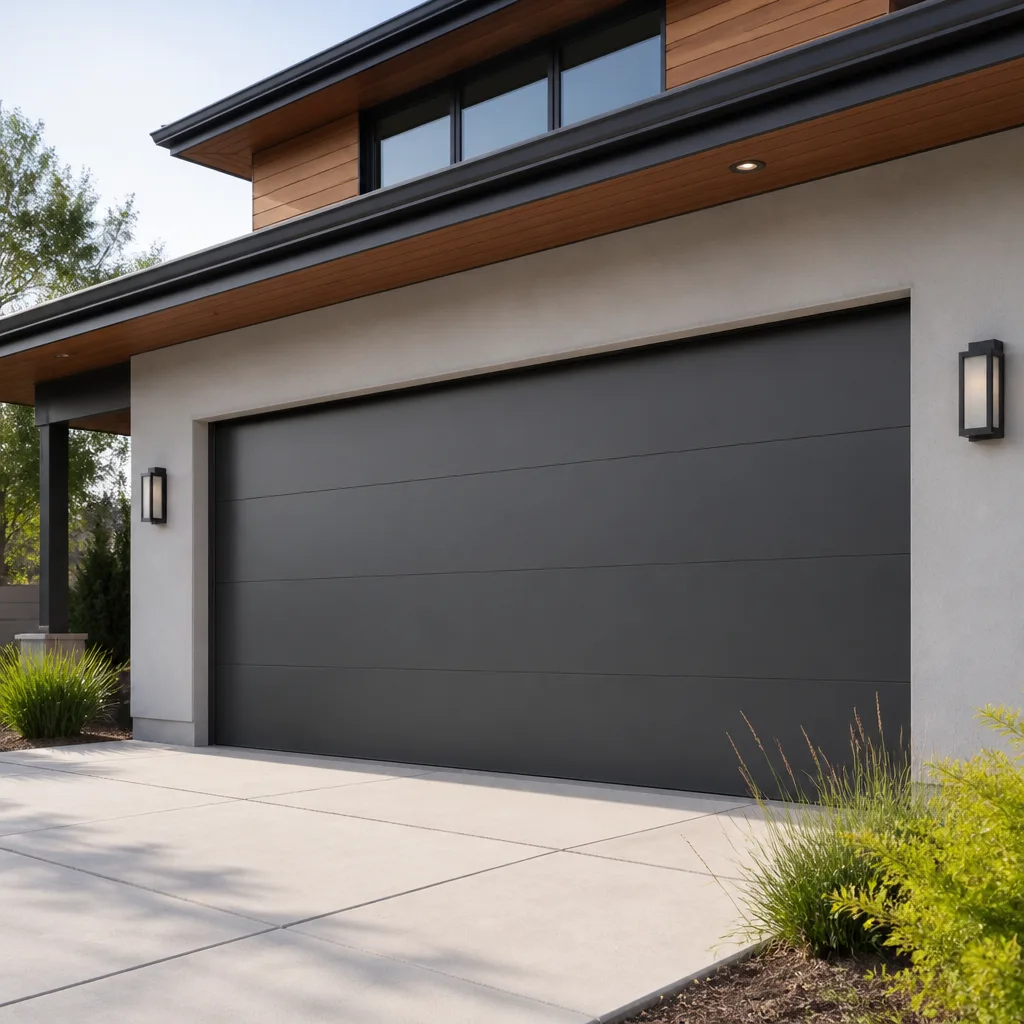 Modern flush
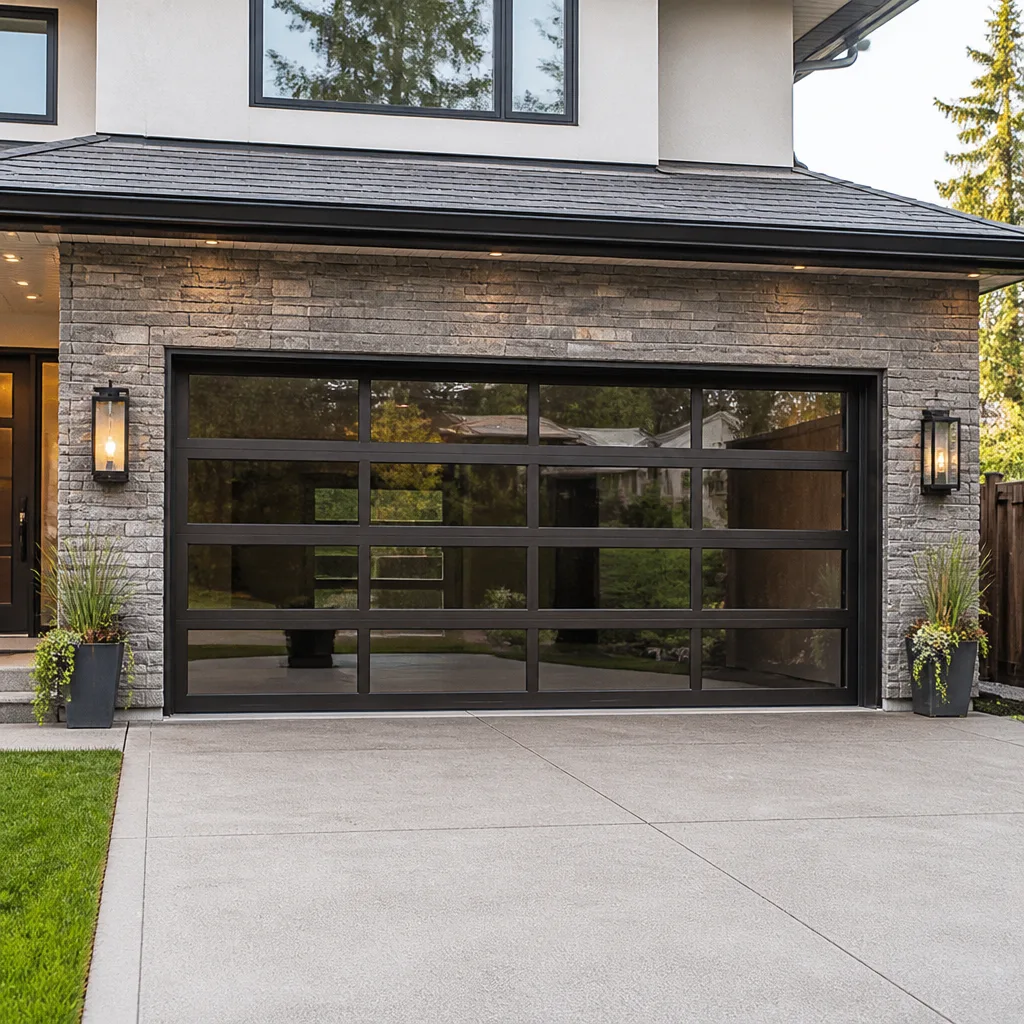 Full-view glass
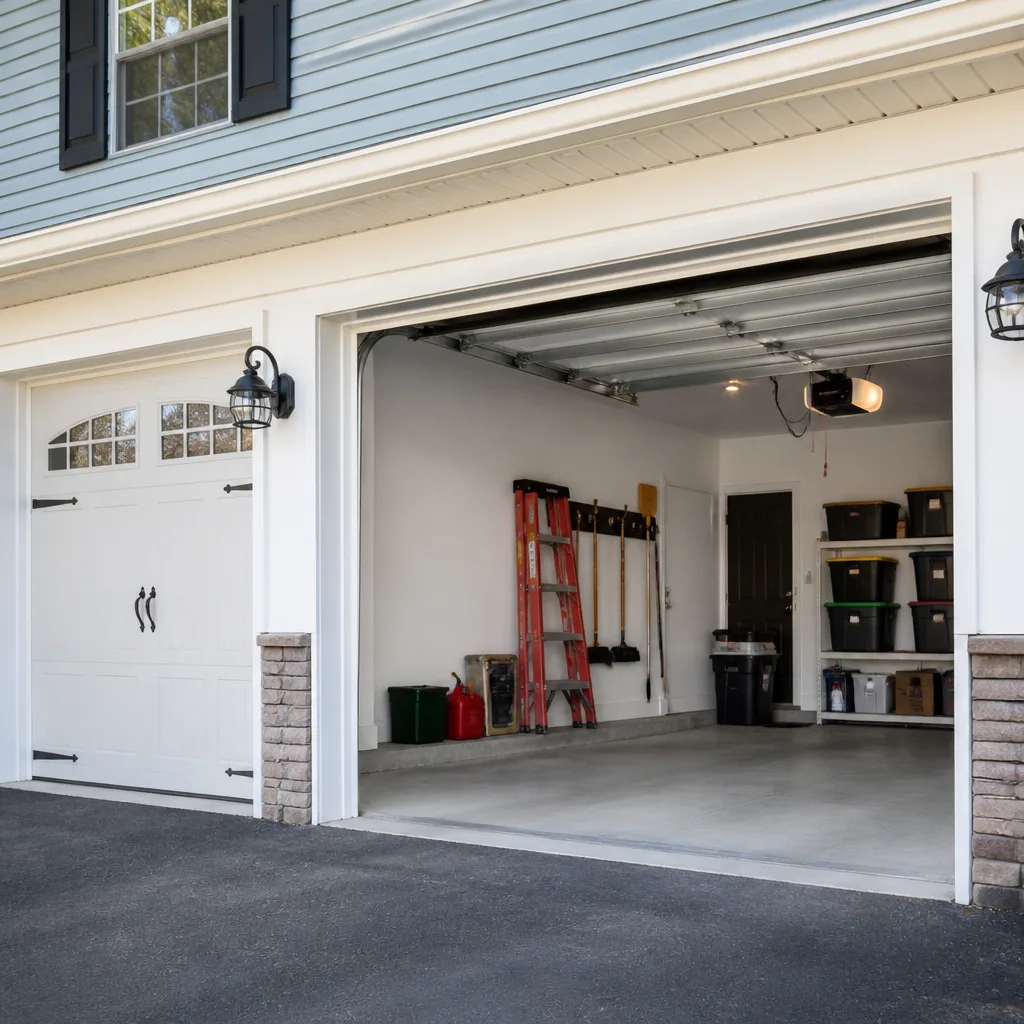 LiftMaster openers
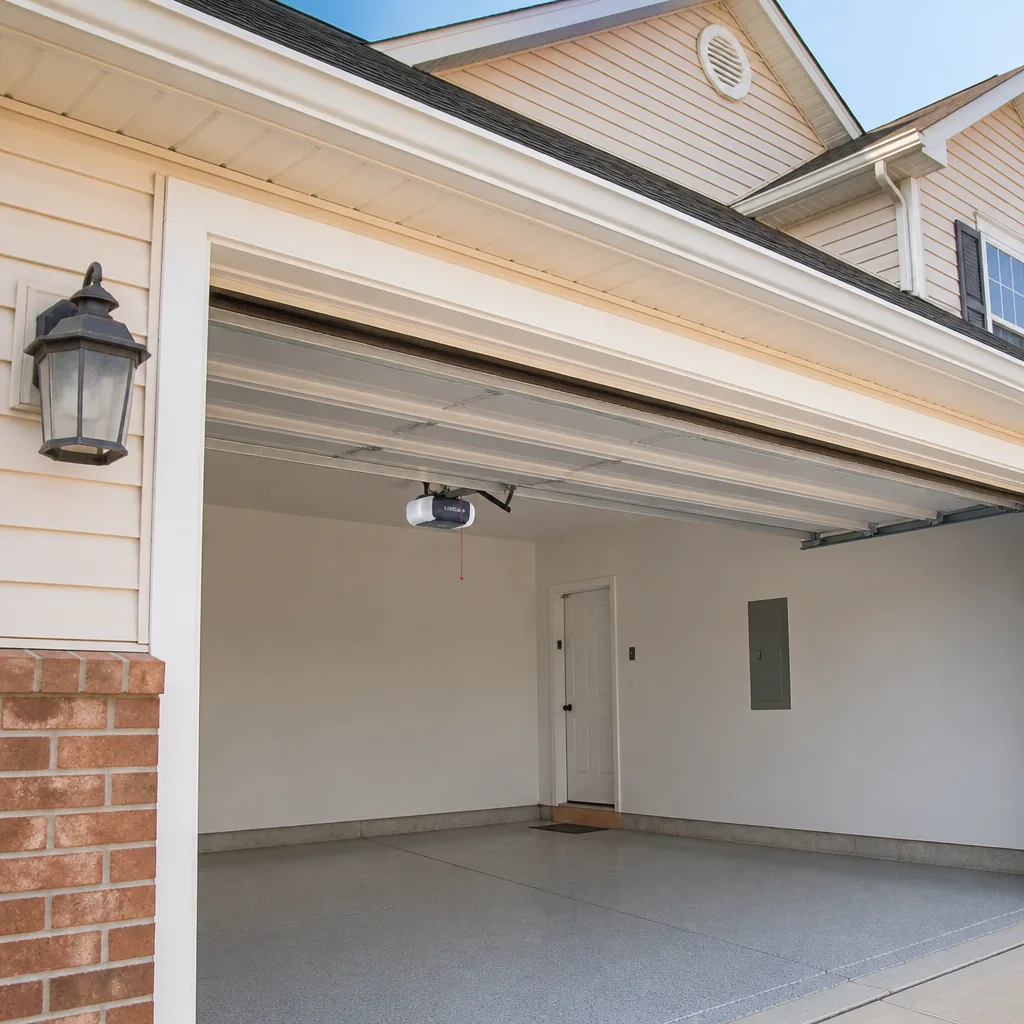 Chamberlain openers
Full 25-point door and opener safety check with every visit - springs, cables, rollers, tracks, and your LiftMaster or Chamberlain opener included
You get a price before we start. It does not change when the pro arrives.
Get your free estimateSeasonal Garage Door Care for Astoria: Year-Round Homeowner’s Guide
Most homeowners treat garage door maintenance as one annual chore: spray some lubricant, listen for weird noises, move on. That approach misses the actual problem. In Astoria, what breaks a garage door isn’t age or neglect. It’s the transition between seasons, when the metal your door has been quietly enduring all winter meets its first rapid warm-up and gives out. Or when summer humidity swells a wood panel enough to throw a track out of line. Each season here puts different stress on springs, tracks, openers and seals, and each one calls for a different short checklist. This guide walks through all four, tells you which checks you can safely do yourself, and which ones should send you to the phone.
Quick Answer
Seasonal garage door care in Astoria comes down to four short checklists, one per season. Before the first freeze, lubricate the springs, tracks and rollers and test the weatherstripping. After the last freeze, check for track shifts and rust that developed under snow. In summer, watch wood doors for humidity swelling and steel tracks for heat expansion. In fall, run the ordered pre-winter sequence before the February spring-call spike. Springs, cables and any opener work inside the motor housing are professional territory, not homeowner jobs.
Styles & brands we work with
- Raised-panel steel
- Carriage house
- Modern flush
- Full-view glass
- LiftMaster openers
- Chamberlain openers
Table of Contents
- Why Seasonal Transitions Matter More Than Any Single Inspection
- Winter in Astoria: What Sub-Freezing Cold Does to Your Door
- Spring: The Freeze-Thaw Checklist
- Summer: Humidity, Heat Expansion and Opener Drift
- Fall: The Pre-Winter Sequence That Prevents the February Emergency Call
- Which Seasonal Checks You Can Do Yourself
- Springs, Cables and Opener Housings: Why These Stay in Professional Hands
- How to Keep a Season-by-Season Calendar
Why Seasonal Transitions Matter More Than Any Single Inspection
A garage door isn’t a static object. It’s a balance of stored energy. The torsion springs above the door carry enough tension to lift several hundred pounds, and that tension moves with temperature like any other metal. When the door cools, the springs contract slightly and the tension changes. When the door warms, the springs relax. Do this dozens of times over a winter and the metal has been worked in a way that one annual checkup in spring can’t catch.
That’s where the real hazard lives. Late February and early March are the busiest weeks for broken spring calls in Astoria, and it’s not because of one cold snap. It’s because metal has been fatiguing all winter, and the first rapid temperature swing snaps what was already compromised. A spring that survived January at full tension may let go on the first 55-degree afternoon. This is why seasonal care beats annual care, every time.
The same logic applies to tracks, rollers, hinges and weatherstripping, all of which expand, contract, compress and relax as the year turns. A track that sat perfectly aligned in October may sit a few millimeters out of line by April. A weatherstrip that sealed tight in December may be leaving gaps by June. None of these are dramatic failures on their own, but together they lead to doors that bind, openers that strain, and homeowners who end up calling for garage door repair Astoria when a simple seasonal adjustment would have caught it.
In our experience working through Astoria’s seasons, the homes that avoid emergency calls are the ones where someone runs a short checklist at each change of season. Not a full inspection. Not a paid tune-up four times a year. Just fifteen minutes of looking and listening, four times, at the moments when the door is under the most stress.
Winter in Astoria: What Sub-Freezing Cold Does to Your Door
Once the temperature drops below freezing, three things change on your door all at once: spring tension, lubricant viscosity, and weatherstripping flexibility. Each one has a pre-freeze adjustment that heads off most winter failures before they start.
Spring tension. Cold metal is less flexible, and the tension that felt normal in October now pulls harder on already-fatigued coils. If your door sounds louder in December than it did in September, that’s not imagination. It’s the spring working harder against the same load. You can’t safely adjust a torsion spring yourself, but you can note the change and mention it when a technician visits.
Lubricant viscosity. Oil and grease thicken in the cold. A roller that ran smooth in autumn can drag by January, forcing the opener to push harder. Before the first freeze, wipe the tracks clean and apply a garage-door-specific lubricant. Skip motor oil, WD-40 (the standard formula) or anything marketed as a general-purpose grease. Those attract dirt and gum up.
Weatherstripping compression. The rubber or vinyl seals around your door frame go stiff in the cold and stop compressing as well. That means gaps at the bottom and sides. Cold air comes in. Warm air escapes. If your door was sealing fine last spring and isn’t now, run your hand along the bottom edge to feel for gaps and lift up any flattened sections before the freeze sets in. This is one of the easiest fixes on the entire door.
Before the first hard frost, walk around the entire door and do this:
- Wipe the tracks clean with a dry cloth.
- Apply garage-door lubricant to the torsion springs, hinges and roller stems (never the track itself).
- Test the weatherstripping at the bottom, sides and top.
- Run the door up and down twice and listen for grinding or scraping.
- Check that the safety reverse works by placing a roll of paper towels under the closing door.
Five minutes now, and you’ve cut your odds of a mid-winter call significantly. If your door has a LiftMaster or Craftsman opener, listen carefully to the motor during those runs. The belt or chain will sound different in cold weather, but it shouldn’t sound strained.
Spring: The Freeze-Thaw Checklist
Spring is when you find out what winter did. As the ground warms and the air temperature swings, everything that got compressed or shifted in the cold starts letting go all at once. Late February through March is when we see the most emergency calls in Astoria, and most of them trace back to something that was already compromised. If you want to avoid joining that list, run this checklist after the last freeze:
- Look for rust. Not just on the outside of the panels. Check the bottom edges of the door, the hinges, and any spot where snow piled up against the door over winter. Rust on those spots is what starts binding.
- Check track alignment. Stand at the door and look up both vertical tracks. They should be parallel and level with the wall. A gap that appeared over winter usually means a bracket shifted during freeze-thaw cycling.
- Look for uneven gaps at the bottom. If the door sits higher on one side than the other, either a track has shifted or a cable has stretched. Do not attempt to adjust either yourself. Both are professional territory.
- Test the balance by hand. With the door disconnected from the opener, lift it halfway and let go. A properly balanced door will stay put. One that drops or shoots up is a sign the spring tension has drifted.
- Inspect the weatherstripping again. The freeze may have left it cracked or pulled away from the frame. Both are simple to fix before summer.
If you want a second pair of eyes on any of this, an annual spring visit from a technician is money well spent. We work on the brands you already own, whether that’s a Wayne Dalton door from the 1990s or a Raynor installed more recently, and the spring checklist runs the same way for both.
Summer: Humidity, Heat Expansion and Opener Drift
Summer in Astoria brings its own set of failures. Humidity is the big one for wood doors, and it hits hard in the older housing stock along the Ditmars Boulevard and Astoria Heights stretches, where wood-panel doors from earlier decades are still in service. Wood absorbs moisture, swells slightly, and pushes against the frame. Panels can warp, paint can blister at the seams, and a door that opened smoothly in May may rub by July.
Steel doors and steel tracks respond to heat differently. Metal expands as temperature climbs, and a track that fit perfectly in April can bow a few millimeters by August. That’s enough to make rollers bind or make the door feel like it’s fighting something on the way up. If you notice the door opening slower in July than it did in spring, expansion is often the reason.
Opener sensitivity drift is the third summer issue. Most modern openers, including LiftMaster and Craftsman units, use sensors that monitor force and adjust on their own as conditions change. But they can drift far enough that the safety reverse stops working, or the door reverses halfway down for no obvious reason. Test it monthly in summer:
- Lay a roll of paper towels under the closing door. The door should reverse on contact.
- Break the electric eye beam with your foot. The door should reverse immediately.
- Watch the door travel for stops, jolts or speed changes.
If any of those tests fail, call for garage door opener repair. The internal parts of an opener, including the force adjustment screws and the logic board, are not things to poke at with a screwdriver.
For wood doors specifically, summer is the moment to reseal any panels where the finish has worn thin. A coat of paint or stain before the fall rain is far less expensive than replacing swollen panels in October.
Fall: The Pre-Winter Sequence That Prevents the February Emergency Call
Fall is the season that matters most. Everything you do now is insurance against the February spike. The order matters, and it’s short. Here’s the sequence we recommend to every Astoria homeowner:
- Wash and dry the door. Dirt and sap hold moisture against the surface and accelerate winter wear.
- Touch up any rust spots. Sand lightly, prime, and paint. Get to them before they spread.
- Lubricate the springs, hinges and roller stems. Not the track. Never the track.
- Check the weatherstripping. Replace any section that’s cracked, flattened or pulled away.
- Test the balance by hand. Disconnect the door and lift it halfway. It should stay.
- Test the safety reverse. Both the contact test and the eye test.
- Look up at the springs. Any visible gap, sag or color change is a call.
- Run the door up and down three times. Listen for anything new.
That’s the full sequence. Ten minutes if nothing needs fixing, twenty if something does. Homeowners who run it in October and November consistently make it through February without a call. Homeowners who skip it account for most of the emergency spring replacement calls we handle in Astoria every March.
If something fails during the fall check, this is also the right moment to plan ahead rather than be forced into a decision in the middle of a snowstorm. A planned garage door installation in the fall, if the door is genuinely at the end of its life, is much less stressful than a forced replacement in January.
Which Seasonal Checks You Can Do Yourself
There’s a clear dividing line in garage door work, and once you know it, seasonal care gets a lot simpler. On one side: cleaning, lubricating, testing, inspecting, sealing. On the other: springs, cables, opener internals, track straightening, panel replacement. The first list is safe for any homeowner. The second is not.
Genuinely DIY-safe:
- Wiping down tracks and applying garage-door lubricant to springs, hinges and roller stems
- Testing the safety reverse
- Inspecting the weatherstripping and replacing a worn bottom seal if you can reach it safely
- Washing and rinsing the door panels
- Touching up rust spots with sandpaper and paint
- Listening for new sounds and noting when they started
- Testing balance by hand (disconnecting the opener first)
Professional territory:
- Replacing torsion or extension springs
- Adjusting cables or drums
- Straightening or re-anchoring a track that has shifted
- Adjusting force or travel limits inside the opener housing
- Replacing hinges or rollers that have failed
- Replacing a panel that has warped or cracked
- Any work on a door that has come off-track
If a task made you pause and wonder whether it’s safe to do yourself, treat that pause as the answer. Call a technician. The door will still be there tomorrow, and you won’t be dealing with a tension release that could turn a routine repair into a hospital visit.
Springs, Cables and Opener Housings: Why These Stay in Professional Hands
Springs, cables and the inside of an opener are the three most dangerous parts of any garage door, and there’s a reason every technician who works on them treats them with respect. A torsion spring under load holds hundreds of pounds of force. That force doesn’t announce itself when it releases. A do-it-yourself spring swap is one of the more common ways homeowners end up with serious injuries, and it’s why we never walk a customer through it over the phone.
Cables are under the same kind of tension, and a cable that slips its drum while the door is up can whip with enough force to break bones. Track alignment looks deceptively simple, but a track that’s adjusted while the door is still connected to a live spring is a problem waiting to happen.
Inside an opener, the risk is different but real. The capacitor holds a charge even after the unit is unplugged. The force adjustment screws directly control how hard the door pushes against obstructions, and a small turn in the wrong direction can defeat the safety reverse without you realizing it. Modern units from LiftMaster and Raynor are safer than older ones, but they still command respect.
Our technicians have up to 9 years of experience and work on all the major brands, which means we’re not learning your door on the job. When a seasonal check turns up something that shouldn’t be a homeowner’s project, that’s exactly the call to make. Springs, openers, panels, tracks, we handle the whole door.
How to Keep a Season-by-Season Calendar
The simplest way to stay on top of seasonal care is to put dates on the calendar. Pick four weekends a year, one per season, and block out fifteen minutes. Skip Saturday if your schedule allows; Sundays or early mornings work fine. The point isn’t the exact day, it’s the reminder.
Here’s how we’d suggest laying it out for an Astoria home:
- Late fall (mid-October to mid-November): The full pre-winter sequence. This is the most important one.
- Late winter (late February to early March): Post-freeze checks. Also the highest-risk window for a snap, so pay extra attention to the springs.
- Early summer (June): Humidity check on wood doors, safety reverse test, and the monthly eye test for the rest of the season.
- Early fall (September): A dry run of the full sequence to spot anything that needs addressing before winter lands.
Add a monthly safety-reverse test on top of this and you’ve covered nearly everything. If at any point the door starts sounding different, moving slower, or refusing to stay where it should, that’s your trigger to call. Don’t wait for the next seasonal checkpoint. The door has already told you what it needs.
The homes in Astoria that sail through February aren’t lucky. They’re on a schedule. Any door can be brought into a state where seasonal maintenance is quick and boring, and once yours is, the whole calendar takes care of itself. If your door has been neglected for a season or two and you’re not sure where to start, a single visit will get you there.
Common Mistakes to Avoid
- Waiting for a failure before you do anything. The February spring-call spike happens because doors are left alone from October to March and then loaded into a cold snap. A pre-winter check four months earlier is what prevents it.
- Using WD-40 or motor oil on the tracks. Both attract dust and dirt, and the resulting paste grinds the rollers down faster than dry tracks. Use a proper garage-door lubricant on springs and hinges, and leave the tracks clean and dry.
- Assuming a louder door is just getting old. Noise is the door telling you something changed. Cold weather, worn rollers, a dry hinge, a spring under extra tension all sound different, and only one of them is normal.
- Adjusting track brackets with the springs still loaded. A homeowner who saw a YouTube video is more likely to make things worse than to fix the problem, and the failure mode isn’t a stuck door, it’s an injury. Track work belongs to a technician.
- Skipping the weatherstrip check in fall. A worn bottom seal lets cold air in and moisture under the door all winter. Replacing it in October costs far less than dealing with the damage in spring.
- Ignoring the eye sensors once they’ve been bumped. The electric eye that stops the door on contact gets jostled out of alignment easily. If the door reverses for no obvious reason, check the eye alignment before assuming the opener has failed.
- Replacing a door that just needs a repair. A noisy door with one failing spring doesn’t mean the whole door is done. A specialist diagnoses what actually failed. We work on the brand you already have, whether that’s Wayne Dalton, Raynor, LiftMaster, Craftsman or anything else, so replacement only comes up when it genuinely is the right answer.
If you’re already noticing symptoms that aren’t seasonal, our garage door repair page covers the most common failures and how each gets diagnosed. A seasonal check is often the moment those symptoms first become obvious.
See the difference
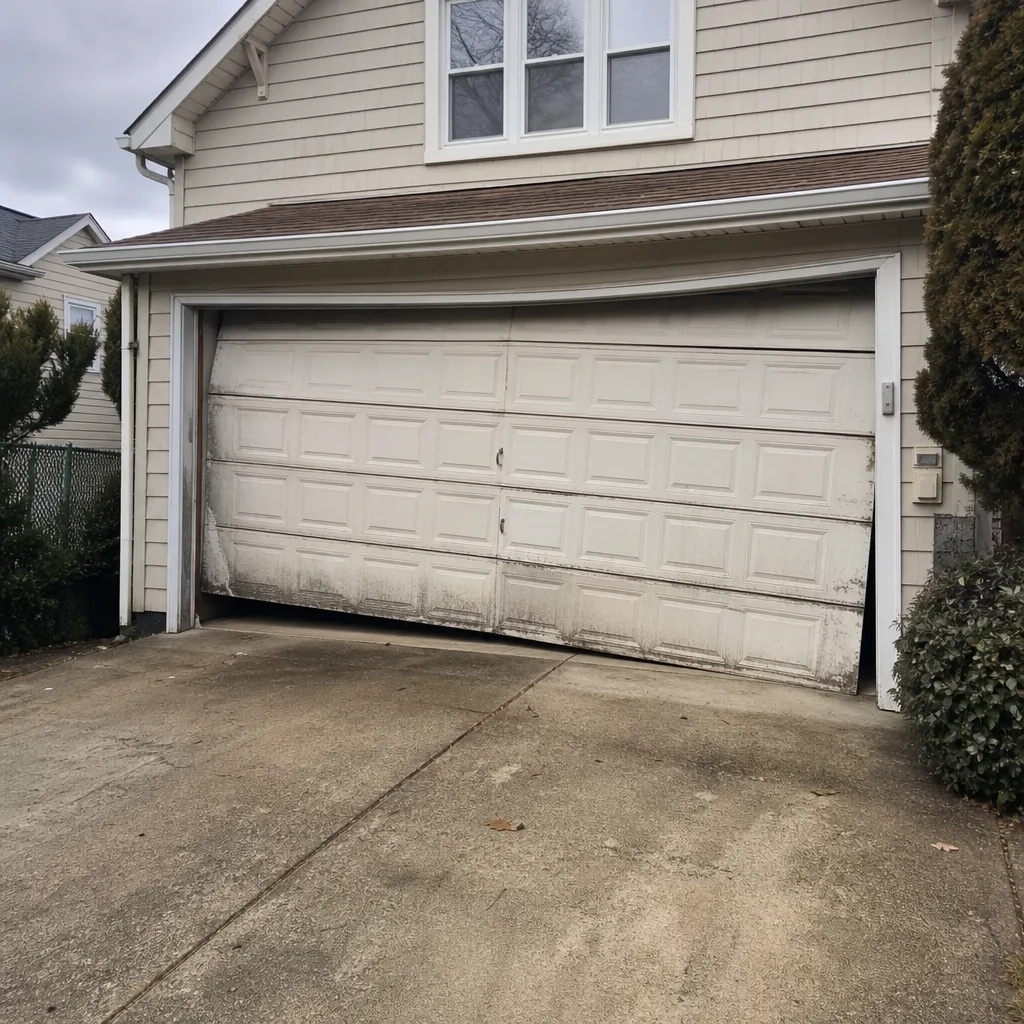 Before
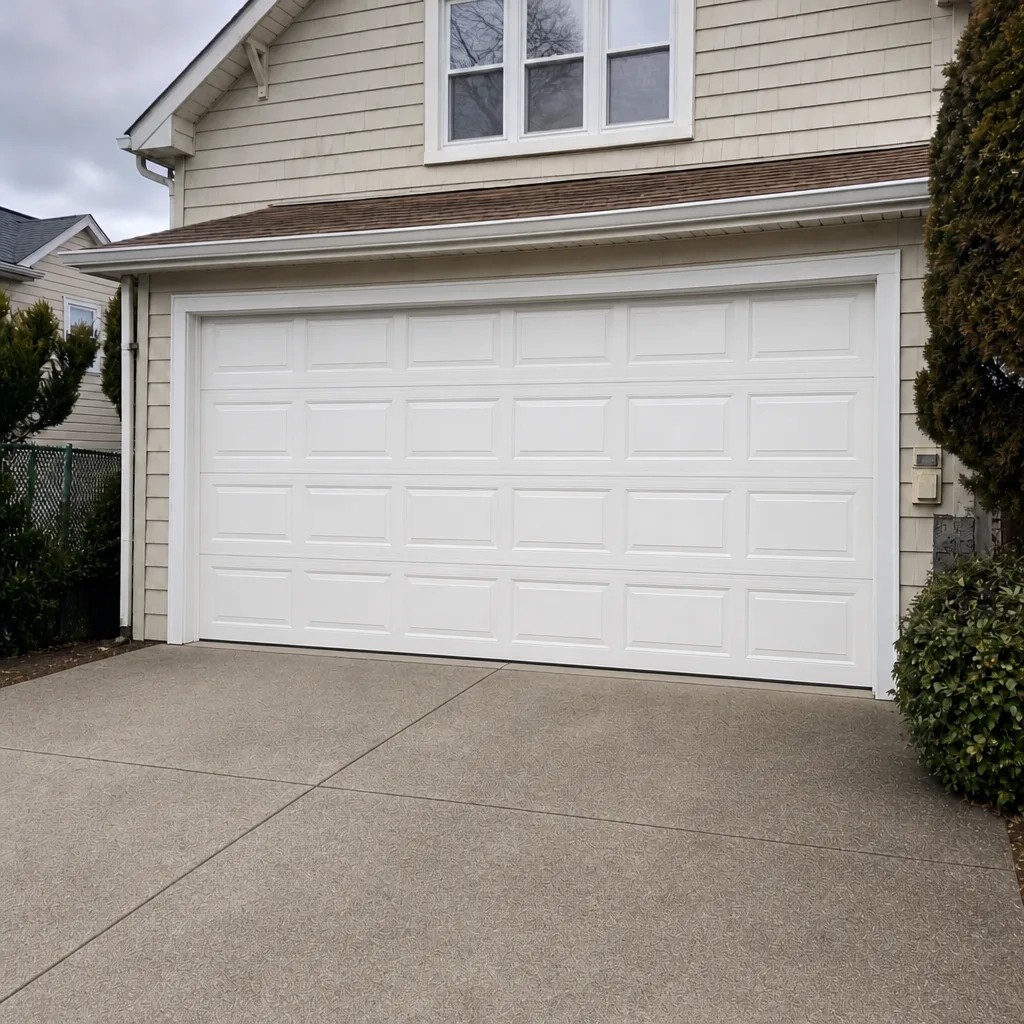 After
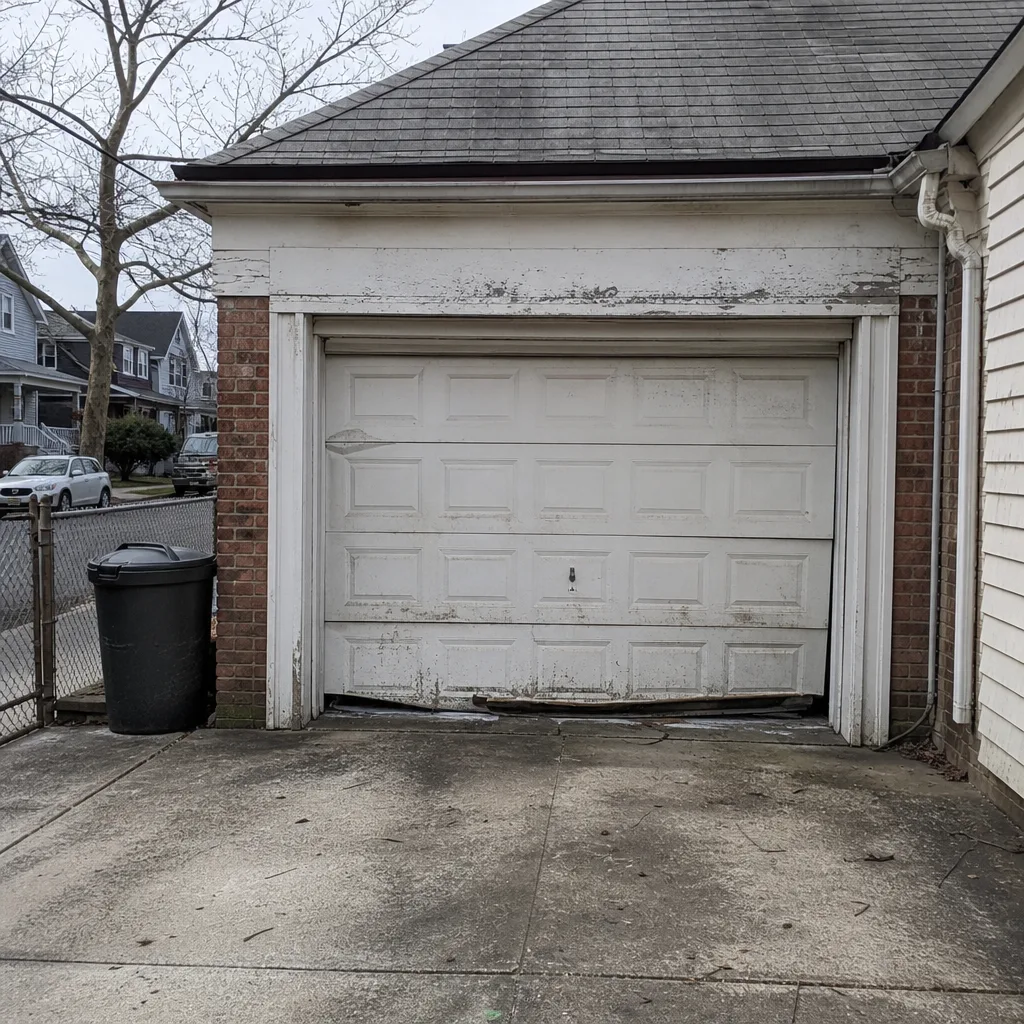 Before
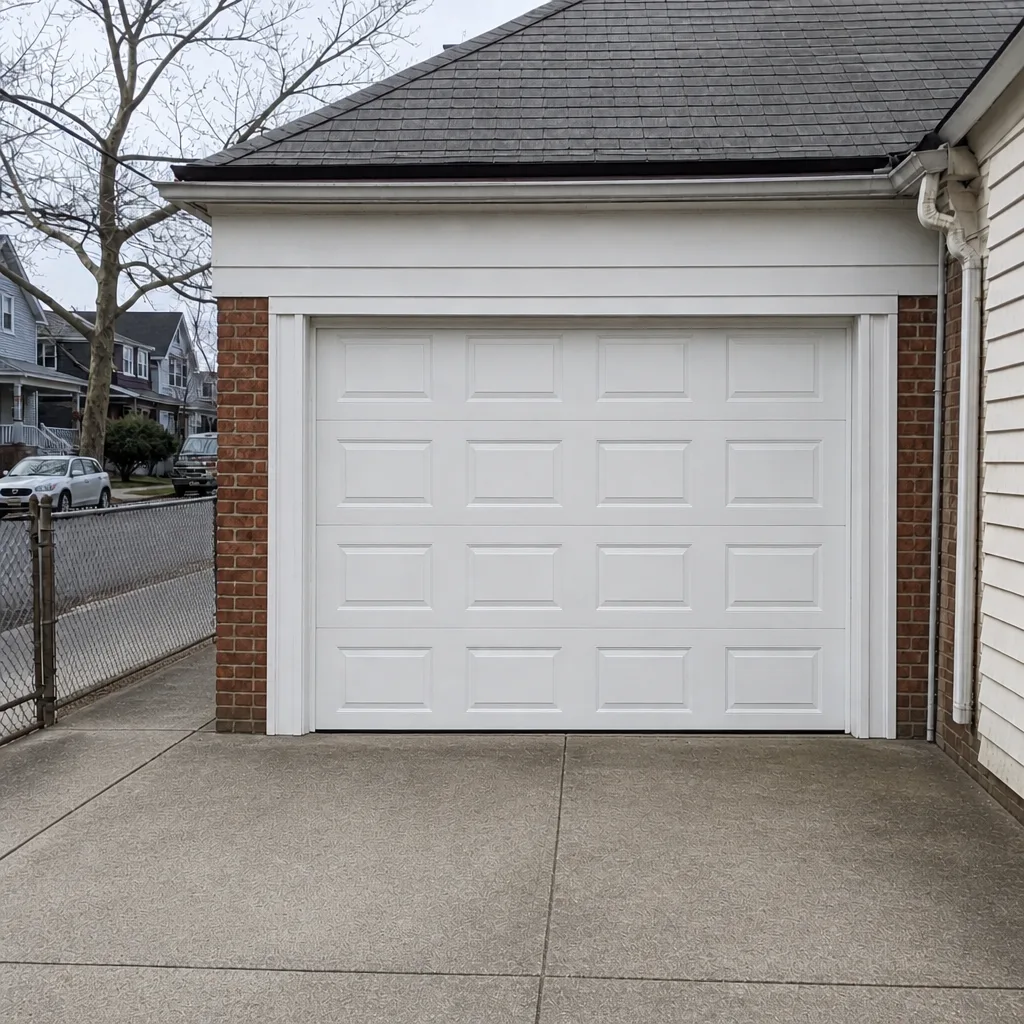 After
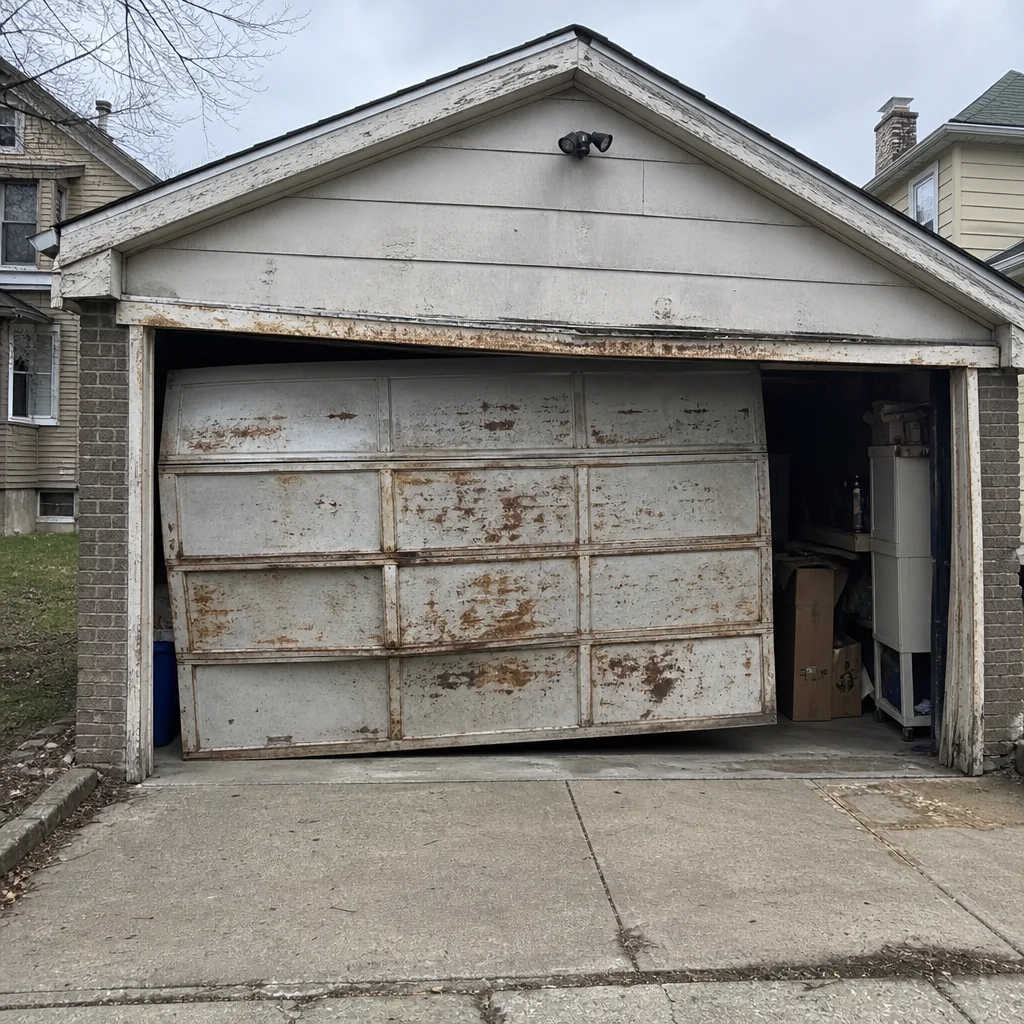 Before
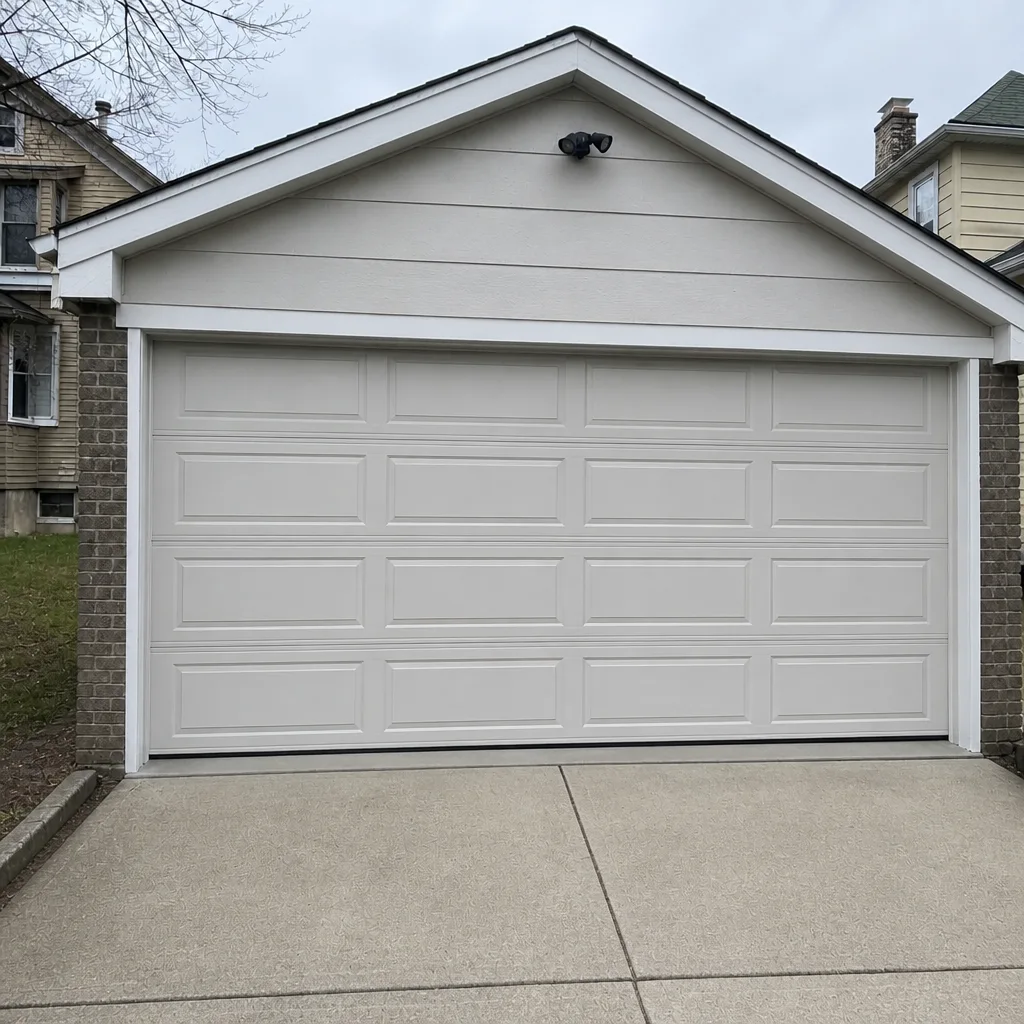 After
When to Call a Professional
Some situations are clear-cut. Any visible gap in a spring, a door that drops when lifted halfway, a cable that’s come off its drum, a door that has slipped its track, or a motor that refuses to run despite a power reset. Any of those is a call now, not a call at the next seasonal checkpoint. The door isn’t going to fix itself, and a small problem in March is a much bigger one by May.
The less obvious cases are worth flagging too. A door that suddenly sounds different than it did last month. A weatherstrip that keeps coming loose. An opener that reverses for no reason. A wood panel that’s starting to bow. None of these demand an emergency visit, but all of them point toward work that belongs to a technician. Garage Door Repair Astoria offers free estimates in Astoria. Call (866) 657-1039. We answer 24/7. Fast dispatch from 7am to 7pm, Sunday through Friday. The written estimate sets the price, and it’s agreed before any work starts.
Frequently Asked Questions
Once a year is enough for most doors, and the best time to schedule it is late fall or early winter, before the cold sets in. That timing catches spring fatigue, track issues and weatherstrip wear before winter stress adds to them. If your door is older, or you’re in an area of Astoria with a lot of freeze-thaw cycling in winter, twice a year is reasonable. Between professional visits, the four seasonal checklists in this guide cover most of what goes wrong.
No. Do not adjust your own torsion or extension springs. The springs hold hundreds of pounds of stored force, and both the release and the adjustment process can injure a homeowner seriously. Even experienced technicians handle springs with specific tools and procedures built around safety. If a spring is sagging, gapped, visibly fatigued or the door is out of balance when you lift it by hand, call a technician. That is exactly what garage door repair is for.
Cold weather thickens lubricant, stiffens weatherstripping and changes spring tension all at once. The result is a door that grinds, scrapes or pops more than it did in autumn. Some of that is normal and resolves with a fresh round of garage-door lubricant on springs and hinges. If the noise is new and loud, or if the door starts reversing partway, get a technician to look at it before the noise becomes a failure.
Spring replacement in Astoria typically costs $180 to $340 per spring, and most doors carry a matched pair that should be replaced together. A pair, therefore, usually runs about twice a single-spring price. The written estimate you get before any work starts sets the exact price, and that price doesn’t change once the technician has seen the door. Call (866) 657-1039 for an exact quote. Estimates are free.
No. The written estimate is the price. The technician inspects, quotes the job in writing, and agrees the number with you before any work starts. If a track turns out to need straightening, or a hinge needs replacing, that’s discussed and quoted before it happens. You never get an invoice bigger than the estimate you approved.
It can be. A door stuck open leaves the house unsecured. A door stuck closed traps the car inside. A broken spring in the middle of winter can leave the door unusable for hours or days depending on when you call. We offer emergency garage door service for exactly those situations. Call (866) 657-1039. We answer 24/7. Fast dispatch from 7am to 7pm, Sunday through Friday. A call outside dispatch hours is booked into the next opening.
Our technicians are factory-familiar with LiftMaster, Chamberlain, Genie, Clopay, Amarr, Wayne Dalton, Craftsman and Raynor. That matters for seasonal care because each brand has slightly different opener logic, spring types and track systems, and a technician who knows the brand doesn’t need to guess. We work on the brand you already have rather than pushing you toward a replacement because it’s unfamiliar. If your door is one of those eight, seasonal checks run smoother and repairs are faster.
Seasons genuinely change how your door performs. Springs under cold tension, tracks expanding in heat, wood swelling in humidity and weatherstripping stiffening in freezing weather all show up in what your door does from month to month. The reason we recommend seasonal checks over annual ones is that the specific failure mode changes with the season, and matching your checklist to the current stress is what actually prevents breakdowns.
The Bottom Line
Garage door care in Astoria is a four-season job, not a once-a-year chore. Before the first freeze, lubricate and check the weatherstrip. After the last, look for track shifts and rust under the snow. In summer, watch wood doors for humidity swelling and test the safety reverse monthly. In fall, run the ordered pre-winter sequence before the February spring-call spike. Gaps, balance failures, track problems and any opener work go to a technician. Everything else is yours, and it takes fifteen minutes. If the door has told you something this season, don’t wait for the next transition to hear it.
Garage Door Repair Astoria works on the brand you already have, whether that’s a LiftMaster opener, a Raynor door or something else entirely. Springs, openers, panels and tracks, we handle the whole door, and emergency service covers the situations where a failed door traps a car or leaves a home unsecured. Call (866) 657-1039 for a free estimate. We answer 24/7. Fast dispatch from 7am to 7pm, Sunday through Friday. Any price is quoted and agreed before work starts.
Written by the team at Garage Door Repair Astoria.