
Last updated November 21, 2026
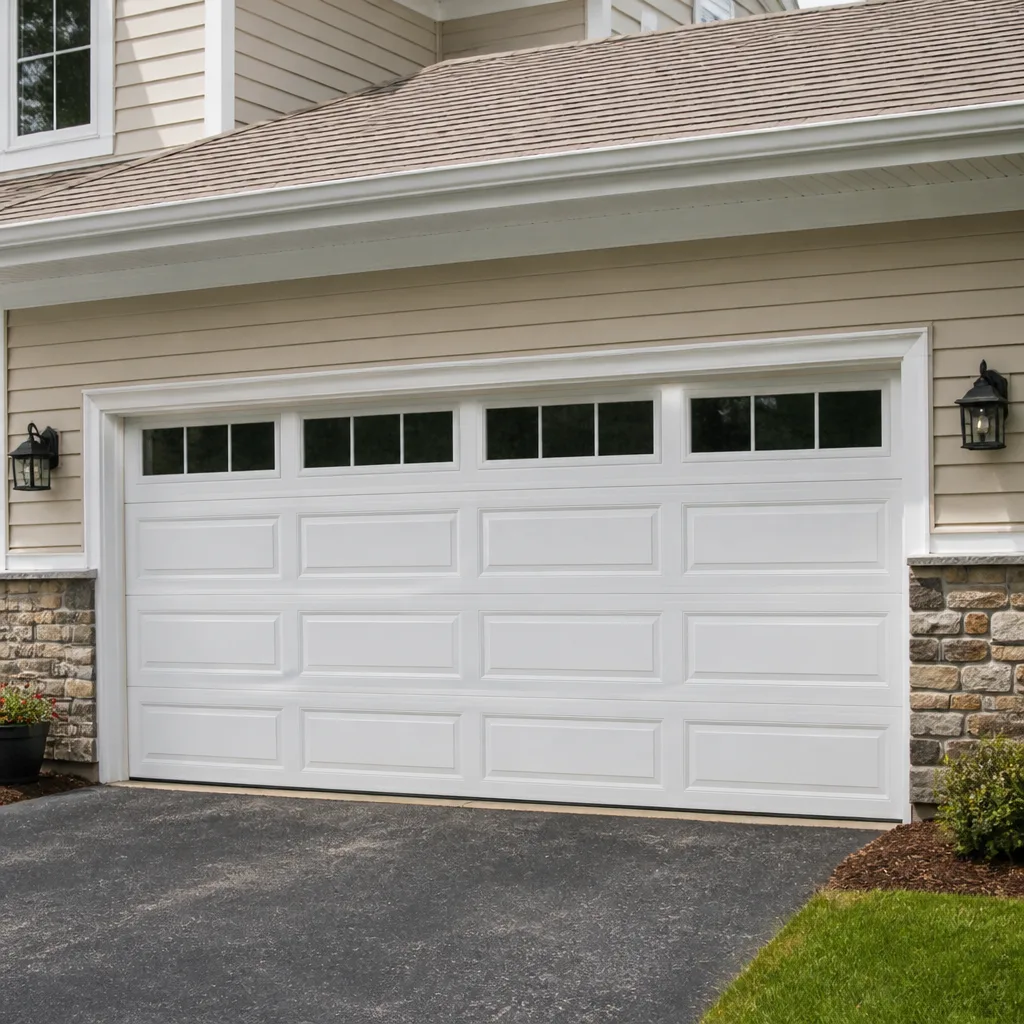 Raised-panel steel
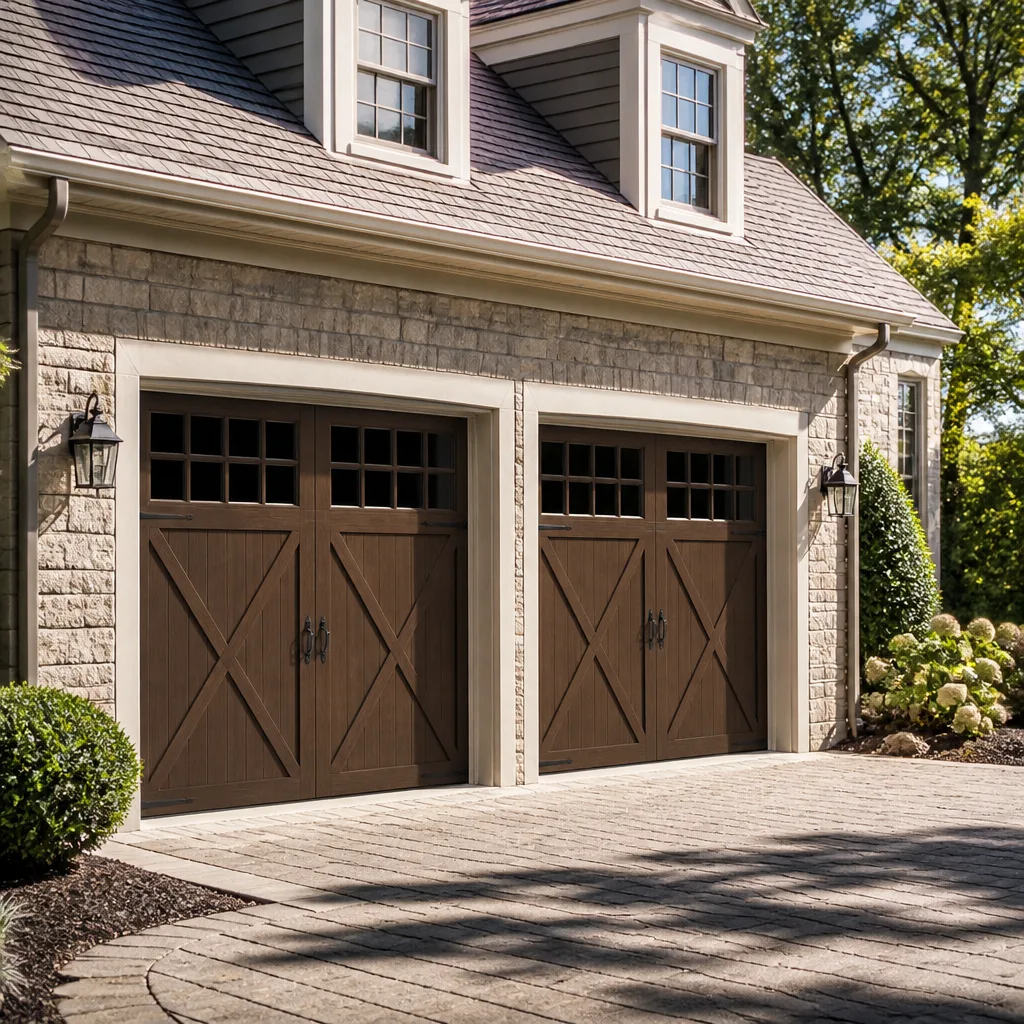 Carriage house
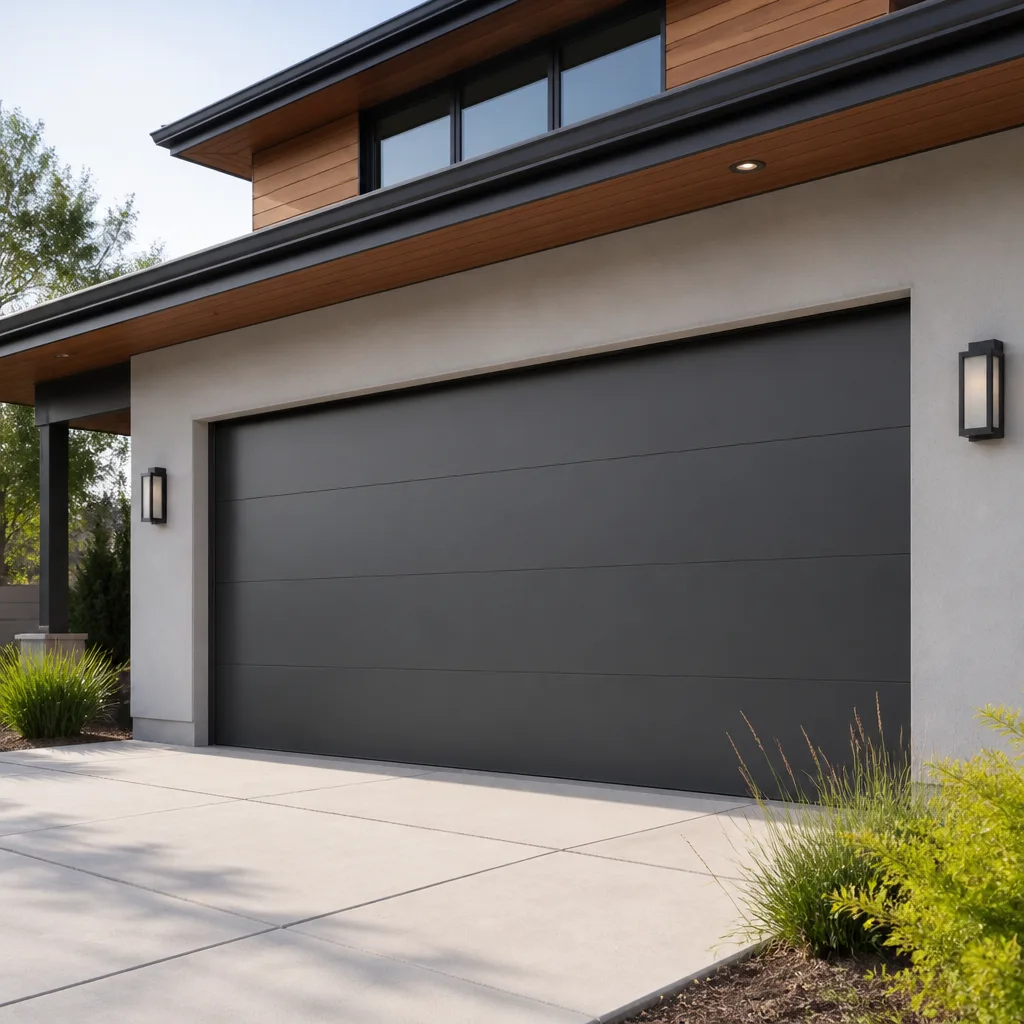 Modern flush
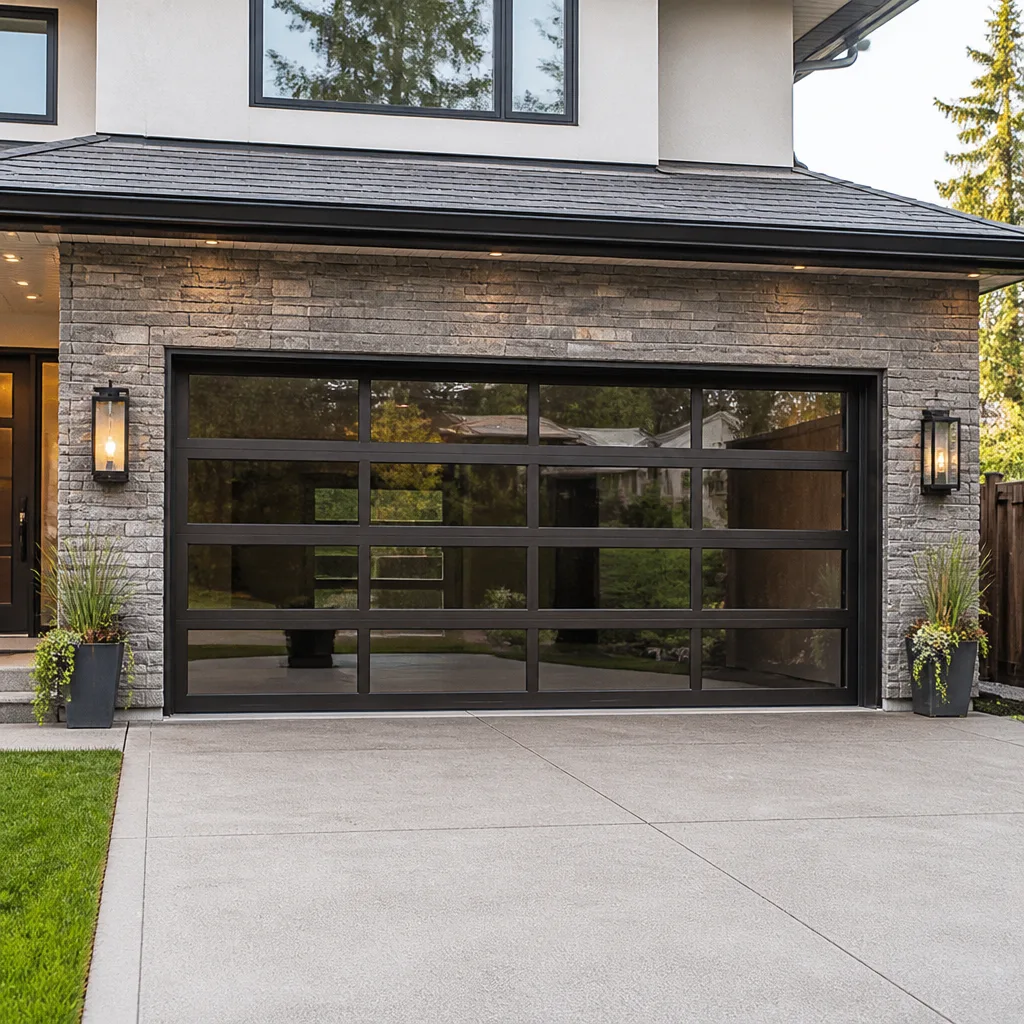 Full-view glass
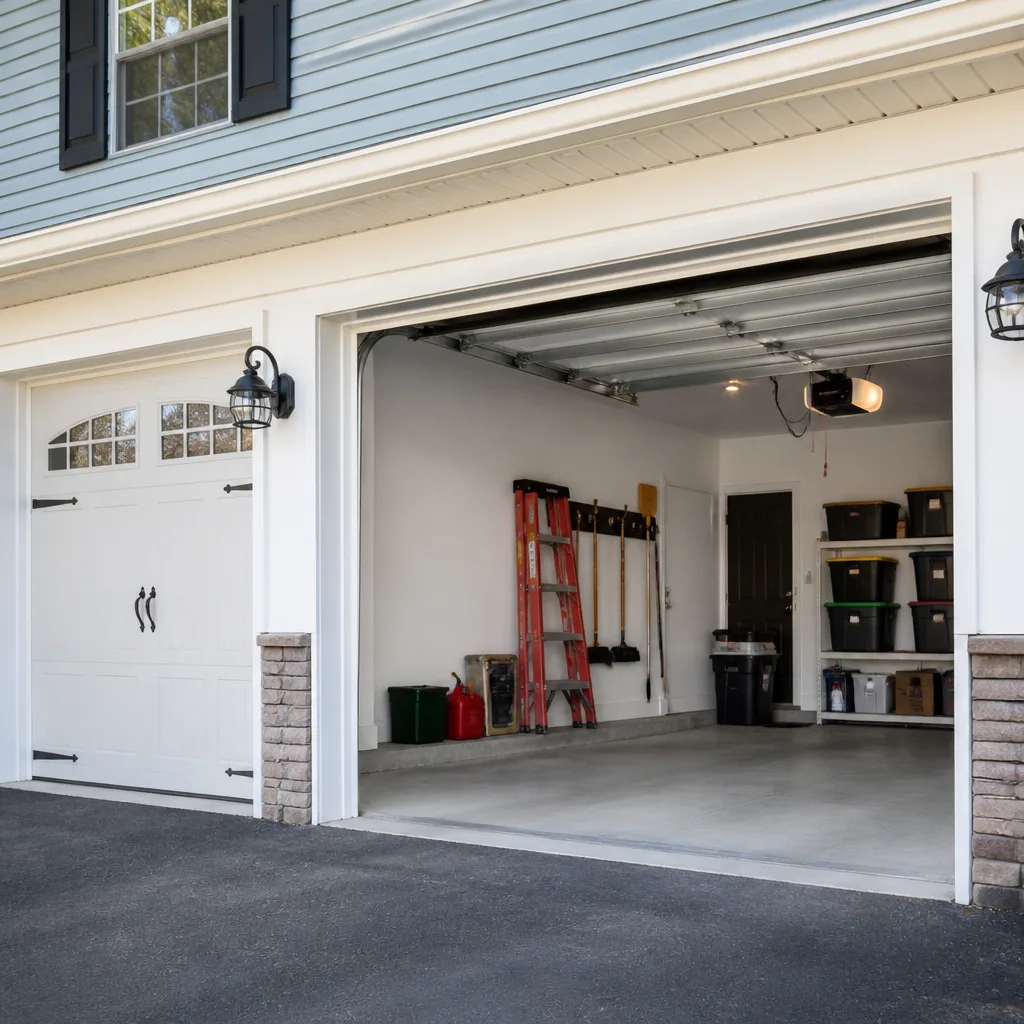 LiftMaster openers
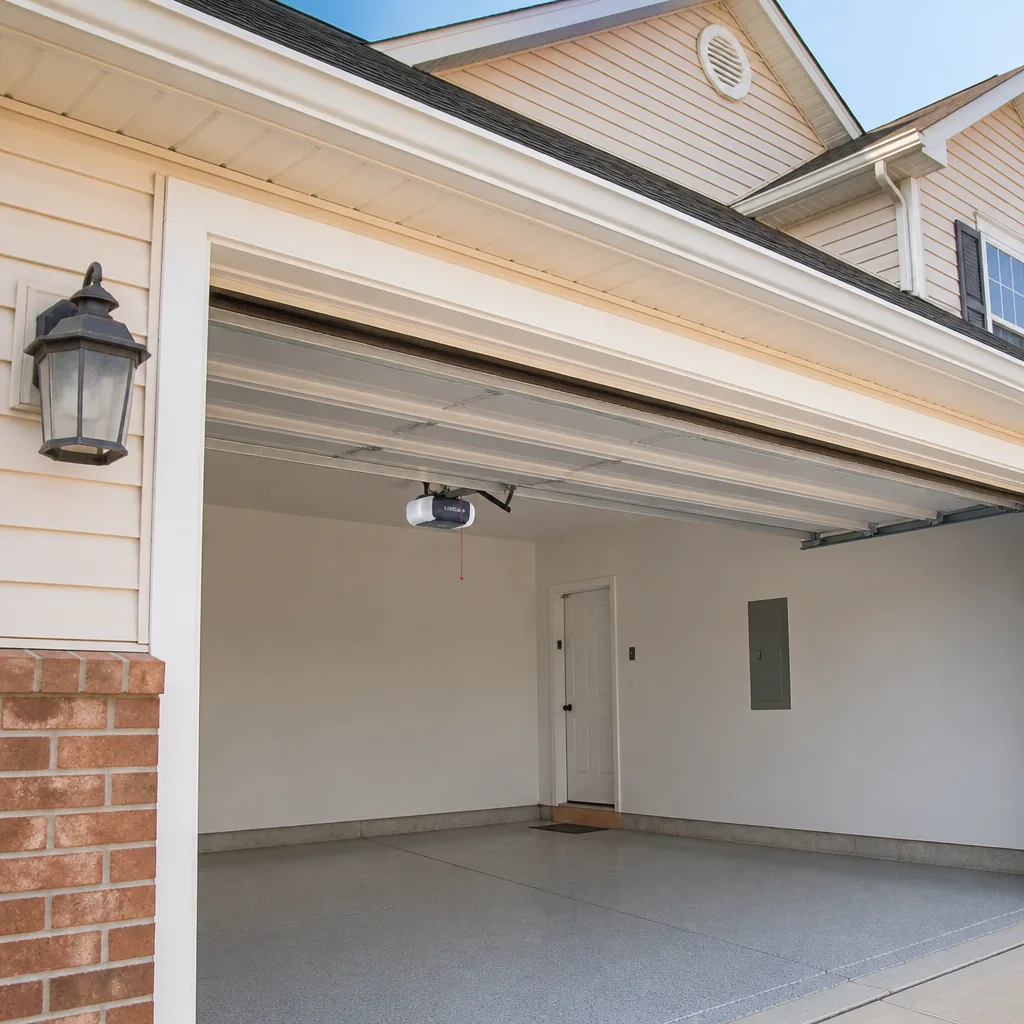 Chamberlain openers
Full 25-point door and opener safety check with every visit - springs, cables, rollers, tracks, and your LiftMaster or Chamberlain opener included
You get a price before we start. It does not change when the pro arrives.
Get your free estimateHow to Hire a Garage Door Contractor in Astoria: A Step-by-Step Guide
Most people hire a garage door contractor the same way they hire a handyman: they call whoever answers first, ask for a rough number, and take it. That works fine for a sticky lock. It falls apart on a torsion spring, an opener that keeps reversing, or a door that has jumped its track. A handyman quoting a spring replacement and a dedicated garage door technician quoting the same job are not interchangeable. The difference shows up in the parts they carry, the warranty they hand you, and whether they have seen a setup like yours before. This guide walks through what to verify, what to ask, and how to compare quotes so you know which one you’re actually getting. Astoria has no shortage of numbers to call. The trick is telling them apart before the door is on the floor.
Quick Answer
To hire a garage door contractor in Astoria, verify general liability insurance and workers’ comp before work starts, confirm the crew does garage doors as a specialty rather than as a side job, and ask for a written quote that names the exact parts, spring type, and opener model. Then compare quotes line by line, because a cheap number usually means a lighter spring, a thinner track, or a generalist guessing at your system. The written estimate should be the price you pay.
Styles & brands we work with
- Raised-panel steel
- Carriage house
- Modern flush
- Full-view glass
- LiftMaster openers
- Chamberlain openers
Table of Contents
- Why a Specialist Beats a Generalist on Garage Doors
- What Credentials to Verify Before Anyone Touches the Door
- Questions That Reveal Whether a Contractor Is a Specialist
- Red Flags in a Garage Door Quote
- How to Compare Quotes When the Specs Differ
- What a Real Warranty Looks Like
- Springs and Openers: Where Hiring Wrong Hurts Most
- When to Call a Professional
- Frequently Asked Questions
Why a Specialist Beats a Generalist on Garage Doors
A garage door is the largest moving object in most homes. It’s also the one component that combines high tension, precise counterbalance, and an electrical system in a single assembly. A general handyman can tighten a hinge or swap a photo-eye bracket. What they can’t do reliably is walk up to an unfamiliar door, read the spring system, and know whether the setup in front of them needs a specific wire gauge, a certain drum, or a matched pair of springs. That gap matters. The parts are not universal, and the tension figures aren’t guesses.
In our experience, the jobs that go wrong in Astoria tend to go wrong the same way: a generalist replaces one spring on a two-spring door, the door lifts uneven, and the opener burns out a month later. Or they swap an opener without checking the door’s balance first, so the new unit works harder than it should from day one. Neither failure shows up on the invoice. Both show up in your wallet later.
A specialist shows up already familiar with the systems that fill Astoria’s housing stock. The two- and three-family homes that line the blocks off Ditmars Boulevard and along 30th Avenue often have older doors with extension springs, while newer townhouse builds and the mixed-use buildings along Broadway tend toward torsion systems paired with modern openers. Knowing which is which before the truck rolls is the difference between a one-visit fix and a return trip.
The practical test is simple. Ask what brand of opener they see most often on this block. A specialist answers without hesitating. A generalist asks you what you have. That’s not a character flaw. It’s a sign they don’t do this every day.
If you already know what’s wrong and just need it fixed, the first move is a reliable Garage Door Repair Astoria call. If you’re still deciding who to hire, keep reading.
What Credentials to Verify Before Anyone Touches the Door
Before anyone climbs a ladder, three things should be in place: general liability insurance, workers’ compensation coverage, and a business that can show you both without a fuss. Garage door work is injury-prone by nature. A torsion spring under load can cause serious harm if it slips, and a door that drops while someone is under it is worse. Insurance protects you if something goes wrong on your property. Workers’ comp protects the person doing the work, and by extension protects you from liability if they’re hurt.
Here’s what to ask, in order:
- General liability insurance: Ask for the certificate of insurance. It should name the business and cover the work being done. A legitimate outfit provides this without complaint.
- Workers’ compensation: Confirm the crew is covered. If a contractor has employees and no workers’ comp, an injury on your property can become your problem.
- Business registration: Ask for the legal business name and confirm it matches the quote and the invoice. Shell names and cash-only operations are the ones that disappear when a warranty claim comes up.
- Local licensing: New York rules vary by trade and jurisdiction, and requirements change. Don’t rely on a website to tell you what’s required. Ask the contractor directly, and if you want to confirm, call the NYC Department of Buildings or your local licensing authority and ask what applies to this kind of work at your address.
One more local note. Astoria’s housing mix – from the older frame houses near Astoria Park to the larger multi-family buildings south of the Grand Central Parkway – means contractors work on a wide range of door types in a small radius. A crew that’s used to one building style isn’t necessarily ready for another. Ask whether they’ve worked on your door type before, and listen for a straight answer rather than a confident one.
Questions That Reveal Whether a Contractor Is a Specialist
You don’t need to know the answers to these questions. You need to hear how the person on the phone responds. Specialists answer from memory. Generalists get vague or hand you a number before they’ve looked at anything.
Ask these, in this order:
- “What spring system do you expect on a door like mine?” The answer should be one of two: torsion or extension. If they say “we’ll figure it out when we get there,” that’s not disqualifying, but it tells you they haven’t seen many doors in Astoria.
- “Do you replace springs in pairs when both are worn?” A confident yes is a good sign. Replacing one spring on a matched pair is a shortcut that fails sooner.
- “Which opener brands do you work on?” Listen for brand names, not generalities. We work on the brand you already have, and we’re factory-familiar with eight: LiftMaster, Chamberlain, Genie, Clopay, Amarr, Wayne Dalton, Craftsman, and Raynor. A contractor who names only one brand is often a dealer for that brand, not a repair technician.
- “What’s the warranty on the spring, and is it parts only or labor too?” Anyone can say “warranty.” The follow-up question is what it covers and for how long.
- “How long should this job take?” A spring replacement is a short job for someone who does it regularly. A new door is measured, ordered, and scheduled – it’s not same-day work. If the timeline sounds implausibly fast on an install, ask where the door is coming from.
- “Can you tell me what brand of opener was on the last job you did in Astoria?” This is the generalist test. A specialist has a memory to reach into. A generalist doesn’t.
The reason these questions matter so much for springs and openers specifically is simple. Springs are the most hazardous part of the assembly, and openers are the most brand-specific. An opener installed with the wrong rail, the wrong header bracket, or a mismatched torque setting will fail or damage the door. Knowing the brand and the model before arrival is how a specialist avoids that.
Red Flags in a Garage Door Quote
A quote is a document, not a promise. The language in it tells you a lot about who wrote it. Here’s what to watch for:
- No brand names on parts. A quote that says “spring replacement” without naming the wire gauge, the spring type, or the brand of the part is a quote you can’t compare. Ask for specifics before you sign.
- Vague scope of work. “Repair door” isn’t a scope. A real quote says what’s being replaced, adjusted, or left alone. If you can’t tell from the quote what the technician plans to do, you’ll find out – probably after they’ve started.
- Suspiciously fast timelines on an install. A new door needs to be measured, ordered, and scheduled. If a contractor says they’ll install a new door the same day you call, ask where the door is coming from and what brand it is. The answer matters.
- No written estimate before work starts. If someone wants to start before you’ve seen a written number, that’s a red flag, not a courtesy. The price should be quoted and agreed before anyone picks up a tool.
- A price that’s well below the others. Cheaper usually means a lighter spring, thinner track, or an opener that will age out early. On a torsion spring, the wire gauge alone is a meaningful share of the material cost.
- Pressure to replace instead of repair. A generalist who doesn’t recognize your opener brand may recommend a full replacement because they can’t confidently fix what’s there. A specialist works on what you already have.
- No address or business registration on the paperwork. If the only contact is a cell number and a first name, you’re not buying a warranty – you’re buying a hope.
None of these red flags guarantees a bad job. But any two of them together is enough to slow down and ask more questions.
How to Compare Quotes When the Specs Differ
The hardest part of hiring a garage door contractor in Astoria is comparing two quotes that look different on paper. One says “torsion spring replacement, $X.” The other says “matched pair of springs, high-cycle, $Y.” Those aren’t the same job, and the higher number isn’t automatically the better deal. You need to compare like for like.
Use this checklist when you have two or more quotes in front of you:
- Compare spring type. Torsion and extension springs are different systems and different jobs. Make sure both quotes are addressing the same system.
- Compare single vs. pair. On a door with two springs, replacing both at once is standard when both are worn. If one quote covers a pair and the other covers a single spring, they’re not comparable.
- Compare cycle rating on springs. A standard spring and a high-cycle spring cost different amounts and last different lengths. Ask what cycle rating each quote is using.
- Compare opener grade. A basic opener and a quiet, belt-driven unit are different products. If one quote includes an opener and another doesn’t, the comparison isn’t apples to apples.
- Compare track and hardware. A quote that includes new track, rollers, and hinges is a bigger job than one that only swaps springs. Check what’s in scope.
- Compare labor and warranty separately. Some quotes fold labor into the parts price. Ask for a breakdown, then ask what the warranty covers.
Astoria’s quote-to-quote gap on the same spring job usually comes down to wire gauge, cycle rating, and whether the contractor is charging for his unfamiliarity. A crew that has done the job a thousand times can do it faster and quote it more tightly. That’s not a discount. It’s the price of doing the job right the first time.
If you’re comparing quotes and one of them is for a full opener swap, make sure it’s a garage door opener repair level of scope before you sign off on a replacement.
What a Real Warranty Looks Like
A warranty is only worth the paper it’s written on if it covers the failure that actually happens. Most garage door warranty disputes aren’t about whether the door is broken. They’re about who’s responsible for the fix. That’s why the wording of the warranty matters as much as its length.
A legitimate warranty covers two things: the part itself, and the labor to replace it if it fails early. What you want to see in writing:
- Parts coverage with a clear period. The spring, opener, or door panel should have a named warranty period, not a range like “standard warranty.”
- Labor coverage for a defined window. If a spring fails within a reasonable time, the labor to replace it should be covered. Labor is often the bigger cost, so a warranty that covers parts only is worth less than it looks.
- Exclusions spelled out. Reasonable exclusions exist – damage from impact, alterations by another party, misuse. What you don’t want is a list so broad that nothing qualifies.
- Warranty tied to the invoice. The warranty should reference the invoice number, the part installed, and the date. A verbal warranty isn’t a warranty.
Warranty language designed to protect the contractor, rather than the homeowner, tends to be short on specifics and long on qualifiers. If the sheet uses a lot of “may” and “at our discretion” and no dates, ask for the real terms before work starts. The written estimate should be the price you pay. The written warranty should be the remedy you actually get.
Springs and Openers: Where Hiring Wrong Hurts Most
If you’re having work done on the panels, the rails, or the hinges, a generalist can usually handle it. Springs and openers are different. Those are the two areas where hiring wrong costs the most, and where a specialist’s knowledge is worth the price of the visit.
Torsion and extension springs hold a large amount of stored energy. Replacing them is the most hazardous, skill-intensive job on the whole door. It requires the right winding bars, the right technique, and a clear understanding of the system in front of you. A spring that’s the wrong wire gauge will lift the door unevenly. A pair that isn’t matched will wear one side faster than the other. And the safety stakes are real: anyone without proper training and proper tools is risking serious injury. We don’t recommend homeowners attempt spring work themselves. Call a trained professional instead.
Openers are the brand-specific side of the trade. LiftMaster, Chamberlain, Genie, Clopay, Amarr, Wayne Dalton, Craftsman, and Raynor units each have their own wiring, brackets, and torque settings. A specialist who works across all eight can diagnose the actual system rather than guessing, and can tell you whether a repair makes sense or whether a swap is the smarter call. If you’re thinking about a new door, that calls for a measured job rather than a repair – start with a garage door installation conversation so the door gets measured, ordered, and scheduled properly.
One more reason to hire a specialist for the whole door: the single-source approach. Repair, opener, springs, installation, and emergency response under one call means you never need a second provider. If something goes wrong on the repair you had done last month, the same crew that did the work can come back and look at it.
See the difference
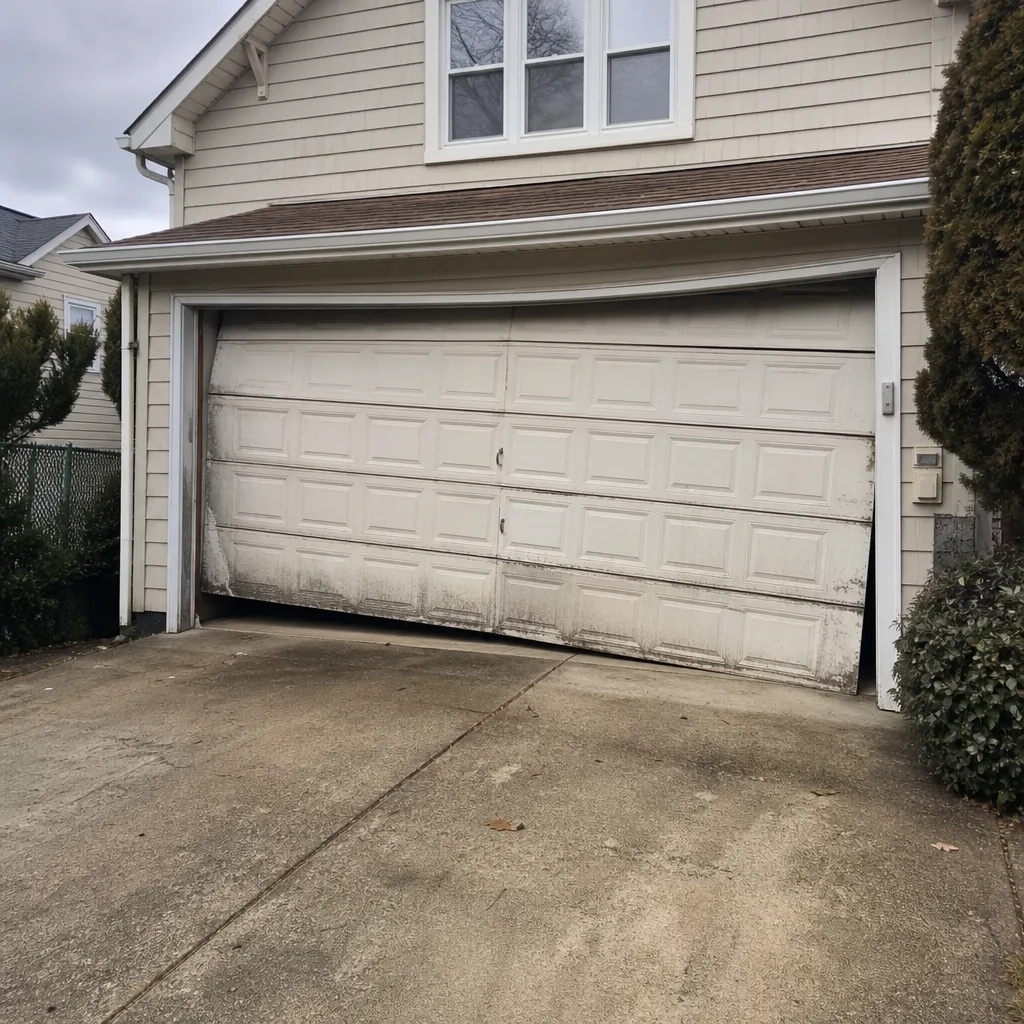 Before
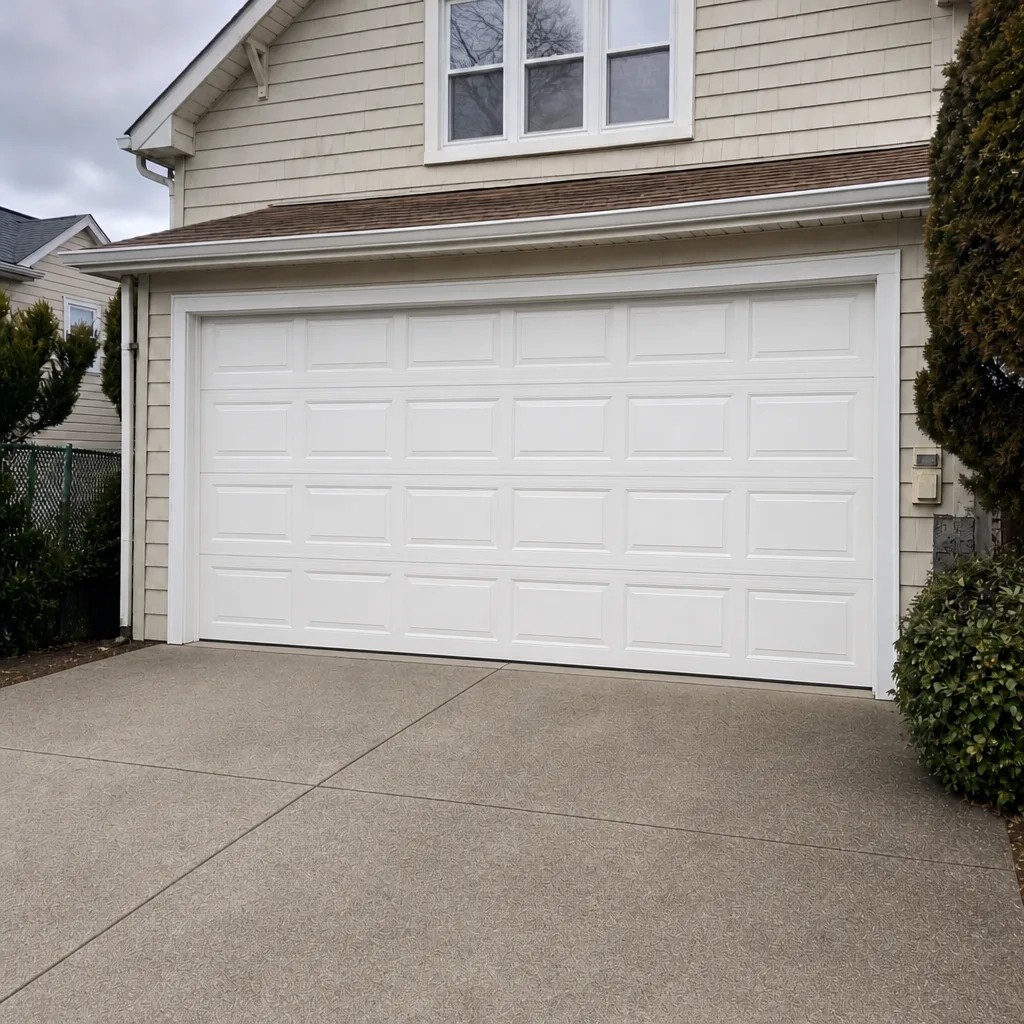 After
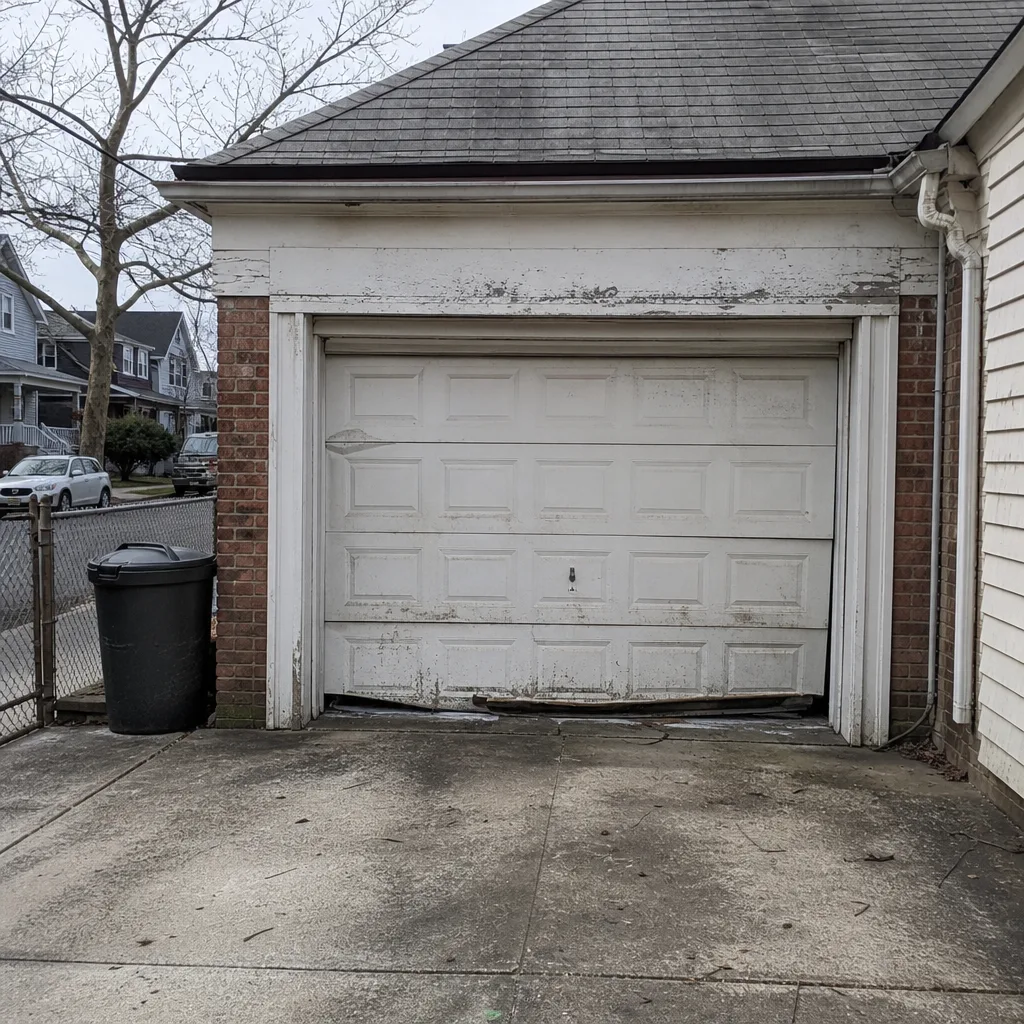 Before
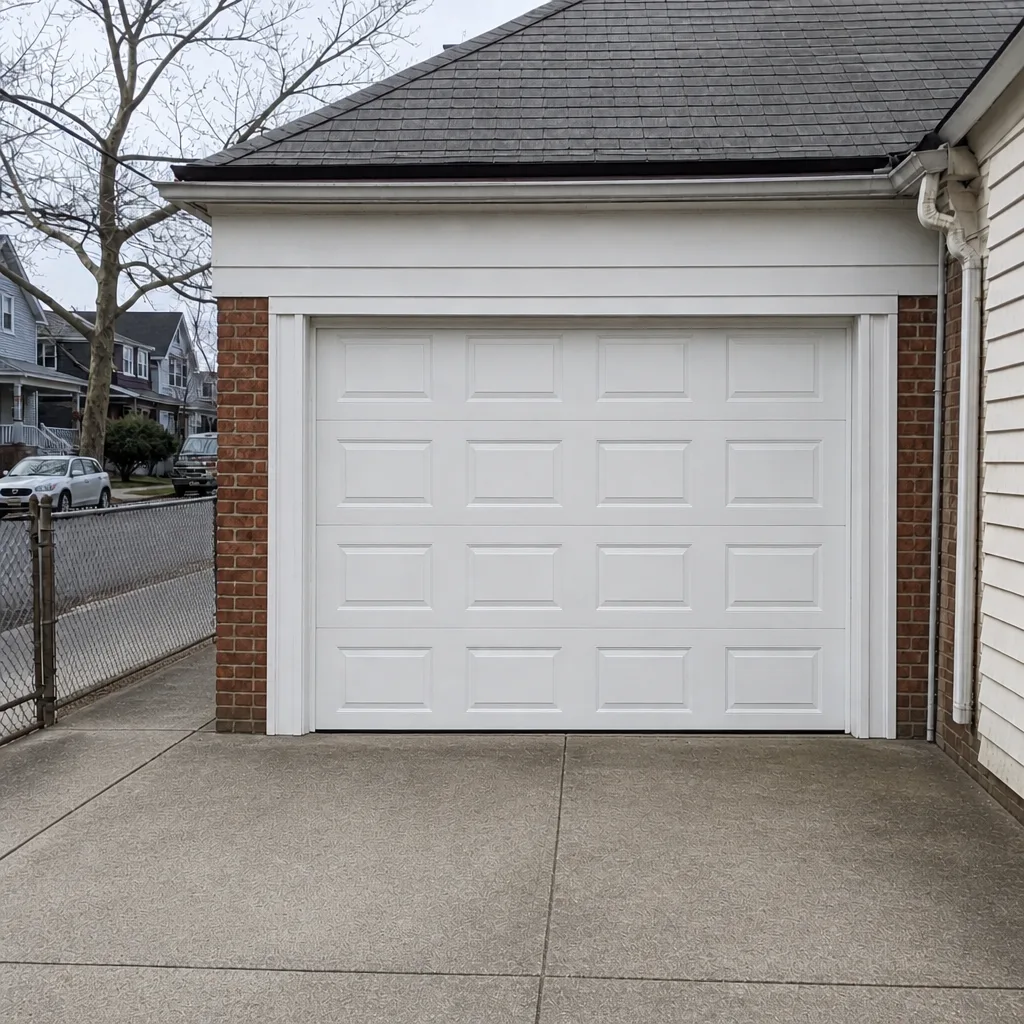 After
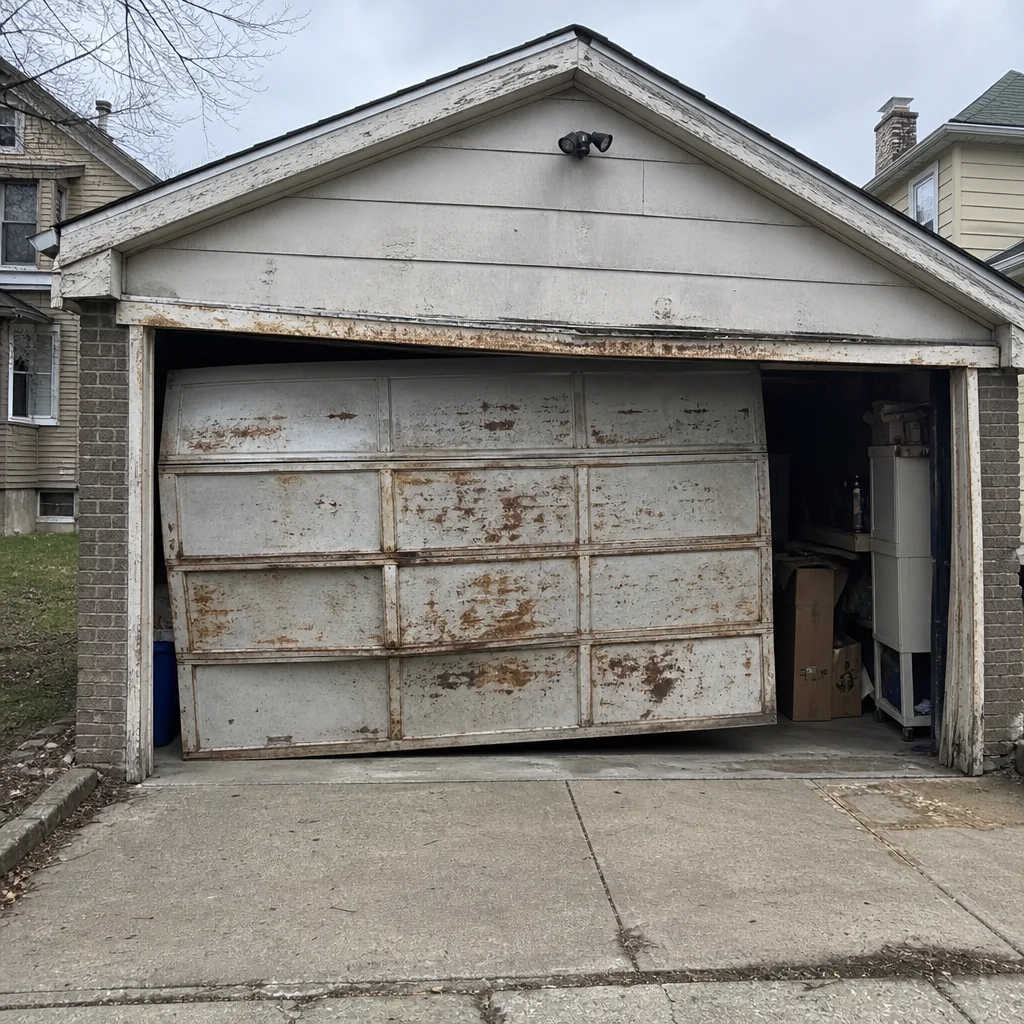 Before
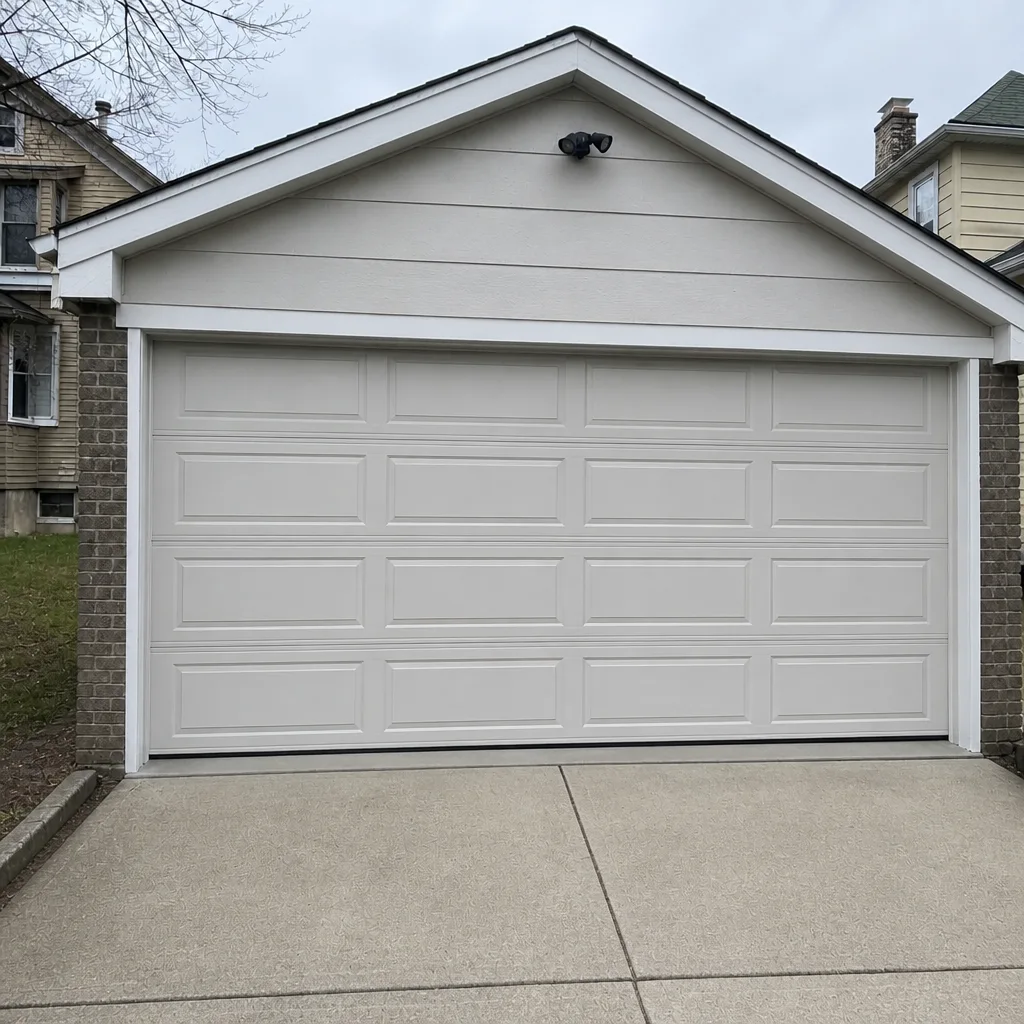 After
Common Mistakes to Avoid
- Hiring on price alone. The cheapest quote is usually cheaper because the parts are lighter or the scope is smaller. Read the quote before you read the price.
- Skipping the insurance check. In a dense Astoria neighborhood with a lot of two- and three-family homes, an uninsured crew is a real risk to you and the workers. Ask for the certificate of insurance before anyone shows up.
- Letting someone start without a written estimate. The price should be quoted and agreed before the first wrench turns. Any contractor who wants to “work out the details later” is a contractor you should not hire.
- Replacing a single spring on a matched pair. If both springs are worn, replace both. Replacing one leaves the other under more load and shortens its life.
- Buying the wrong opener at the big-box store and asking someone to install it. An opener that doesn’t match the door’s weight, the rail length, or the header bracket is not a bargain. Have the system checked before the purchase.
- Ignoring the warranty language. If the sheet doesn’t name the part, the period, and the labor coverage, you don’t have a warranty. You have a receipt.
- Assuming a handyman can do a spring job because it looks simple. A spring under tension is not a DIY job. Ask any technician who has done one.
When to Call a Professional
Some garage door issues are annoying but not urgent. A noisy roller, a hinge that needs a run of lubricant, a remote that needs a new battery. Those can wait. Other situations are time-sensitive and shouldn’t be left. A door that won’t close leaves the house open. A spring that has snapped means the door is dead weight on the opener. An opener that keeps reversing is a hazard to whatever is under the door.
If the door won’t move, the spring looks broken, the door is off its track, or the opener has stopped responding, that’s the moment to call. We answer 24/7 and run fast dispatch from 7am to 7pm, Sunday through Friday. A call outside dispatch hours is booked into the next opening.
Garage Door Repair Astoria offers free estimates in Astoria – call (866) 657-1039. Whether it’s a same-day repair or a scheduled install, we’ll give you a written price before any work begins.
Frequently Asked Questions
Costs vary with the door, the spring type, and whether one spring or a matched pair is being replaced, so the written estimate is the number that counts. The written estimate sets the final price, and it’s free. For an exact quote, call (866) 657-1039.
Same-day service is available for repairs, yes. A broken spring, an off-track door, or an opener that won’t respond can usually be handled in a same-day visit. A new door installation is a different job: it needs to be measured, ordered, and scheduled. Call (866) 657-1039 to check the next available window.
Ask what brand of opener they see most often, and listen to whether the answer is a specific brand or a shrug. A specialist answers from memory and can talk through spring types and opener models without checking. A generalist tends to ask you what’s installed. The questions in this guide will separate them quickly.
The written quote is the price, and it’s agreed before any work starts. If the technician finds something on arrival that wasn’t covered in the quote – a hidden issue or a part that needs replacing – they’ll stop and talk to you before touching it. No surprise invoices. For a free estimate, call (866) 657-1039.
The local pro is licensed and insured as their state requires, and we can provide the certificate of insurance before work starts. If you want to verify what applies to your building, call your local licensing authority or the NYC Department of Buildings. We’ll walk you through what to ask for.
We work on the brand you already have. We’re factory-familiar with eight of the industry’s leading names: LiftMaster, Chamberlain, Genie, Clopay, Amarr, Wayne Dalton, Craftsman, and Raynor. If you’re not sure what’s installed, we can identify it in person. To book a call, dial (866) 657-1039.
The Bottom Line
The difference between a generalist and a garage door specialist shows up in three places: the parts they carry, the questions they answer without hesitation, and the warranty they hand you in writing. In Astoria, the easiest way to tell them apart is to ask about spring types, opener brands, and warranty terms before anyone shows up. Then compare quotes line by line, because a cheaper number usually means a lighter part or a smaller scope. Verify the insurance, get the written estimate, and keep the certificate of insurance on file. If you’re ready to book, call (866) 657-1039 for a free estimate. We answer 24/7 and run fast dispatch from 7am to 7pm, Sunday through Friday.
Written by the team at Garage Door Repair Astoria.