
Last updated November 21, 2026
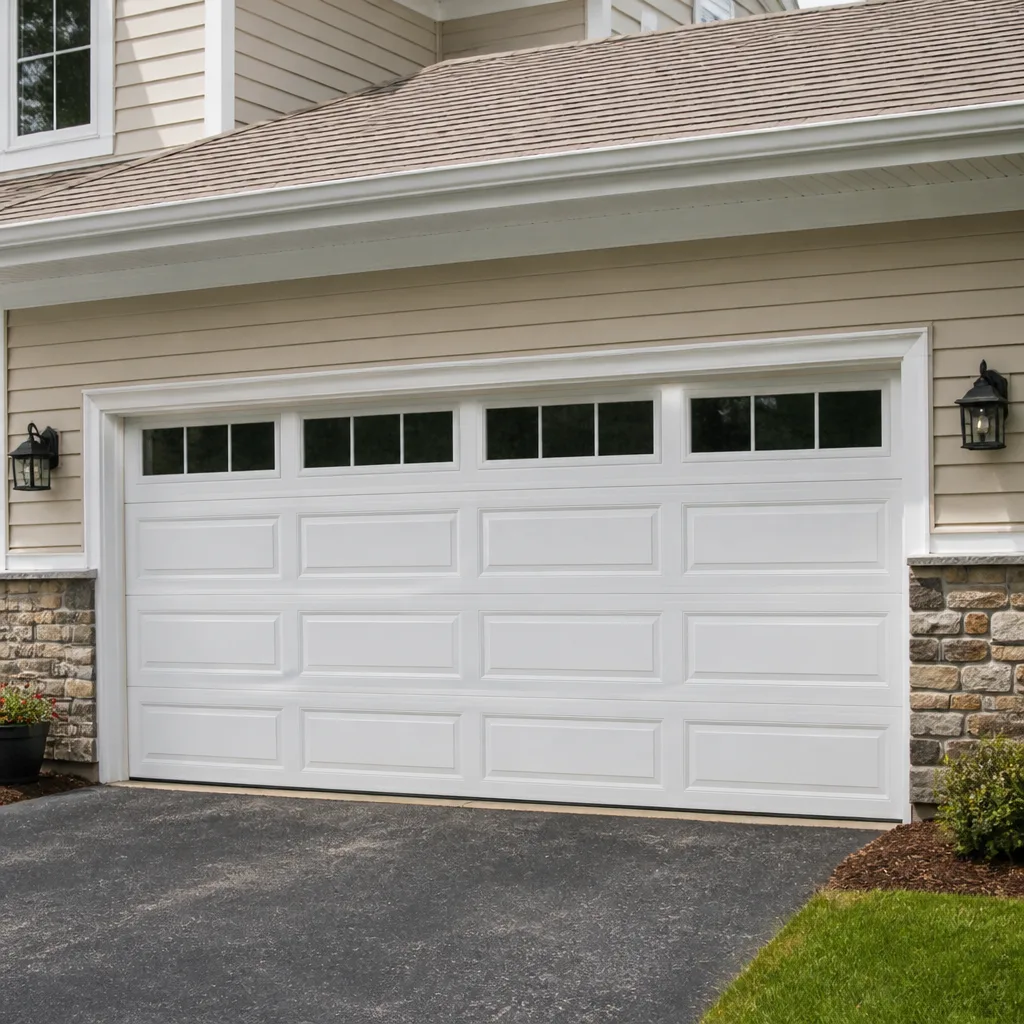 Raised-panel steel
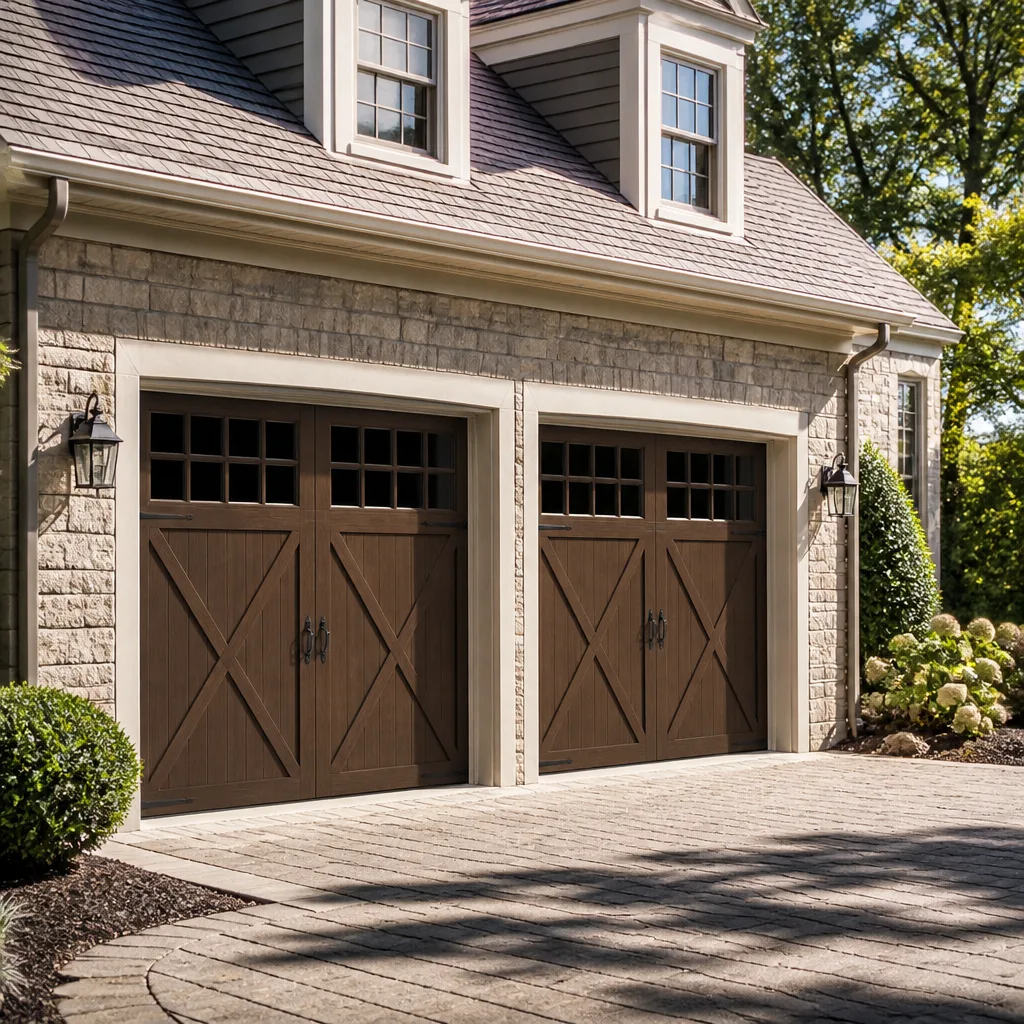 Carriage house
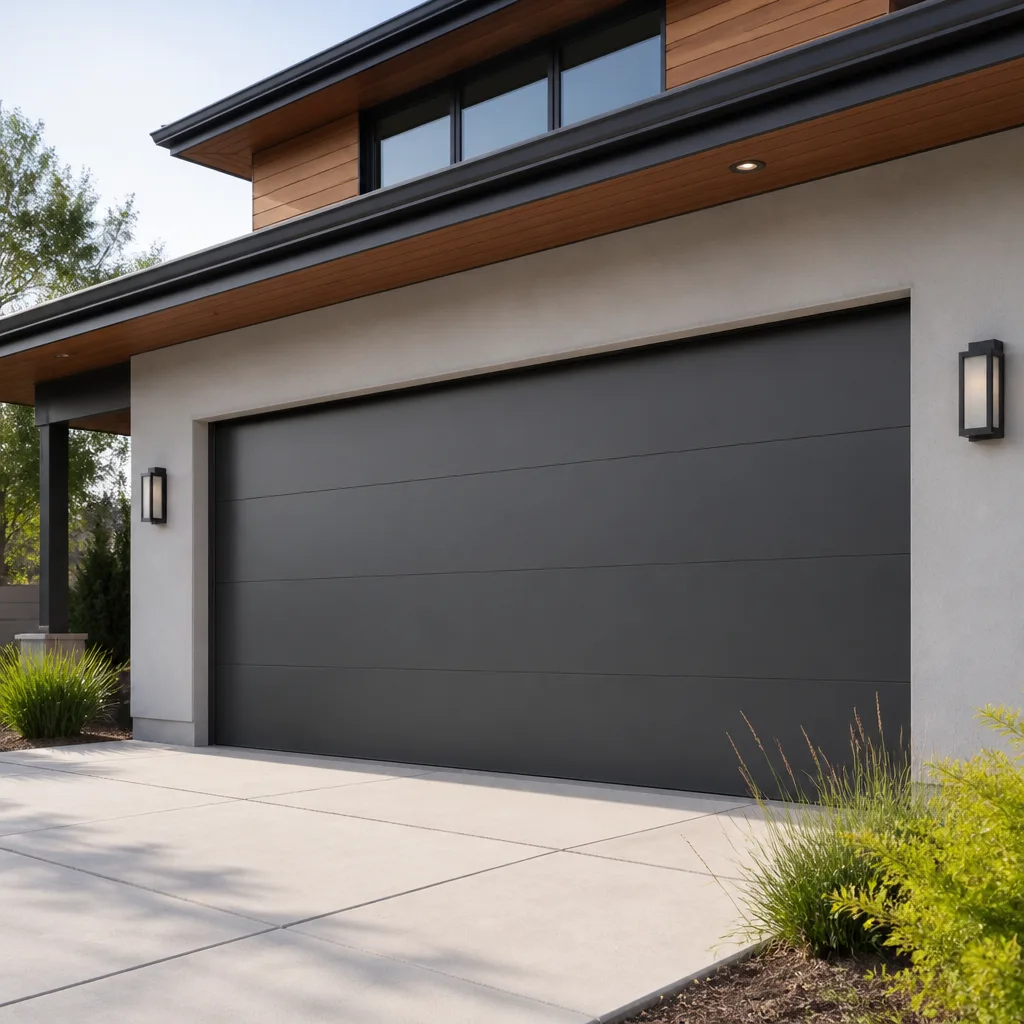 Modern flush
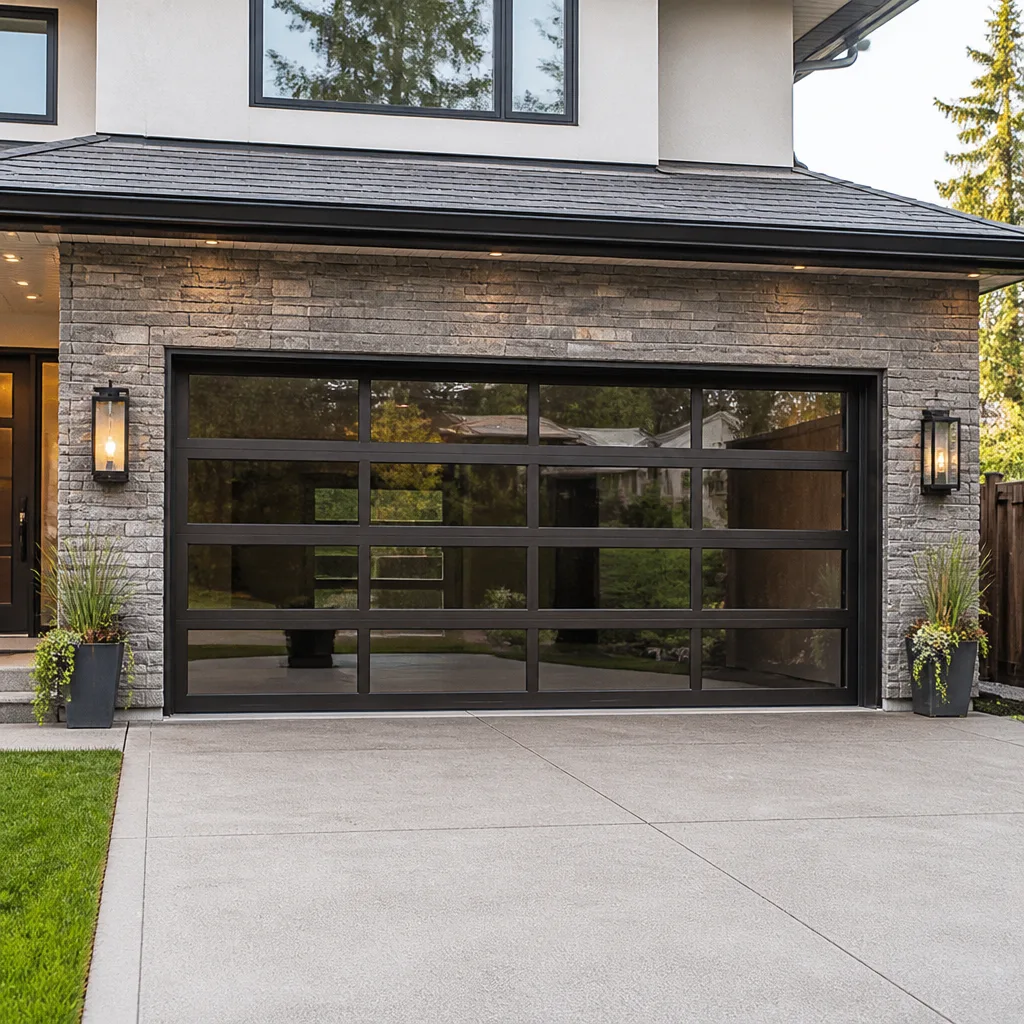 Full-view glass
 LiftMaster openers
 Chamberlain openers
Full 25-point door and opener safety check with every visit - springs, cables, rollers, tracks, and your LiftMaster or Chamberlain opener included
You get a price before we start. It does not change when the pro arrives.
Get your free estimateGarage Door Warning Signs: An Astoria Homeowner’s Reference Guide
A garage door that hesitates for two seconds before it moves isn’t “a little slow.” It’s an opener fighting a mechanical problem, and every cycle it runs that way costs the motor life. We get called to Astoria homes where a grinding noise went on for months before the door finally stopped, and the repair at that point is often bigger than it needed to be. The signs below aren’t hidden. They’re just easy to explain away until the door quits on a workday morning. This guide gives each symptom a failure timeline and a consequence, so you can decide whether to watch it or call someone. It covers sound, movement, and visual clues, plus how to triage what’s urgent.
Quick Answer
The warning signs that matter most are a torsion spring with a visible gap, frayed or kinked cables, a door that jerks or travels unevenly, grinding or popping sounds during operation, and a door that reverses on its own or won’t stay closed. A broken spring or damaged cable means stop using the door and call a professional. Slower-than-usual movement, squealing rollers, and a two-second hesitation are reasons to schedule a repair soon, not to ignore. In Astoria, where many homes have older doors and openers, catching these early usually means a smaller job.
Styles & brands we work with
- Raised-panel steel
- Carriage house
- Modern flush
- Full-view glass
- LiftMaster openers
- Chamberlain openers
Table of Contents
- What Each Garage Door Sound Is Telling You
- Movement Problems and What Causes Them
- Visual Signs on Springs, Cables, and Rollers
- How to Triage: Stop Now or Schedule Soon
- Why Intermittent Problems Are the Most Dangerous
- Opener Warning Signs You Shouldn’t Ignore
- What Astoria Conditions Do to a Garage Door
- Common Mistakes to Avoid
What Each Garage Door Sound Is Telling You
Noise is the earliest signal a garage door gives, and different sounds point to different parts. We work across LiftMaster, Chamberlain, Genie, and Craftsman openers every week in Astoria, and once you learn the sound a system makes when it’s healthy, the ones that mean trouble get obvious fast. Here’s what each noise usually indicates at the component level.
- Grinding: Metal on metal somewhere in the system. Often worn rollers with flat spots, a dry or failing bearing, or the opener’s gear assembly. Grinding that gets louder over time is the clearest sign of a part wearing down rather than a fluke.
- Popping: A sharp pop when the door starts moving is frequently the torsion spring catching. It can also mean a cable jumping a drum. Treat a repeating pop as a stop-and-inspect sign.
- Rattling: Loose hardware, a slightly bent track, or a hinge that’s worked free. Rattling alone is rarely an emergency, but it loosens the whole assembly if left alone.
- Squealing: Metal parts that have lost lubrication, usually rollers, hinges, or the opener rail. Easy to address early and easy to let get worse.
- Banging: The door is hitting something as it travels, often a misaligned track or an object obstruction. A bang on closing is a safety concern.
If you can’t place a noise, don’t guess. One look at a spring or cable by a technician who does this every day settles it in minutes. Our technicians have up to 9 years of experience, and the training that matters most with sound is hearing it in person rather than describing it over the phone.
Movement Problems and What Causes Them
Movement tells the story that sound doesn’t. A door that moves smoothly and evenly is telling you the springs, cables, and track are in balance. A door that jerks, sags on one side, or hesitates has a mechanical problem that the opener is working hard to overcome. That extra load is what shortens the opener’s life. Here’s how the common movement signs map to their causes.
- Two-second hesitation before moving: The opener is straining against gravity because the springs aren’t lifting their share. On a balanced door, the opener mostly just guides the door. When the springs weaken, the motor does the lifting. Every cycle runs the motor harder than it should.
- Sagging on one side: One spring or one cable is carrying more load than the other. On a two-spring torsion system, this usually means one spring is failing. Never run the door repeatedly in this condition.
- Jerking or lurching: Worn rollers, a track that’s out of alignment, or a door that’s racked out of square. Jerking that appears or gets worse with cold is often a sign of worn moving parts.
- Uneven travel: The door goes up at an angle or the bottom edge tilts. Check the cables first; a slack or frayed cable will let one side lag.
- Stopping partway: A binding door, a failing opener’s force sensor, or a door that’s hitting an object. If the door starts and stops without completing the cycle, that’s a call.
- Slow response to the remote or wall switch: When the opener responds late, the motor’s control board or the safety sensors may be at the root. Different problem from mechanical binding, and it needs to be checked as its own issue.
If any of these describe your door in Astoria, a technician can tell you quickly whether it’s a spring, cable, roller, or opener issue. Our crews handle full garage door repair when a balance problem needs correcting.
Visual Signs on Springs, Cables, and Rollers
Visual inspection matters most for the parts that fail suddenly. Springs and cables are the dangerous ones, and they don’t always give an audible warning first. Look at a closed door with the opener disengaged, from the ground, never with your hands near the moving parts or the springs. What you’re looking for:
- Torsion spring with a visible gap: A torsion spring is the coiled unit mounted above the door on a shaft. A clean, even coil means it’s whole. A visible gap in the coil means it’s broken. This is a stop-using-the-door sign.
- Frayed or kinked cable: Cables run alongside the springs on most doors. Any fray, kink, or broken strand means the cable is compromised, and it can snap without any other warning.
- Stretched extension spring: On extension-spring doors, the spring is long and sits along a horizontal track. Stretched-out coils, or coils that no longer sit evenly, mean the spring is on its way out.
- Flat-spotted or cracked rollers: Rollers are the wheels that run along the track. Flat spots, cracks in the nylon, or wobble when the door moves mean they need to be replaced.
- Bent or loose track: Track is what the rollers ride in. A bend, a dent, or a loose bracket changes the door’s path and puts stress on the rollers and hinges.
- Loose hinges or bolts: Anywhere you can see daylight through a hinge or a bolt that turns easily by hand needs tightening soon.
Safety note: Springs, cables, and the shaft they run on are under high tension, and a failing spring or cable can release without warning. Don’t try to adjust, lubricate, or replace these yourself. Only a trained technician should handle spring and cable work. Our crews do torsion and extension spring replacement as a core service in Astoria, and we see every failure mode often enough to spot trouble at a glance.
How to Triage: Stop Now or Schedule Soon
Triage comes down to one question: could this hurt someone or damage something if it fails suddenly? If yes, stop using the door and call. If no, schedule a repair. Here’s the split we’d give any Astoria homeowner over the phone.
Stop using the door now
- Any visible gap in a torsion spring, or a broken extension spring.
- A cable that’s frayed, kinked, or off the drum.
- The door sags or tilts on one side as it moves.
- The door slams down or reverses on its own repeatedly.
- A popping sound you can hear repeating while the door is in use.
- Anything has come loose and is hanging near the door path.
On a broken spring or a snapped cable, the door can drop suddenly. Keep people clear, don’t try to force it open or closed, and call.
Schedule a repair soon (within the week)
- Grinding, squealing, or rattling that’s been going on a while.
- A hesitation before the door moves.
- Worn or flat-spotted rollers.
- A remote or wall switch that responds slowly or only sometimes.
- Minor dents or a small track bend that hasn’t knocked the door off course.
If you’re not sure which group your Astoria door falls into, call and describe it. We can usually tell you on the phone whether it’s urgent. Call (866) 657-1039. We answer 24/7. Fast dispatch from 7am to 7pm, Sunday through Friday.
Why Intermittent Problems Are the Most Dangerous
A door that fails every time is easy to deal with, because you have to. A door that fails once a week, or only when it’s cold, gets dismissed. “It worked fine the last five times.” That’s the dangerous pattern. Intermittent problems hide the severity of the underlying part failure. A spring that’s close to breaking can hold for dozens of cycles and then let go without warning. A cable with one broken strand can carry the door until the day it can’t. When the problem shows up in the middle of the morning rush, it’s because the whole part finished failing, not because the door was fine all along.
An intermittent glitch is nearly always a part on the way out, not a glitch to reboot. On the opener side, a LiftMaster or Chamberlain unit that misses the remote signal once a day is often a failing logic board or sensor. On the mechanical side, a door that sticks only on cold mornings is often the rollers or the balance. Either way, the fix is earlier and cheaper than the emergency call. In Astoria’s older homes, where doors and openers have sometimes been paired for years without service, intermittent symptoms are the ones that turn into a Sunday call about an opener that won’t move the door at all.
If your Astoria door has a symptom you’ve been explaining away, that’s the one to have checked. Our garage door opener repair addresses the intermittent opener side, and the mechanical side can be looked at in the same visit.
Opener Warning Signs You Shouldn’t Ignore
The opener gets blamed for a lot of problems that are mechanical, and only some symptoms actually point to it. When the door itself is balanced and moving freely, the opener has an easy job. When the door binds or the spring has weakened, even a healthy opener will look like the failing part. Here’s what the opener itself usually signals.
- The opener runs but the door doesn’t move: Often a stripped gear in the opener or a broken drive system. On a Craftsman chain drive, a stripped sprocket is a common version of this. The motor spins, the door stays put.
- The door goes down and immediately reverses: The safety sensors are blocked, misaligned, or dirty. Clean the lenses first, then check alignment. If the problem persists, the sensor or the wiring needs attention.
- The opener responds only to the wall switch, not the remote: A remote that stopped working points to a dead remote battery, a broken receiver, or a matter of pairing. Not the door.
- Loud clunking from the opener housing: Worn gears or a failing belt. The clunk is inside the unit itself, not the door.
- The opener trips its breaker repeatedly: This is a stop-and-call sign. Electrical faults in an opener can be serious, and only a technician should look inside the housing.
We work across LiftMaster, Chamberlain, Genie, Raynor, and Craftsman units regularly. Brand-familiar means we know where each system’s weak points usually are, so we diagnose the real cause instead of replacing the opener to solve a door problem. Call (866) 657-1039 for a free estimate.
What Astoria Conditions Do to a Garage Door
Astoria is a mixed neighborhood: prewar houses and garden apartments alongside newer construction, tight streets with driveways of every width, and homes that sit close to neighboring buildings. That mix affects what we see on garage doors here, and it’s worth knowing when you’re watching your own door.
- Narrow driveways and tight aprons: In neighborhoods like Ditmars and Astoria Heights, driveways are often short and the door comes up within a few feet of the sidewalk. A door that’s off balance risks hitting a car or a person before you can react, so movement problems get triaged more urgently than they would on a long suburban drive.
- Cold mornings: Winter cold makes metal move differently and thickens lubricants. If a door grinds or jerks only in the cold, the moving parts are likely worn and the cold is the tell.
- Humidity and older hardware: Astoria’s summers are humid, and doors that sat through years of it often have surface rust on hinges or bolts that haven’t been tightened. That rust is a visual clue to check the moving parts before something loosens.
- Street-facing doors: Many Astoria garage doors face the street and sit in full sun for part of the day. Sun exposure dries out rollers and ages the door’s finish, so squealing and cracks show up earlier on street-facing doors than on shaded ones.
- Older doors paired with newer openers: It’s common in Astoria to find a newer LiftMaster or Chamberlain opener driving an older door that hasn’t been serviced. The opener performs better than the door can handle, and the door’s parts wear under the extra load.
None of this is speculation. We look at the door in front of us, in Astoria, and this is what the neighborhood’s doors typically look like when the call comes in. For a complete new door in a spot where the old one has done its job, our garage door installation covers the build and the opener together.
Common Mistakes to Avoid
- Explaining away a hesitation. “It’s always been slow.” If the door pauses before it moves, the springs are likely doing less work than they should. Keep running it and the opener is doing the springs’ job on every cycle.
- Lubricating the springs and cables. Springs and the cables that run alongside them are under high tension. Spraying them isn’t the same as servicing the door, and it doesn’t fix the underlying part. Leave this work to a trained technician.
- Treating an intermittent symptom as a glitch. A door that fails once a week is a door with a failing part, and the failure lands on the day you least want it to.
- Replacing the opener when the door is the problem. A binding door or a weak spring makes a healthy opener look broken. A technician diagnoses the door first; the opener usually doesn’t need replacing.
- Ignoring a remote-side failure because the wall switch works. An opener that responds only from the wall switch tells you the remote, receiver, or program pairing is the issue. That’s still worth checking, and it’s still diagnosable.
- Using the door with a sagging side. A door that tilts as it moves is one of the clearest signs a spring or cable has given way. Force it and you risk the whole door coming off the track.
- Not knowing which group you’re in. If your Astoria door has a symptom you can’t place, call and describe it. A phone call settles whether it’s a stop-now or a schedule-soon.
See the difference
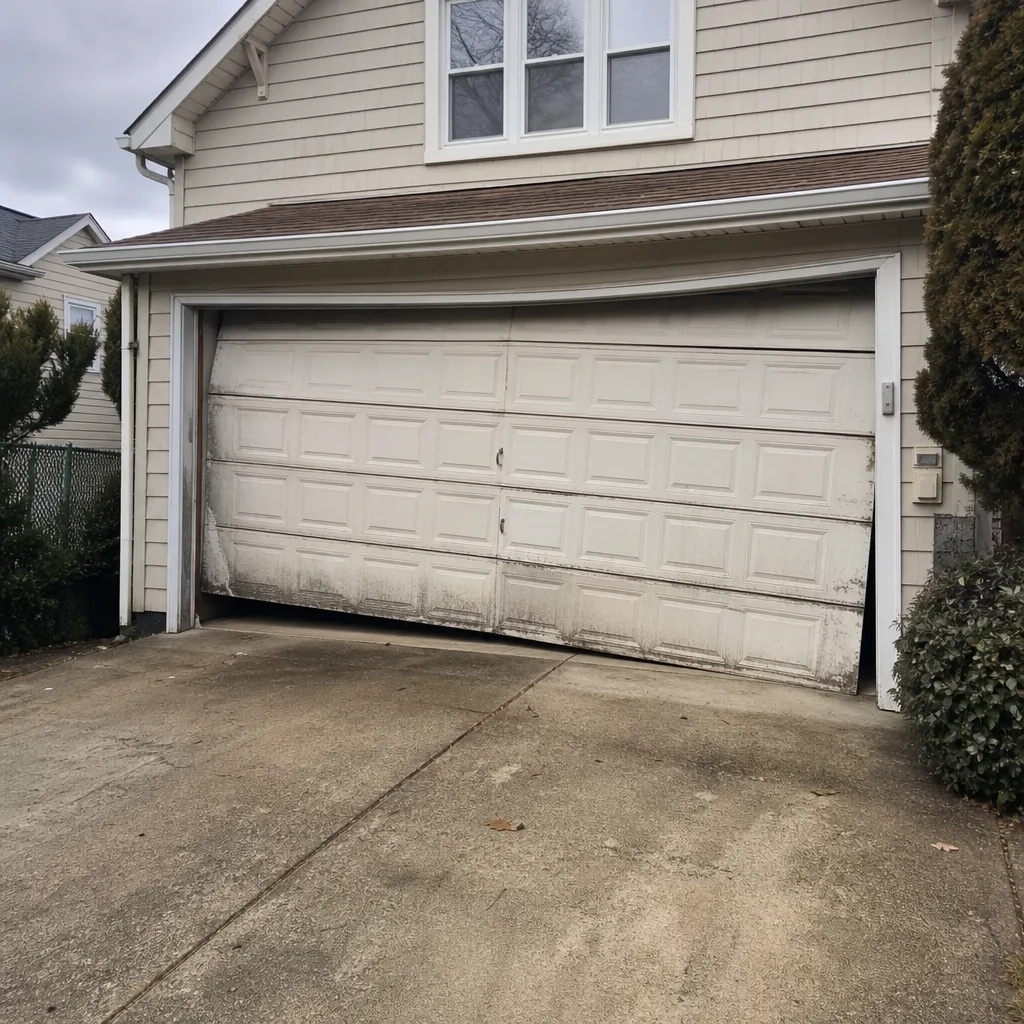 Before
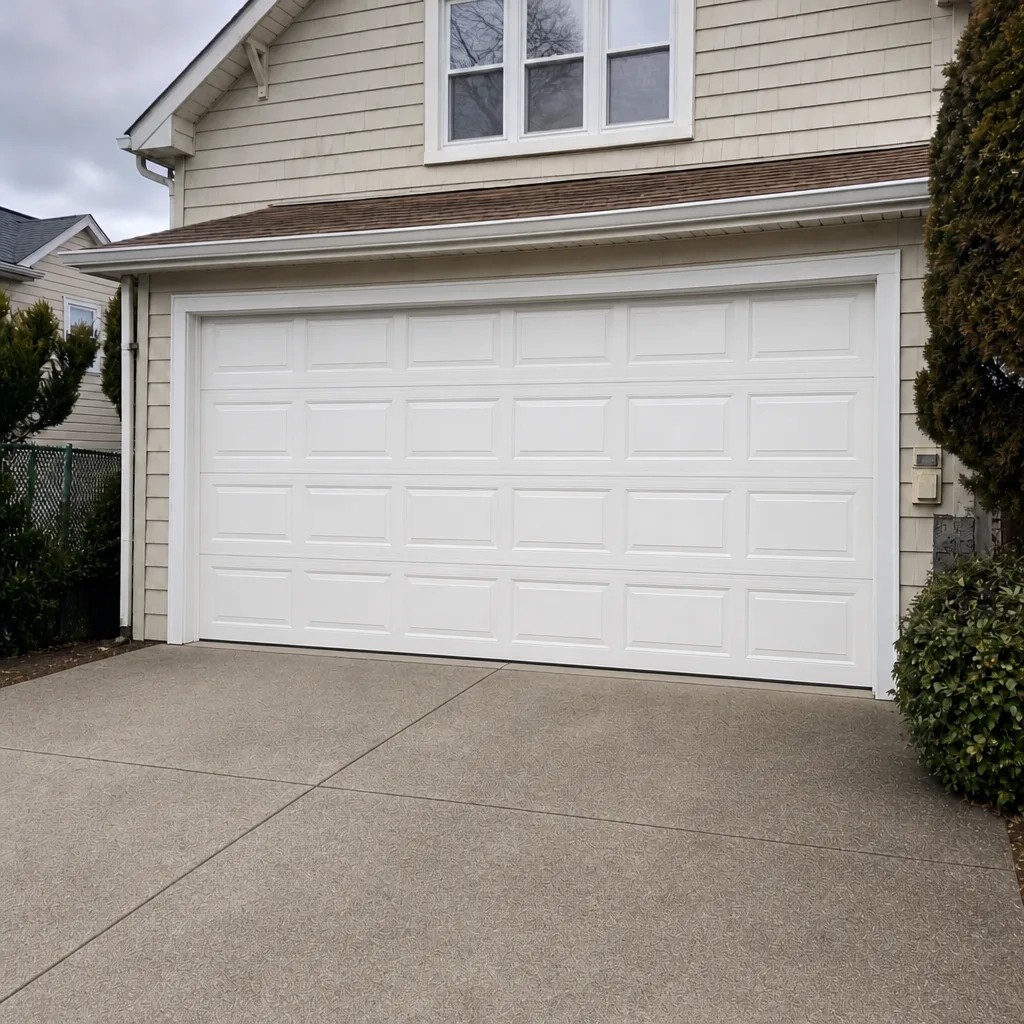 After
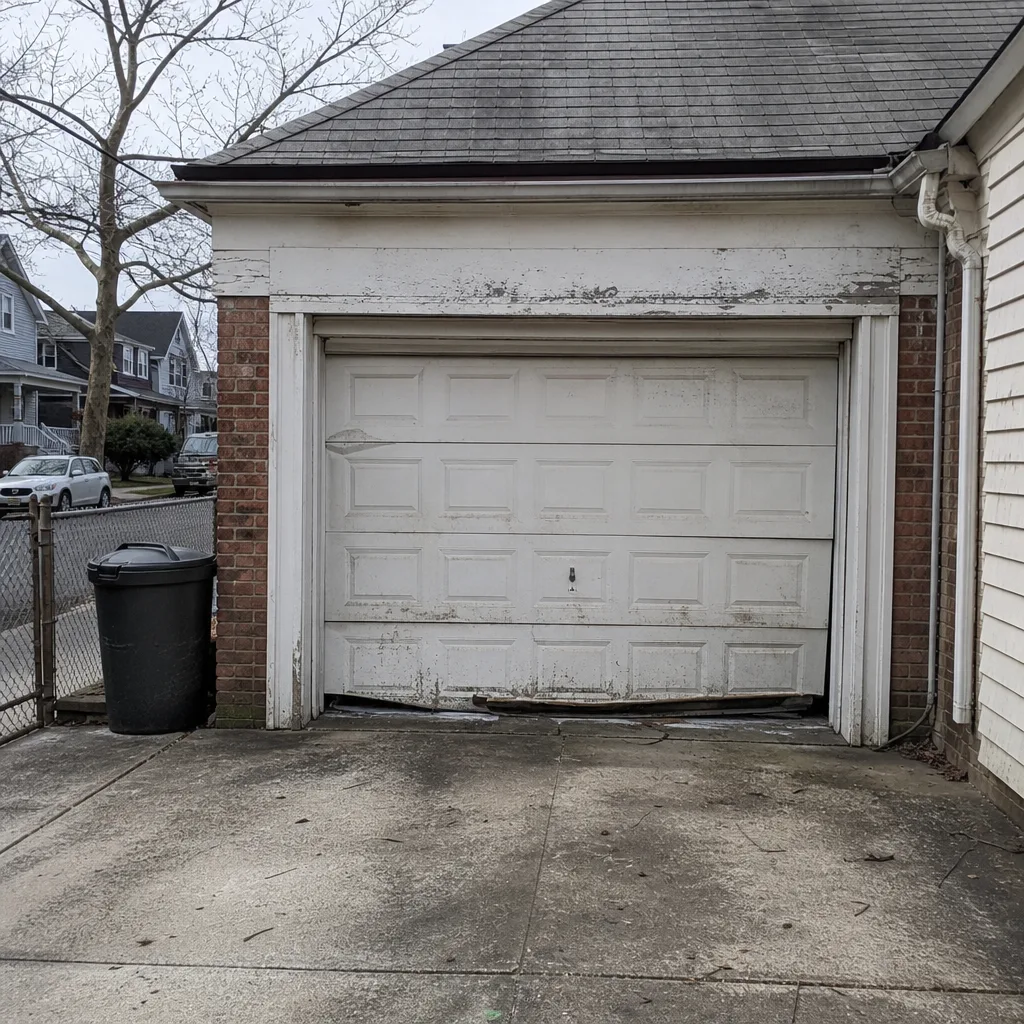 Before
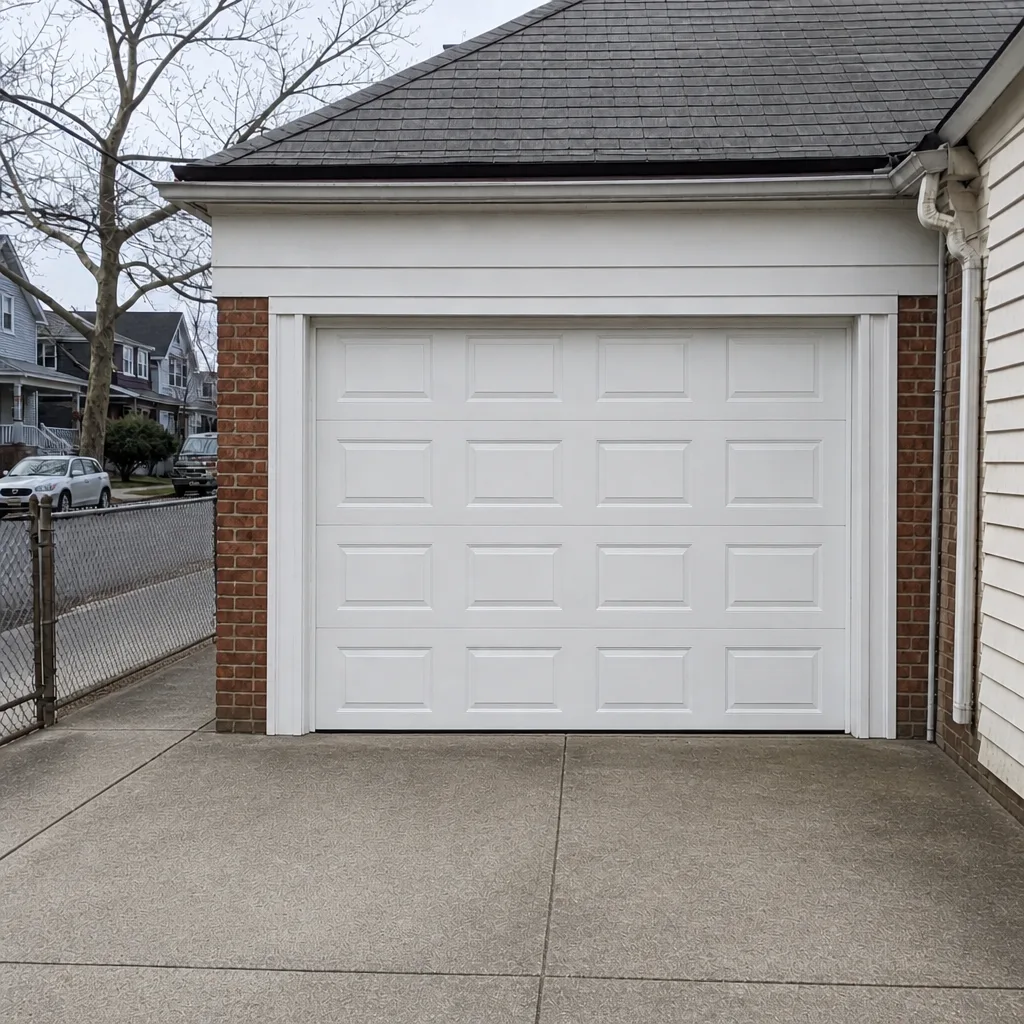 After
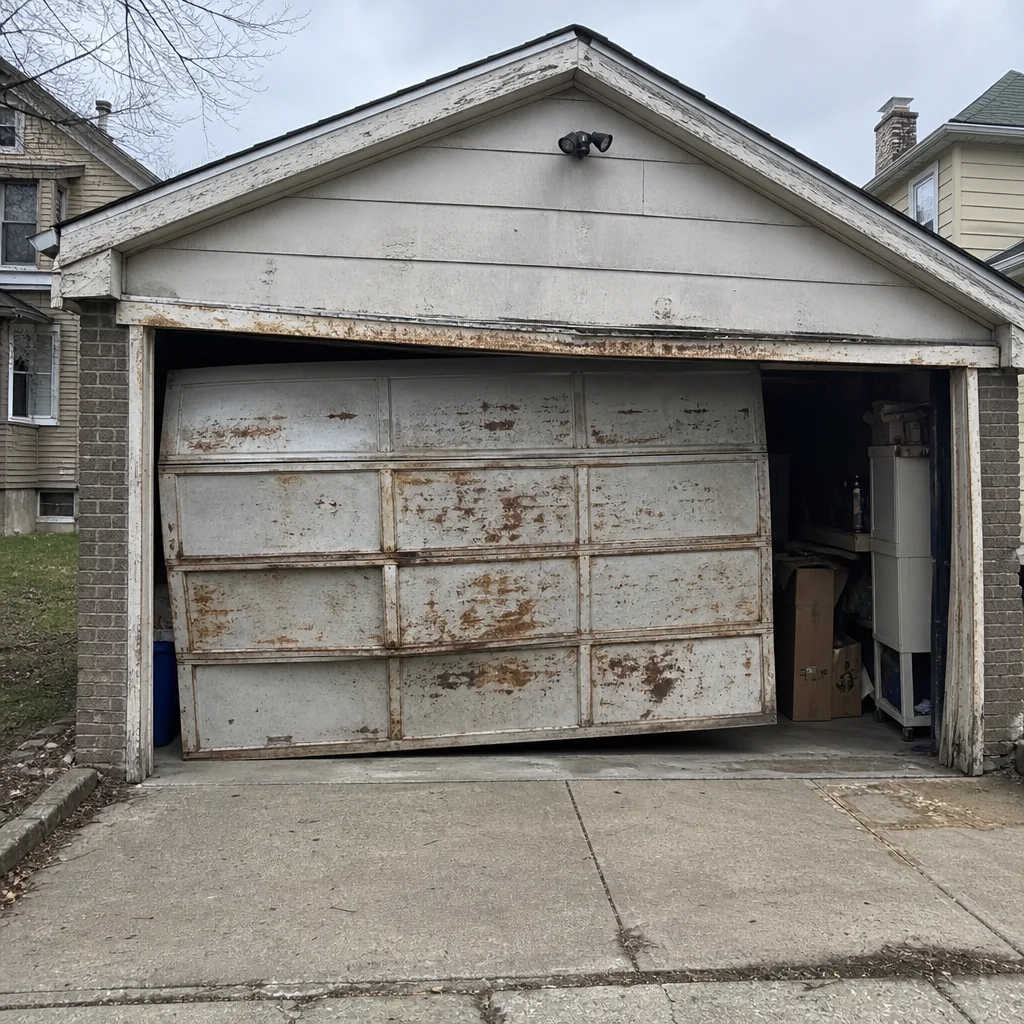 Before
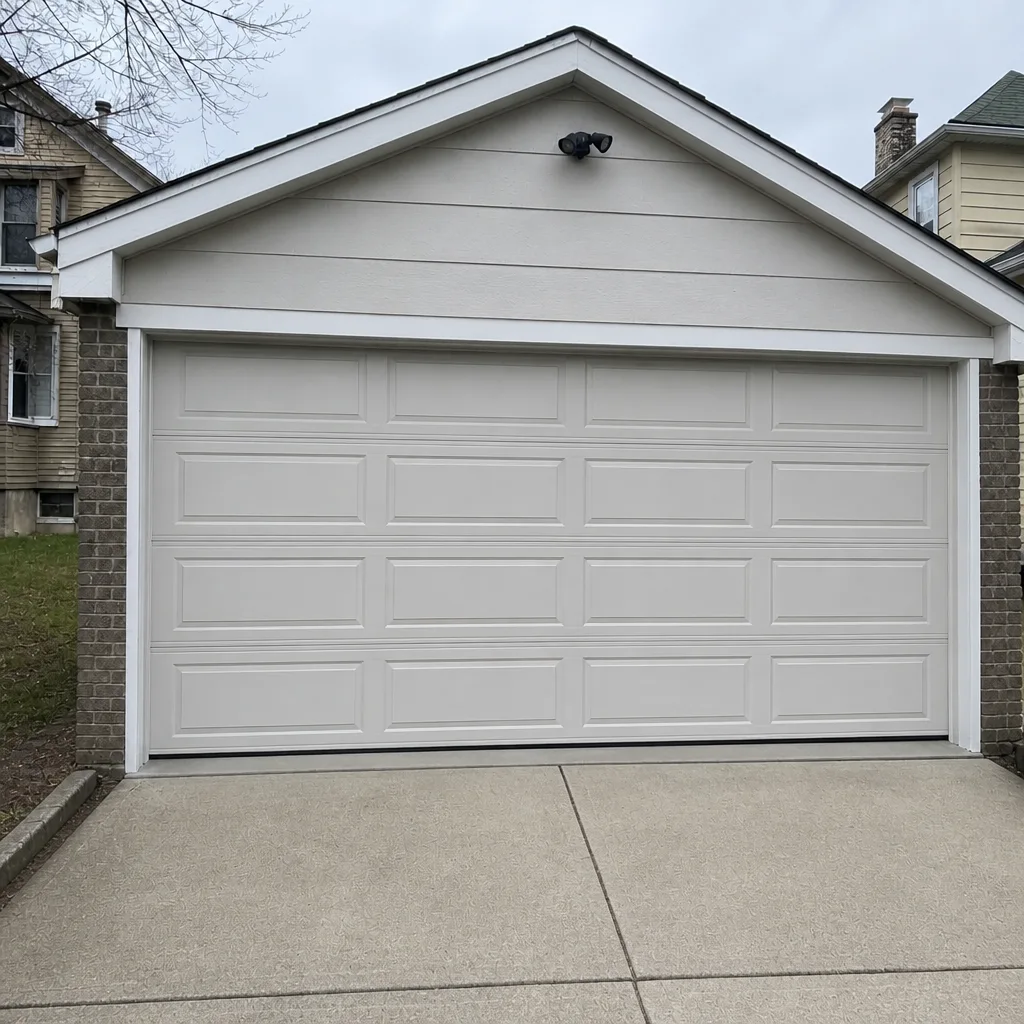 After
When to Call a Professional
Call a professional when you see a broken spring, a frayed or snapped cable, sagging on one side, a door that reverses on its own, or a door that won’t move at all. Call also when you hear popping or banging and you can’t place where it’s coming from. The parts involved in those cases are under high tension or control safety, and they’re not a job for a homeowner without training. Don’t try to bend a track back into shape, don’t try to adjust a spring, and don’t try to force a door that’s off balance. Garage Door Repair Astoria offers free estimates throughout Astoria: call (866) 657-1039. We answer 24/7, with fast dispatch from 7am to 7pm, Sunday through Friday. If you’re already past the warning signs and the door has stopped, our emergency garage door service covers doors that trap a car, leave the house unsecured, or block a business entrance. When the door won’t move, we do.
Frequently Asked Questions
A hesitation before the door moves is usually the earliest sign. The door is working, but the opener is doing more of the lifting than it should. That strain shortens the opener’s life, and the spring or cable at fault only gets worse. Call (866) 657-1039 for an exact quote; estimates are free.
On a torsion spring, look for a visible gap in the coil above the door; on an extension spring, look for stretched or uneven coils. A door that won’t lift, or that lifts only a foot or so and stops, is a common sign the spring has given way. Don’t force it. Call us and we’ll take a look and quote the repair.
It depends on the noise. A repeating pop, a bang, or a grinding sound that’s gotten louder is a schedule-now call and worth stopping the door over. Squealing and light rattling are usually a sign that rollers or hinges need attention and can be scheduled. If you can’t tell which one it is, call (866) 657-1039 and describe the sound.
No. Springs and cables are under high tension and can release suddenly, and a mistake there is serious. A trained technician should handle anything involving a spring, cable, or the shaft they run on. Our crews do spring and cable repair in Astoria and will quote the work before it starts.
Cold thickens lubricant and shrinks metal, so worn rollers, a slightly binding door, and a weakened spring show their symptoms more clearly in cold weather. A door that jerks or grinds only in the cold is telling you the moving parts are worn. That’s worth having looked at before the next cold spell.
Often not, though it can be. The opener may have a stripped gear or a broken drive, or the door may be bound up and the opener is trying to overcome a mechanical problem. We diagnose the door and the opener together before recommending a repair or a replacement, so you’re not paying for a new opener the door doesn’t need. Call (866) 657-1039 for a free estimate.
Every repair is quoted per job on a written estimate, and the written price is the price you pay. We don’t give a phone number and then change it once the door is opened up. Call (866) 657-1039 for an exact quote; estimates are free. If you’re wondering whether repair or replacement makes more sense for a door on its way out, garage door repair is the place to start.
Yes. We provide emergency garage door service for doors that trap a car, leave the home unsecured, or block a business entrance. Call (866) 657-1039. We answer 24/7. Fast dispatch from 7am to 7pm, Sunday through Friday. A call outside dispatch hours is booked into the next opening, Sunday through Friday, 7am to 7pm.
The Bottom Line
Warning signs on a garage door aren’t subtle, but they’re easy to explain away until the door quits at the wrong moment. The sounds, the movement, and the visual signs on springs, cables, and rollers each point to a specific part, and that part is usually on a predictable path toward failing. A broken spring or a frayed cable is a stop-and-call. A hesitation, a squeal, or an intermittent glitch is a schedule-soon. The earlier you make that call in Astoria, the smaller the repair tends to be. If you take one thing away from this guide, take the two-second hesitation seriously. The motor’s been telling you for weeks.
When you’re ready to have it looked at, Garage Door Repair Astoria is the place to start, and you can reach the team at (866) 657-1039 for a free estimate. Our technicians have up to 9 years of experience, and we work on the brand you already have.
Written by the team at Garage Door Repair Astoria.